THE ADVENTURE COLLECTIVE® · Independent discovery and booking for outdoor travel

Taste Hanoi one alley at a time on a private 4-hour walking tour through the Old Quarter, ending with the adrenaline of Train Street. Savor phở, bún chả, egg coffee and family-run kitchens while learning the neighborhood’s history.
Taste Hanoi one alley at a time on a private 4-hour walking tour through the Old Quarter, ending with the adrenaline of Train Street. Savor phở, bún chả, egg coffee and family-run kitchens while learning the neighborhood’s history.
You step from a narrow alley into a corridor of sound: sizzling woks, the clack of plastic stools, and the distant rumble of rails threading the city. The Old Quarter presses in around you—streets named for the goods once sold there, shutters propped open to reveal family kitchens where recipes pass from generation to generation.
Verified experiences and guided adventures in the surrounding area.
Operated by Jenny from the blog · Hanoi, Hanoi
You step from a narrow alley into a corridor of sound: sizzling woks, the clack of plastic stools, and the distant rumble of rails threading the city. The Old Quarter presses in around you—streets named for the goods once sold there, shutters propped open to reveal family kitchens where recipes pass from generation to generation.
Walks through the neighborhood read like living history. The 36 ancient craft streets trace Hanoi’s merchant past while French-colonial architecture and the railway—built in the early 1900s—speak to layers of city-making. Geologically, you’re on the Red River delta’s flat, alluvial plain; the river’s presence has long shaped trade routes and food culture, daring rice and fish markets to set the rhythm of daily life.
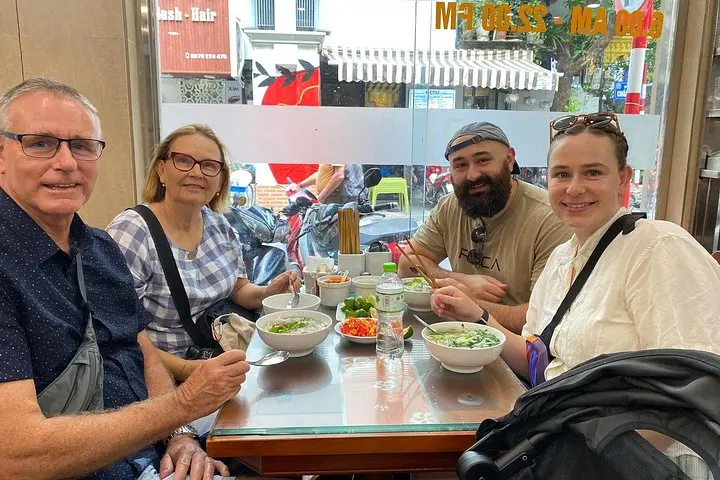
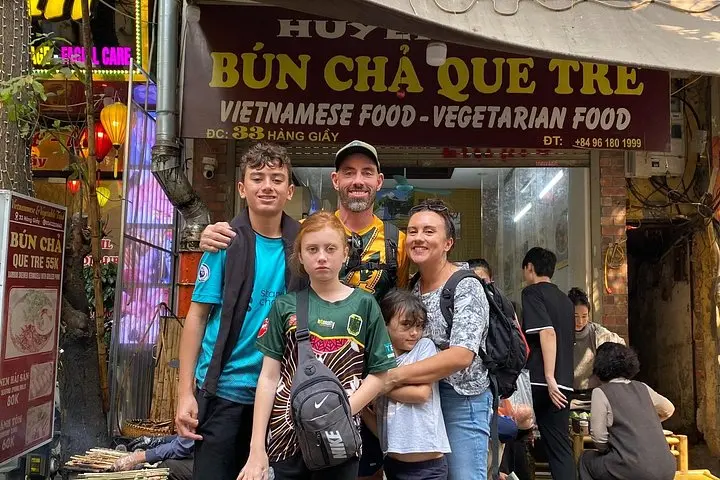
Culinary stops showcase phở, bún chả, bánh mì, nem rán, and Hanoi’s famous cà phê trứng—each bite tied to family stories and local techniques. The Train Street segment is kinetic: trains glide inches from cafe tables, compressing urban life into a single thrilling moment. Expect close quarters, quick seating, and hands-on service.
Practical guidance: choose the morning or mid-afternoon departure to avoid mid-day heat; bring small-denomination VND for local vendors; wear closed-toe shoes for slick sidewalks; and keep personal items secure near the tracks. The pace is easy—four hours of mostly flat walking with multiple short stops for tastings and photo opportunities. This is a sensory, social introduction to Hanoi for curious travelers who prefer local detail over guidebook lists.
Yes—this listing is a private tour, booked per group with a dedicated guide and flexible pacing.
Yes—the menu can be adjusted to meet dietary needs if you notify the operator when booking.
Train schedules vary; the visit targets known pass times but a passing train cannot be guaranteed—your guide times the stop when possible.
Meeting details are provided at booking; the Old Quarter has narrow alleys and uneven paths—stroller access is possible but not ideal for those with severe mobility issues.
Jenny from the blog operates guided outdoor trips and adventures with an emphasis on safety, stewardship, and memorable experiences.

You step from a narrow alley into a corridor of sound: sizzling woks, the clack of plastic stools, and the distant rumble of rails threading the city. The Old Quarter presses in around you—streets named for the goods once sold there, shutters propped open to reveal family kitchens where recipes pass from generation to generation.
You step from a narrow alley into a corridor of sound: sizzling woks, the clack of plastic stools, and the distant rumble of rails threading the city. The Old Quarter presses in around you—streets named for the goods once sold there, shutters propped open to reveal family kitchens where recipes pass from generation to generation.
Walks through the neighborhood read like living history. The 36 ancient craft streets trace Hanoi’s merchant past while French-colonial architecture and the railway—built in the early 1900s—speak to layers of city-making. Geologically, you’re on the Red River delta’s flat, alluvial plain; the river’s presence has long shaped trade routes and food culture, daring rice and fish markets to set the rhythm of daily life.
Culinary stops showcase phở, bún chả, bánh mì, nem rán, and Hanoi’s famous cà phê trứng—each bite tied to family stories and local techniques. The Train Street segment is kinetic: trains glide inches from cafe tables, compressing urban life into a single thrilling moment. Expect close quarters, quick seating, and hands-on service.
Practical guidance: choose the morning or mid-afternoon departure to avoid mid-day heat; bring small-denomination VND for local vendors; wear closed-toe shoes for slick sidewalks; and keep personal items secure near the tracks. The pace is easy—four hours of mostly flat walking with multiple short stops for tastings and photo opportunities. This is a sensory, social introduction to Hanoi for curious travelers who prefer local detail over guidebook lists.