THE ADVENTURE COLLECTIVE® · Independent discovery and booking for outdoor travel

Explore Hanoi’s Old Quarter on a 3–4 hour walking food tour that connects you to family-run stalls, egg coffee bars, and charcoal-grilled street fare. This local-led route balances cultural history with practical tips so you can taste confidently and move comfortably through the city’s busiest lanes.
Explore Hanoi’s Old Quarter on a 3–4 hour walking food tour that connects you to family-run stalls, egg coffee bars, and charcoal-grilled street fare. This local-led route balances cultural history with practical tips so you can taste confidently and move comfortably through the city’s busiest lanes.
The clatter of bowls and the hiss of woks meet you as you step from a narrow alley into the Old Quarter’s bustle: vendors call, a mop of steam rises from a simmering pot, and a bicycle piled with greens threads between pedestrians. This three- to four-hour walking tour runs through streets where food is the public theater—egg coffee poured with care, pho ladled into waiting bowls, and skewers grilled over charcoal on the curb.
Verified experiences and guided adventures in the surrounding area.
Operated by Hanoi Street Food Tours · Hanoi, Hanoi
The clatter of bowls and the hiss of woks meet you as you step from a narrow alley into the Old Quarter’s bustle: vendors call, a mop of steam rises from a simmering pot, and a bicycle piled with greens threads between pedestrians. This three- to four-hour walking tour runs through streets where food is the public theater—egg coffee poured with care, pho ladled into waiting bowls, and skewers grilled over charcoal on the curb.
Hanoi’s Old Quarter grew from a medieval cluster of craft guild streets; each lane once specialized in a trade and that legacy survives in foodways passed down through families. The city’s geography—crisscrossing lakes and the nearby Red River—shaped access to fish, rice, and herbs that anchor local dishes. Expect a mix of French colonial facades and humid urban lanes where the city’s tempo presses against your pace.
Practically, this is a low‑impact urban walk with frequent stops for tastings; it’s ideal for curious eaters and culture-focused travelers. Go mid-morning or early evening to avoid the hottest hours, bring small bills for extra bites, and flag dietary restrictions in advance—many vendors can adapt dishes but cross-contact is common. Wear supportive shoes for uneven sidewalks, carry a refillable bottle to manage Hanoi’s heat, and be ready to taste saltier, spicier versions of dishes than you might expect. The guide will point out signature items—egg coffee, bun cha, banh mi—and offer cultural context so every bite feels like a doorway into Hanoi’s everyday life.
Meet at 78a Tran Nhat Duat Street in the Old Quarter; arrive 15–20 minutes early to show your voucher and check in.
Yes—advise restrictions at booking and remind your guide; vendors may still use shared utensils and oils, so strict allergies require caution.
Yes—the pace is relaxed with frequent stops, but consider mobility limits for uneven sidewalks and street crossings.
Tours are typically led in English by local guides; confirm language availability when booking.
Hanoi Street Food Tours operates guided outdoor trips and adventures with an emphasis on safety, stewardship, and memorable experiences.
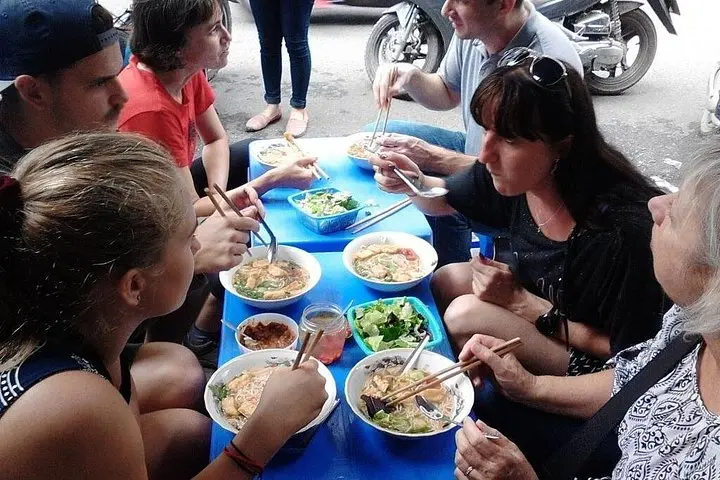
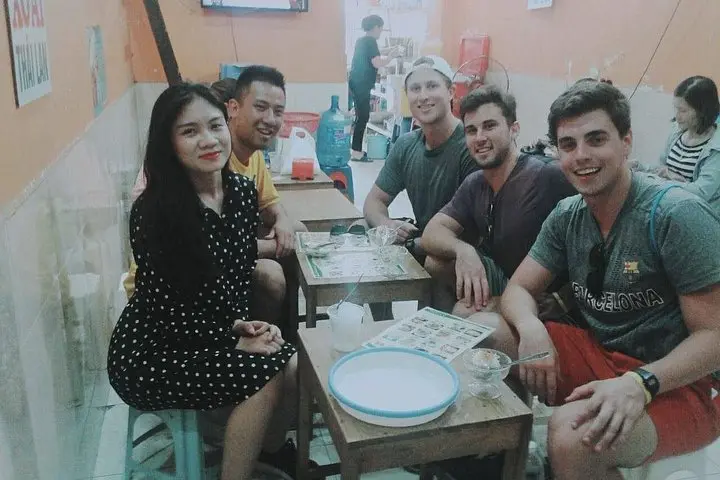
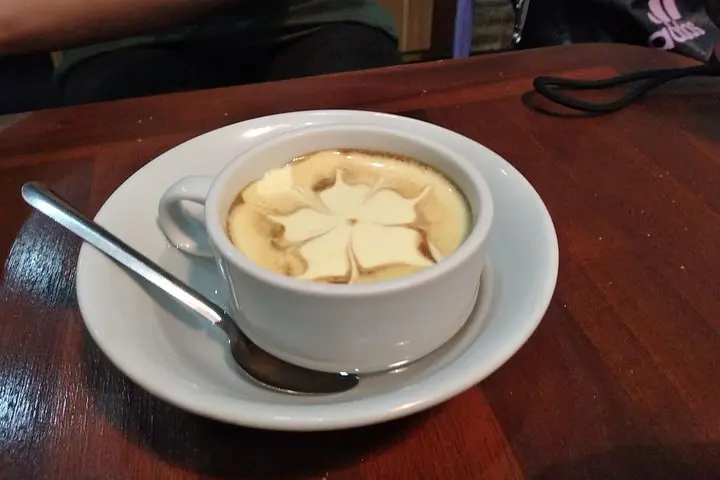
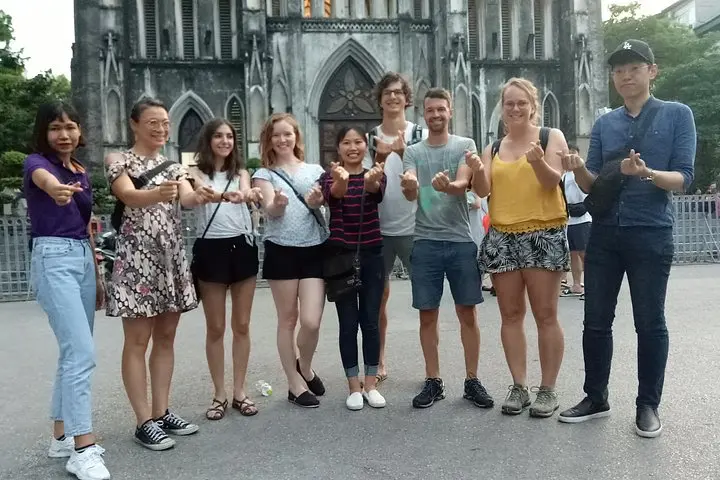
The clatter of bowls and the hiss of woks meet you as you step from a narrow alley into the Old Quarter’s bustle: vendors call, a mop of steam rises from a simmering pot, and a bicycle piled with greens threads between pedestrians. This three- to four-hour walking tour runs through streets where food is the public theater—egg coffee poured with care, pho ladled into waiting bowls, and skewers grilled over charcoal on the curb.
The clatter of bowls and the hiss of woks meet you as you step from a narrow alley into the Old Quarter’s bustle: vendors call, a mop of steam rises from a simmering pot, and a bicycle piled with greens threads between pedestrians. This three- to four-hour walking tour runs through streets where food is the public theater—egg coffee poured with care, pho ladled into waiting bowls, and skewers grilled over charcoal on the curb.
Hanoi’s Old Quarter grew from a medieval cluster of craft guild streets; each lane once specialized in a trade and that legacy survives in foodways passed down through families. The city’s geography—crisscrossing lakes and the nearby Red River—shaped access to fish, rice, and herbs that anchor local dishes. Expect a mix of French colonial facades and humid urban lanes where the city’s tempo presses against your pace.
Practically, this is a low‑impact urban walk with frequent stops for tastings; it’s ideal for curious eaters and culture-focused travelers. Go mid-morning or early evening to avoid the hottest hours, bring small bills for extra bites, and flag dietary restrictions in advance—many vendors can adapt dishes but cross-contact is common. Wear supportive shoes for uneven sidewalks, carry a refillable bottle to manage Hanoi’s heat, and be ready to taste saltier, spicier versions of dishes than you might expect. The guide will point out signature items—egg coffee, bun cha, banh mi—and offer cultural context so every bite feels like a doorway into Hanoi’s everyday life.