THE ADVENTURE COLLECTIVE® · Independent discovery and booking for outdoor travel

A compact three-day loop from Hanoi that threads the Dong Van Karst Plateau, climbs the Ma Pi Leng Pass, and introduces travelers to Hmong and Dao highland life. Expect dramatic cliffs, river canyons, short treks, and homestays—ideal for travelers with moderate fitness who want a concentrated northern Vietnam adventure.
A compact three-day loop from Hanoi that threads the Dong Van Karst Plateau, climbs the Ma Pi Leng Pass, and introduces travelers to Hmong and Dao highland life. Expect dramatic cliffs, river canyons, short treks, and homestays—ideal for travelers with moderate fitness who want a concentrated northern Vietnam adventure.
Night buses slide out of Hanoi and by dawn you’re at the ragged edge of Vietnam’s northern frontier, where limestone teeth thrust skyward and the Nho Que River dares you to look down. The first day eases you into rolling karst fields and twin-peaked ridgelines; by day two the road climbs Ma Pi Leng, the “King of Passes,” revealing a vertiginous corridor of cliffs and a river threaded like dark silk through the valley below.
Verified experiences and guided adventures in the surrounding area.
Operated by Insight Vietnam · Ha Giang, Ha Giang Province
Night buses slide out of Hanoi and by dawn you’re at the ragged edge of Vietnam’s northern frontier, where limestone teeth thrust skyward and the Nho Que River dares you to look down. The first day eases you into rolling karst fields and twin-peaked ridgelines; by day two the road climbs Ma Pi Leng, the “King of Passes,” revealing a vertiginous corridor of cliffs and a river threaded like dark silk through the valley below.
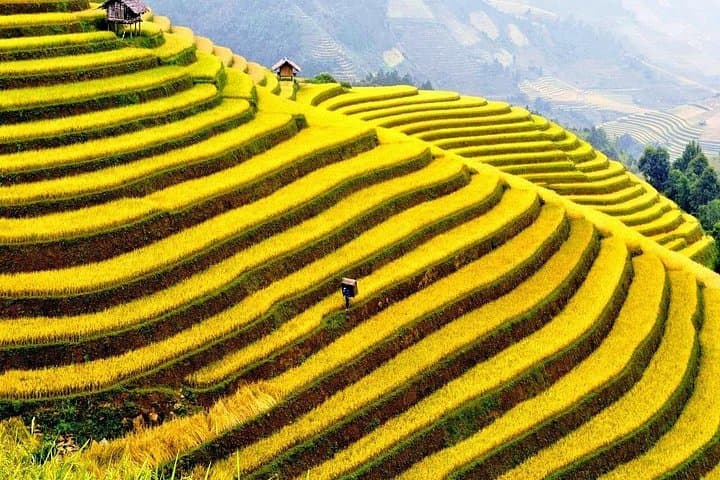
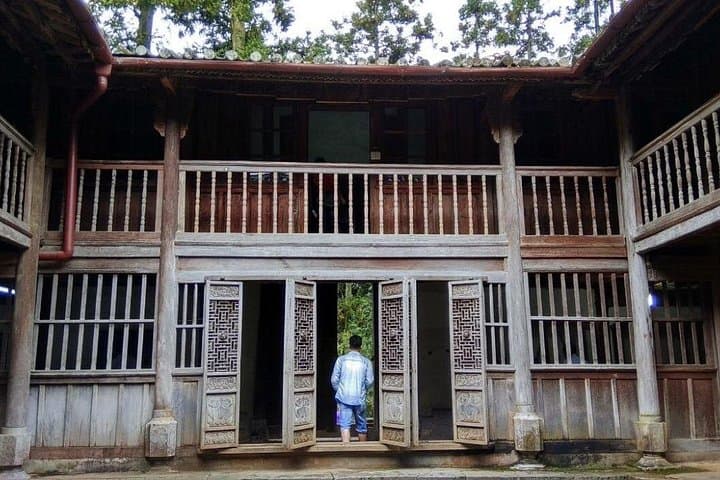
This region sits on the Dong Van Karst Plateau—a UNESCO-recognized geoheritage area formed by uplifted limestone and millions of years of erosion. Hill-tribe communities (Hmong, Dao, Tay) maintain textile, agricultural, and ceremonial traditions; the Hmong King’s Palace in Sa Phin is a rare stone-and-wood monument to 20th-century local governance. Villages are functional and proud: terraces, looms, and markets make the human landscape as compelling as the geology.
Practical guide: expect long drives on narrow mountain roads, a mix of paved and coarse surfaces, and short day treks like the Sky Path with modest elevation changes. Pack layered windproof clothing, sturdy shoes for uneven trails, sun protection, and a small daypack. Hydrate frequently; mornings are cool, afternoons can be hot and windy. Accommodation alternates between simple hotels and homestays—bring a small travel towel and modest gifts for hosts. If you want the best light for photos and to avoid traffic on the pass, aim for sunrise viewpoints and mid-afternoon breaks. Respect local customs, keep to marked trails, and leave no trace—this highland is fragile and worth protecting.
No—most tours provide a driver ('easy rider') and options to be a passenger; basic motorbike experience is helpful but not required.
Yes, the itinerary includes breakfasts, lunches, and some dinners—local food is served and dietary needs can usually be accommodated if requested in advance.
Altitudes reach around 1,500–2,000 m on some passes; most travelers experience mild effects at most—stay hydrated and rest if you feel fatigued.
Nights alternate between simple hotels and functional homestays; expect basic comforts, shared facilities in rural homestays, and warm local hospitality.
Insight Vietnam operates guided outdoor trips and adventures with an emphasis on safety, stewardship, and memorable experiences.
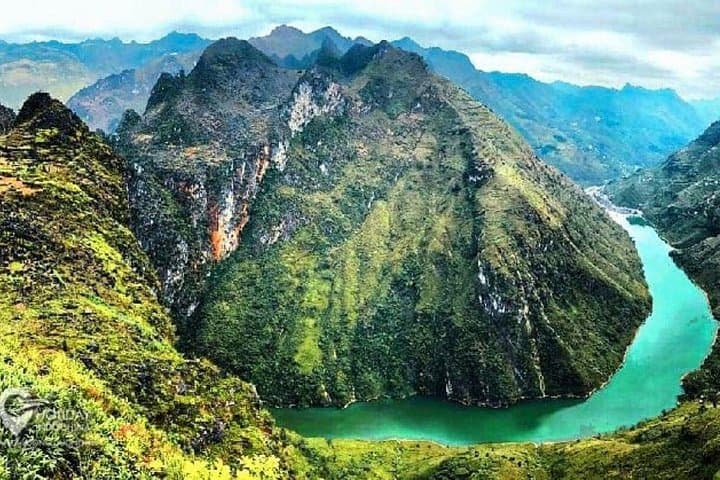

Night buses slide out of Hanoi and by dawn you’re at the ragged edge of Vietnam’s northern frontier, where limestone teeth thrust skyward and the Nho Que River dares you to look down. The first day eases you into rolling karst fields and twin-peaked ridgelines; by day two the road climbs Ma Pi Leng, the “King of Passes,” revealing a vertiginous corridor of cliffs and a river threaded like dark silk through the valley below.
Night buses slide out of Hanoi and by dawn you’re at the ragged edge of Vietnam’s northern frontier, where limestone teeth thrust skyward and the Nho Que River dares you to look down. The first day eases you into rolling karst fields and twin-peaked ridgelines; by day two the road climbs Ma Pi Leng, the “King of Passes,” revealing a vertiginous corridor of cliffs and a river threaded like dark silk through the valley below.
This region sits on the Dong Van Karst Plateau—a UNESCO-recognized geoheritage area formed by uplifted limestone and millions of years of erosion. Hill-tribe communities (Hmong, Dao, Tay) maintain textile, agricultural, and ceremonial traditions; the Hmong King’s Palace in Sa Phin is a rare stone-and-wood monument to 20th-century local governance. Villages are functional and proud: terraces, looms, and markets make the human landscape as compelling as the geology.
Practical guide: expect long drives on narrow mountain roads, a mix of paved and coarse surfaces, and short day treks like the Sky Path with modest elevation changes. Pack layered windproof clothing, sturdy shoes for uneven trails, sun protection, and a small daypack. Hydrate frequently; mornings are cool, afternoons can be hot and windy. Accommodation alternates between simple hotels and homestays—bring a small travel towel and modest gifts for hosts. If you want the best light for photos and to avoid traffic on the pass, aim for sunrise viewpoints and mid-afternoon breaks. Respect local customs, keep to marked trails, and leave no trace—this highland is fragile and worth protecting.