THE ADVENTURE COLLECTIVE® · Independent discovery and booking for outdoor travel

A compact four-day loop from Hanoi through Pu Luong’s terraces to Ninh Binh’s karst rivers—combining village treks, cycling, a bamboo raft paddle and cultural exchanges. Ideal for travelers who want active days and hands-on cultural experiences.
A compact four-day loop from Hanoi through Pu Luong’s terraces to Ninh Binh’s karst rivers—combining village treks, cycling, a bamboo raft paddle and cultural exchanges. Ideal for travelers who want active days and hands-on cultural experiences.
You step out of Hanoi’s Old Quarter before dawn and watch the city give way to flat rice paddies, then to folded ridgelines and limestone teeth that puncture the horizon. By late morning the bus drops you into Pu Luong’s green hollows; streams push at bamboo rafts and terraces rise like staircases carved by generations.
Verified experiences and guided adventures in the surrounding area.
Operated by Divi Travel · Pu Luong, Thanh Hoa
You step out of Hanoi’s Old Quarter before dawn and watch the city give way to flat rice paddies, then to folded ridgelines and limestone teeth that puncture the horizon. By late morning the bus drops you into Pu Luong’s green hollows; streams push at bamboo rafts and terraces rise like staircases carved by generations.
This four-day route pairs Pu Luong Nature Reserve—known for its steep limestone slopes and cultivated rice benches—with the karst river valleys of Ninh Binh, where Hoa Lu served as Vietnam’s first capital (968–1010). Geology here is blunt and ancient: limestone towers, river-cut caves and sinkholes created over millions of years. Culture threads through the landscape—Thai stilt houses, hand looms for silk, buffalo carts and home-cooked meals that map a living agricultural calendar.
Expect varied days: 3–6 hours of walking on uneven trails and village tracks, short steep sections and steps (Mua Cave climb is roughly 500 steps), plus easy road cycling loops of 10–20 km and calm bamboo rafting on Cham Stream and Trang An. Temperatures climb quickly; streams and waterfalls offer natural rest stops.
Practical edge: pack grippy footwear, a light rain jacket, and insect repellent; carry local cash for village purchases and a small daypack for water and layers. Aim for shoulder seasons (Oct–Dec, Feb–Apr) to avoid heavy monsoon and the summer heat. Move deliberately—respect local customs, tread lightly on terraces and let the rivers and farms set the pace.
Moderate fitness—expect 3–6 hours of mixed walking per day on uneven trails, short steep climbs and a few cycling sections of 10–20 km.
Quick-dry layers, a rain jacket, grippy shoes, hat, sunscreen, insect repellent and local cash; bring a small first-aid kit and reusable water bottle.
Meals included are prepared locally—vegetarian options are generally available if requested in advance; bring snacks if you have strict dietary needs.
Many pools are suitable for a quick swim, but check safety on-site and avoid strong currents after heavy rain; guides will advise where it’s safe.
Divi Travel operates guided outdoor trips and adventures with an emphasis on safety, stewardship, and memorable experiences.

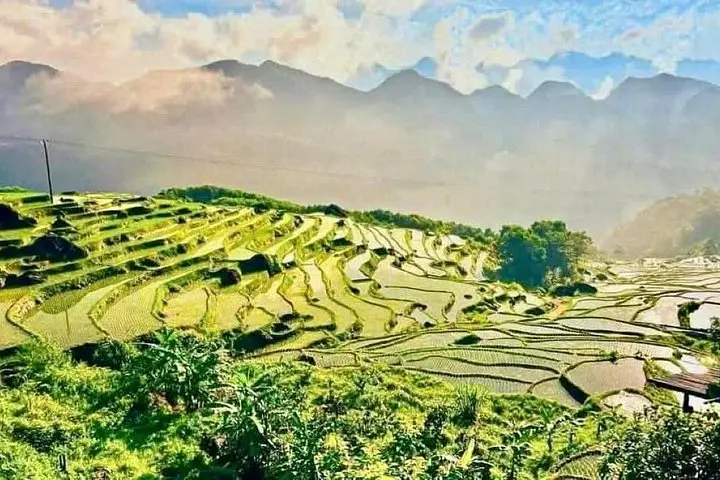
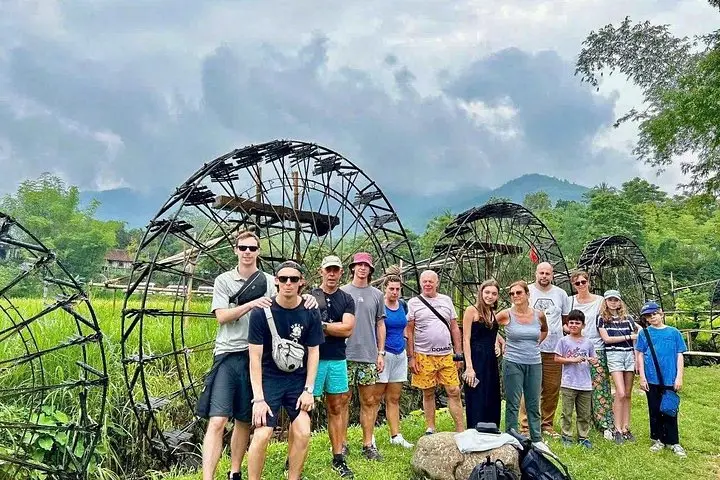

You step out of Hanoi’s Old Quarter before dawn and watch the city give way to flat rice paddies, then to folded ridgelines and limestone teeth that puncture the horizon. By late morning the bus drops you into Pu Luong’s green hollows; streams push at bamboo rafts and terraces rise like staircases carved by generations.
You step out of Hanoi’s Old Quarter before dawn and watch the city give way to flat rice paddies, then to folded ridgelines and limestone teeth that puncture the horizon. By late morning the bus drops you into Pu Luong’s green hollows; streams push at bamboo rafts and terraces rise like staircases carved by generations.
This four-day route pairs Pu Luong Nature Reserve—known for its steep limestone slopes and cultivated rice benches—with the karst river valleys of Ninh Binh, where Hoa Lu served as Vietnam’s first capital (968–1010). Geology here is blunt and ancient: limestone towers, river-cut caves and sinkholes created over millions of years. Culture threads through the landscape—Thai stilt houses, hand looms for silk, buffalo carts and home-cooked meals that map a living agricultural calendar.
Expect varied days: 3–6 hours of walking on uneven trails and village tracks, short steep sections and steps (Mua Cave climb is roughly 500 steps), plus easy road cycling loops of 10–20 km and calm bamboo rafting on Cham Stream and Trang An. Temperatures climb quickly; streams and waterfalls offer natural rest stops.
Practical edge: pack grippy footwear, a light rain jacket, and insect repellent; carry local cash for village purchases and a small daypack for water and layers. Aim for shoulder seasons (Oct–Dec, Feb–Apr) to avoid heavy monsoon and the summer heat. Move deliberately—respect local customs, tread lightly on terraces and let the rivers and farms set the pace.