THE ADVENTURE COLLECTIVE® · Independent discovery and booking for outdoor travel

Walk the narrow alleys of Hanoi’s Old Quarter, taste seven local specialties and wait trackside for the rumble of Train Street. This three-hour walk pairs culinary discovery with a close-up look at daily life along the rails.
Walk the narrow alleys of Hanoi’s Old Quarter, taste seven local specialties and wait trackside for the rumble of Train Street. This three-hour walk pairs culinary discovery with a close-up look at daily life along the rails.
You step off the scooter and into an alley barely wider than the tracks, steam from noodle vats rising like a warning. Vendors arrange bowls and baguettes on plastic stools; a local guide points out a family-run stall where pho broth has been simmering all morning. The rails cut a straight line through the noise and commerce, and every few hours the train barges through, flattening conversation into a single held breath.
Verified experiences and guided adventures in the surrounding area.
Operated by My Holiday Vietnam · Hanoi, Hanoi
You step off the scooter and into an alley barely wider than the tracks, steam from noodle vats rising like a warning. Vendors arrange bowls and baguettes on plastic stools; a local guide points out a family-run stall where pho broth has been simmering all morning. The rails cut a straight line through the noise and commerce, and every few hours the train barges through, flattening conversation into a single held breath.
The Old Quarter grew up as guild streets over centuries; the narrow alleys and low houses reflect trades and family-run businesses more than modern planning. The rail cutting through these lanes is a product of the colonial era, later threaded into everyday life — residents, cafés and markets adapt around the schedule. The food on this walking loop reflects Hanoi’s layered history: Pho’s clear, aromatic broth, French-era banh mì, fried rolls and steamed banh cuon shared communally along the trackside.
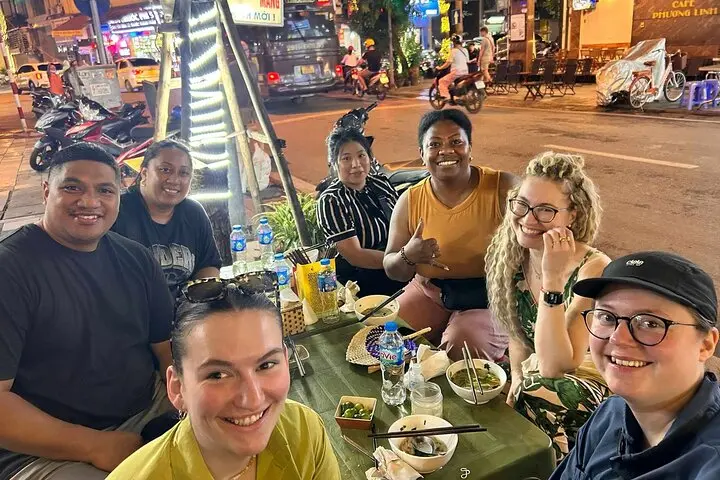
Expect about a 1.5–2 km walking loop with almost no elevation gain and multiple short stops for tastings (seven stops are typical). The experience is sensory-driven: sweet condensed milk, hot broth, the metallic click of rails. Timing matters — cooler mornings or evenings are more comfortable and increase the chance of catching a passing train.
Practical notes: bring small-denomination Vietnamese dong, wear closed-toe shoes for uneven alley surfaces, and keep a compact umbrella during the rainy season. Respect residents: stay behind barriers when asked and avoid blocking passage. This is a social, urban food walk — part culinary sampling, part cultural snapshot of Hanoi’s Old Quarter.
With a guide and by following local directions, the area is safe for tourists — the main hazard is proximity to moving trains, so heed instructions and stay clear when trains approach.
Booking is recommended for popular time slots, especially evenings; small-group tours can fill quickly on weekends.
Guides can often point out vegetarian options, but many traditional stops feature meat and fish; notify the operator in advance of allergies or dietary needs.
Train schedules vary; tours aim for known pass times but trains can be delayed or canceled — your chance is good but not guaranteed.
My Holiday Vietnam operates guided outdoor trips and adventures with an emphasis on safety, stewardship, and memorable experiences.
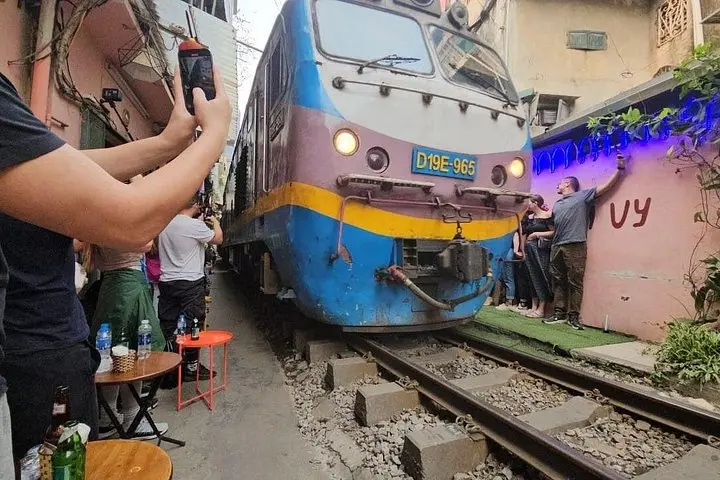
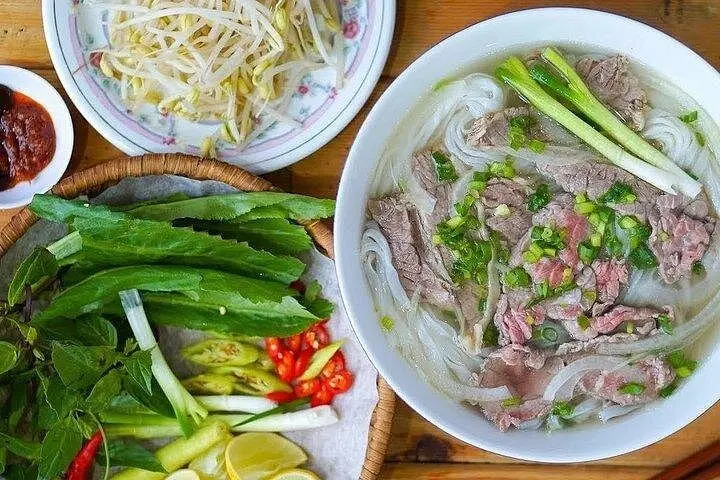
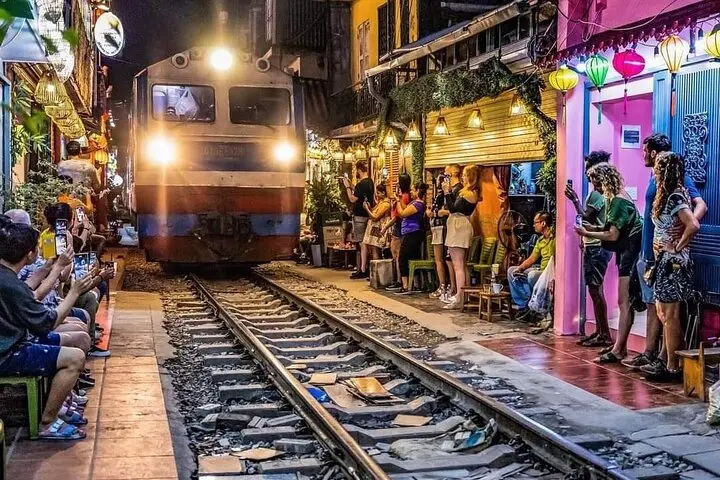
You step off the scooter and into an alley barely wider than the tracks, steam from noodle vats rising like a warning. Vendors arrange bowls and baguettes on plastic stools; a local guide points out a family-run stall where pho broth has been simmering all morning. The rails cut a straight line through the noise and commerce, and every few hours the train barges through, flattening conversation into a single held breath.
You step off the scooter and into an alley barely wider than the tracks, steam from noodle vats rising like a warning. Vendors arrange bowls and baguettes on plastic stools; a local guide points out a family-run stall where pho broth has been simmering all morning. The rails cut a straight line through the noise and commerce, and every few hours the train barges through, flattening conversation into a single held breath.
The Old Quarter grew up as guild streets over centuries; the narrow alleys and low houses reflect trades and family-run businesses more than modern planning. The rail cutting through these lanes is a product of the colonial era, later threaded into everyday life — residents, cafés and markets adapt around the schedule. The food on this walking loop reflects Hanoi’s layered history: Pho’s clear, aromatic broth, French-era banh mì, fried rolls and steamed banh cuon shared communally along the trackside.
Expect about a 1.5–2 km walking loop with almost no elevation gain and multiple short stops for tastings (seven stops are typical). The experience is sensory-driven: sweet condensed milk, hot broth, the metallic click of rails. Timing matters — cooler mornings or evenings are more comfortable and increase the chance of catching a passing train.
Practical notes: bring small-denomination Vietnamese dong, wear closed-toe shoes for uneven alley surfaces, and keep a compact umbrella during the rainy season. Respect residents: stay behind barriers when asked and avoid blocking passage. This is a social, urban food walk — part culinary sampling, part cultural snapshot of Hanoi’s Old Quarter.