THE ADVENTURE COLLECTIVE® · Independent discovery and booking for outdoor travel

Trace a 6–9 km route along the Hanthana ridgeline with a naturalist guide, panoramic views over Kandy and an optional stop at the Sri Lanka Tea Industry Museum. This moderate day-hike combines birdwatching, hill-country geology and tea-culture insights.
Trace a 6–9 km route along the Hanthana ridgeline with a naturalist guide, panoramic views over Kandy and an optional stop at the Sri Lanka Tea Industry Museum. This moderate day-hike combines birdwatching, hill-country geology and tea-culture insights.
Morning mist lifts off the slopes as you step onto the Hanthana trail: tea bushes slope away to one side, a narrow dirt track threads through mixed forest, and the ridge hums with distant bird calls. The walk rises and falls—short steep pitches give way to ridgeline walking where radio towers mark the skyline and the valley below opens toward Kandy.
Verified experiences and guided adventures in the surrounding area.
Operated by Lakpura LLC · Kandy, Central Province
Morning mist lifts off the slopes as you step onto the Hanthana trail: tea bushes slope away to one side, a narrow dirt track threads through mixed forest, and the ridge hums with distant bird calls. The walk rises and falls—short steep pitches give way to ridgeline walking where radio towers mark the skyline and the valley below opens toward Kandy.
The Hanthana range sits on Sri Lanka’s central highlands, formed from ancient Precambrian metamorphic rock shaped by long erosion. British-era tea plantations reshaped the land here; the Sri Lanka Tea Industry Museum near the route outlines how colonial estate agriculture remade both landscape and local economy. Culturally, the hills are a working environment—tea graders, smallholder farms and temple shrines appear between stands of native trees.
Expect a 6–9 km route of mixed terrain: packed soil, exposed roots, occasional rocky steps and narrow ridgewalks. The trail is bird-rich—bring binoculars—and the climb involves several hundred metres of cumulative ascent, making it a solid moderate-day trek. A local naturalist guide is typical; many operators include pickup from Kandy and a museum stop after the hike.
Practical edge: start early to avoid afternoon thunderstorms, wear grippy boots for wet root and rock sections, carry 1–2 litres of water (bottled water is often provided), and pack a lightweight rain shell. Respect trails and tea fields—stick to paths, avoid litter, and keep noise low for wildlife. The route balances easy viewpoint stretches with sharper uphill efforts, rewarding hikers with hill-country panoramas and a grounded look at Sri Lanka’s tea heritage.
The route covers roughly 6–9 km and takes about 6 hours total; expect moderate difficulty with several short steep sections and uneven terrain.
Most tours include a local naturalist guide and hotel pickup/drop-off in Kandy; confirm pickup details when booking.
Yes—many itineraries include an optional stop at the Sri Lanka Tea Industry Museum either before or after the hike for a cultural add-on.
Children in good hiking condition can do the route, but it's not recommended for travelers with spinal issues or serious mobility limitations due to uneven terrain.
Lakpura LLC operates guided outdoor trips and adventures with an emphasis on safety, stewardship, and memorable experiences.
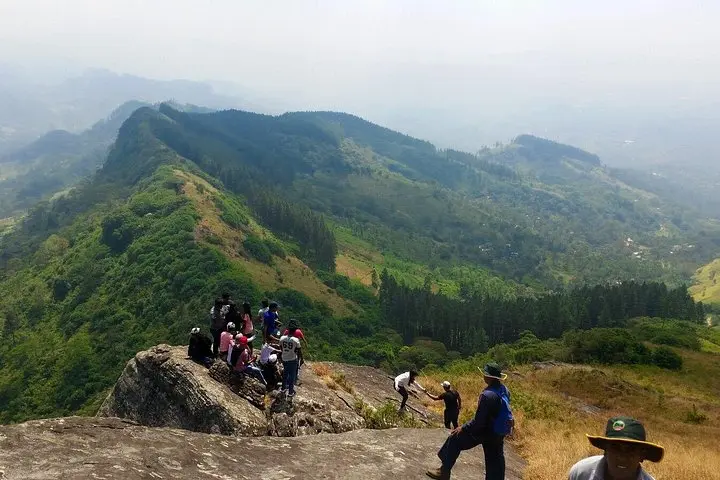
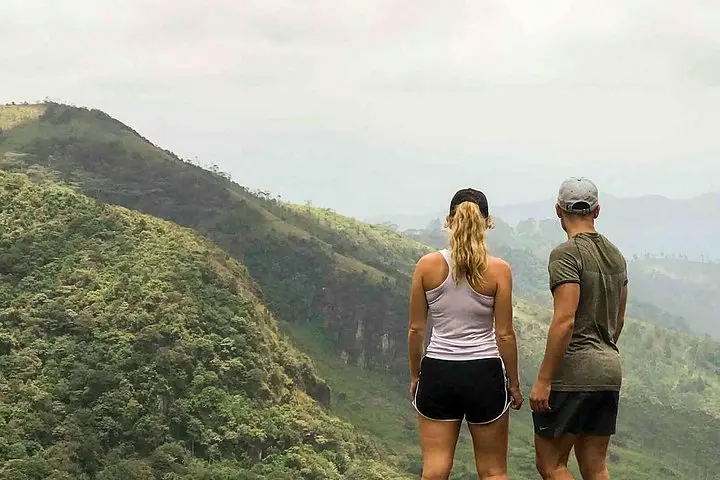
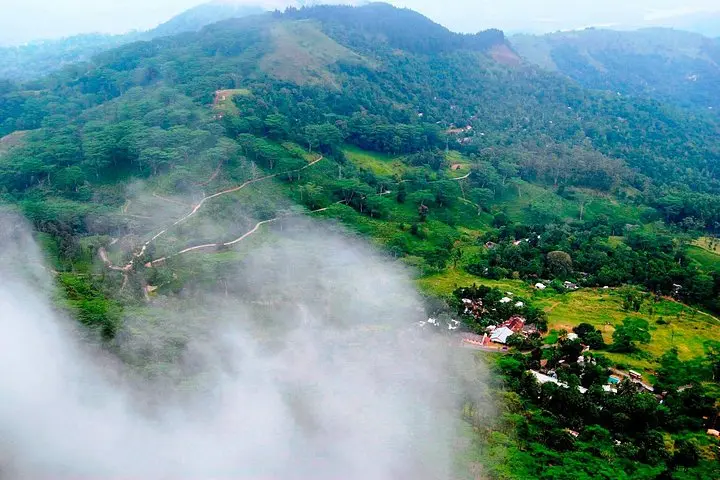
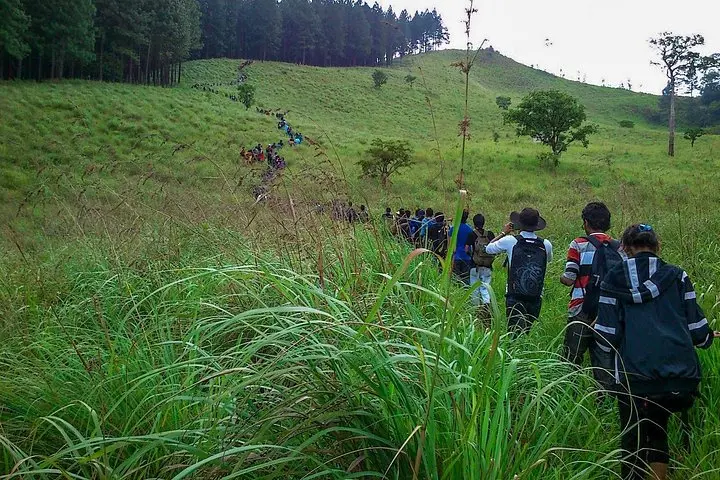
Morning mist lifts off the slopes as you step onto the Hanthana trail: tea bushes slope away to one side, a narrow dirt track threads through mixed forest, and the ridge hums with distant bird calls. The walk rises and falls—short steep pitches give way to ridgeline walking where radio towers mark the skyline and the valley below opens toward Kandy.
Morning mist lifts off the slopes as you step onto the Hanthana trail: tea bushes slope away to one side, a narrow dirt track threads through mixed forest, and the ridge hums with distant bird calls. The walk rises and falls—short steep pitches give way to ridgeline walking where radio towers mark the skyline and the valley below opens toward Kandy.
The Hanthana range sits on Sri Lanka’s central highlands, formed from ancient Precambrian metamorphic rock shaped by long erosion. British-era tea plantations reshaped the land here; the Sri Lanka Tea Industry Museum near the route outlines how colonial estate agriculture remade both landscape and local economy. Culturally, the hills are a working environment—tea graders, smallholder farms and temple shrines appear between stands of native trees.
Expect a 6–9 km route of mixed terrain: packed soil, exposed roots, occasional rocky steps and narrow ridgewalks. The trail is bird-rich—bring binoculars—and the climb involves several hundred metres of cumulative ascent, making it a solid moderate-day trek. A local naturalist guide is typical; many operators include pickup from Kandy and a museum stop after the hike.
Practical edge: start early to avoid afternoon thunderstorms, wear grippy boots for wet root and rock sections, carry 1–2 litres of water (bottled water is often provided), and pack a lightweight rain shell. Respect trails and tea fields—stick to paths, avoid litter, and keep noise low for wildlife. The route balances easy viewpoint stretches with sharper uphill efforts, rewarding hikers with hill-country panoramas and a grounded look at Sri Lanka’s tea heritage.