THE ADVENTURE COLLECTIVE® · Independent discovery and booking for outdoor travel

Walk tea terraces, pluck with local pickers, tour a working factory and sit down to a village lunch—this full‑day Haputale tour peels back the process behind Ceylon tea. Expect easy walking, panoramic highland views and hands-on tasting.
Walk tea terraces, pluck with local pickers, tour a working factory and sit down to a village lunch—this full‑day Haputale tour peels back the process behind Ceylon tea. Expect easy walking, panoramic highland views and hands-on tasting.
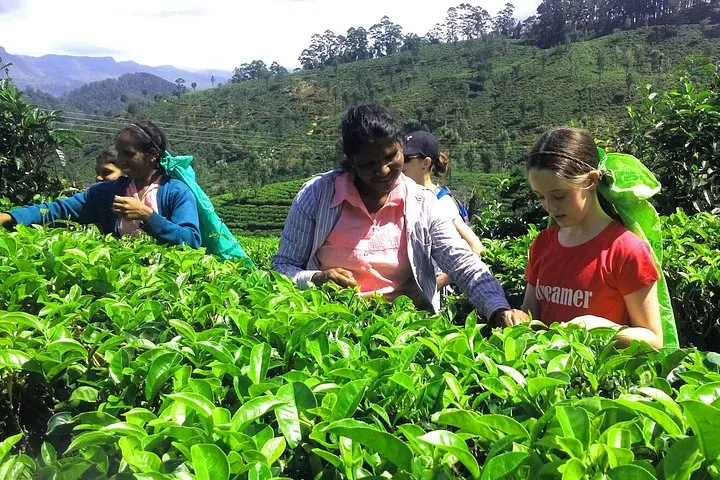
Mist lifts off the terraces as you step from the van onto a narrow lane between bright green rows—tea bushes slope away in deliberate waves, each leaf a small promise. The air here tastes faintly of iron and wet earth; workers move with quick, practiced hands, and the distant clatter of a factory machine hints at the next stage from leaf to cup.
Verified experiences and guided adventures in the surrounding area.
Operated by Ella Holidays · Haputale, Uva Province
Mist lifts off the terraces as you step from the van onto a narrow lane between bright green rows—tea bushes slope away in deliberate waves, each leaf a small promise. The air here tastes faintly of iron and wet earth; workers move with quick, practiced hands, and the distant clatter of a factory machine hints at the next stage from leaf to cup.
Sri Lanka’s central highlands were reshaped in the late 19th century when planters shifted from coffee to tea after a blight; today those colonial-era estates form the backbone of Ceylon tea’s reputation. Geologically, the Uva hills are folded granite and metamorphic ridges that trap fog and create the cool, humid microclimates prized by tea bushes. Culturally, tea is both livelihood and ritual—plucking, with its three-leaf-and-bud rule, is a craft passed down through families.
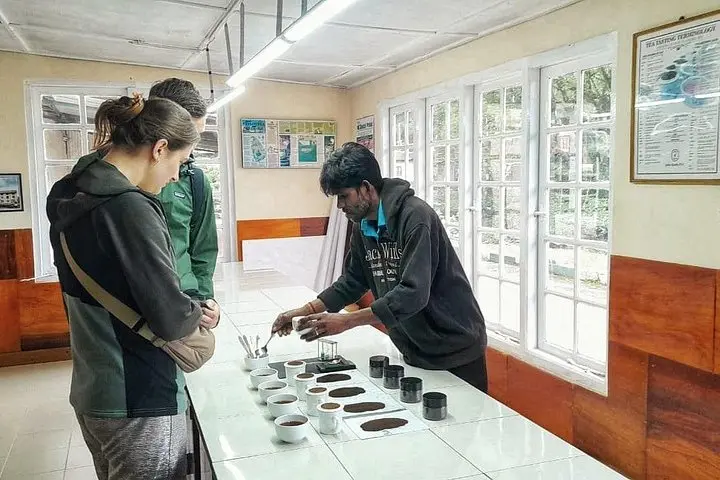
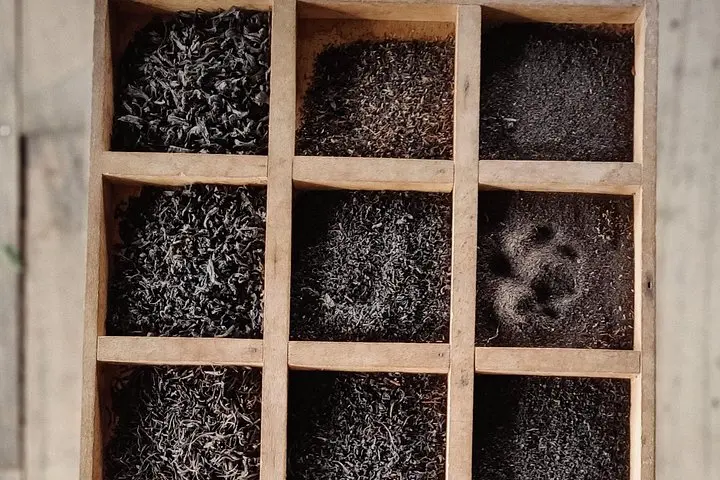
On this full‑day outing you hike planted tracks, join pluckers for hands-on leaf picking, tour a working factory to see withering, rolling and drying, and finish with a guided tasting before sharing a Sri Lankan village lunch.
Plan for uneven footpaths and occasional muddy sections; bring layers for brisk mornings and a rain shell for sudden showers. Respect plantation rules—don’t stray into private plots or handle machinery. Photography is welcome but ask permission before shooting workers.
Practical takeaways: expect 6–7 hours, light walking with short climbs, bottled water provided but carry a refillable bottle, and budget motion for cool, changeable weather. The tour is accessible for most fitness levels and gives a concise, grounded look at why Ceylon tea remains prized globally.
No—walking is generally easy with short, gradual ups and downs; expect 1–3 miles over plantation tracks.
Yes, the tour includes an authentic Sri Lankan lunch at a village house and bottled water.
Yes—visitors can try plucking under guidance; avoid removing leaves from private areas and follow pickers’ instructions.
Private transportation is included, with pickup details confirmed at booking.
Ella Holidays operates guided outdoor trips and adventures with an emphasis on safety, stewardship, and memorable experiences.

Mist lifts off the terraces as you step from the van onto a narrow lane between bright green rows—tea bushes slope away in deliberate waves, each leaf a small promise. The air here tastes faintly of iron and wet earth; workers move with quick, practiced hands, and the distant clatter of a factory machine hints at the next stage from leaf to cup.
Mist lifts off the terraces as you step from the van onto a narrow lane between bright green rows—tea bushes slope away in deliberate waves, each leaf a small promise. The air here tastes faintly of iron and wet earth; workers move with quick, practiced hands, and the distant clatter of a factory machine hints at the next stage from leaf to cup.
Sri Lanka’s central highlands were reshaped in the late 19th century when planters shifted from coffee to tea after a blight; today those colonial-era estates form the backbone of Ceylon tea’s reputation. Geologically, the Uva hills are folded granite and metamorphic ridges that trap fog and create the cool, humid microclimates prized by tea bushes. Culturally, tea is both livelihood and ritual—plucking, with its three-leaf-and-bud rule, is a craft passed down through families.
On this full‑day outing you hike planted tracks, join pluckers for hands-on leaf picking, tour a working factory to see withering, rolling and drying, and finish with a guided tasting before sharing a Sri Lankan village lunch.
Plan for uneven footpaths and occasional muddy sections; bring layers for brisk mornings and a rain shell for sudden showers. Respect plantation rules—don’t stray into private plots or handle machinery. Photography is welcome but ask permission before shooting workers.
Practical takeaways: expect 6–7 hours, light walking with short climbs, bottled water provided but carry a refillable bottle, and budget motion for cool, changeable weather. The tour is accessible for most fitness levels and gives a concise, grounded look at why Ceylon tea remains prized globally.