THE ADVENTURE COLLECTIVE® · Independent discovery and booking for outdoor travel

Trace the hill roads above Haputale to Lipton’s Seat for sweeping plantation views, then step inside Dambatenna Tea Factory to watch tea leaves become the cups that define Sri Lanka. This full-day outing blends short walks with cultural and industrial insight.
Trace the hill roads above Haputale to Lipton’s Seat for sweeping plantation views, then step inside Dambatenna Tea Factory to watch tea leaves become the cups that define Sri Lanka. This full-day outing blends short walks with cultural and industrial insight.
A cool mist lifts off the ridgeline as the minivan climbs from Haputale, revealing terraces planted in neat, green waves. At Lipton’s Seat the wind pushes through the rows of tea, and standing at the viewpoint you can feel why Sir Thomas Lipton picked this place—views unroll to distant reservoirs and the southern coast on clear days. The path to the seat is short but steep in spots; the reward is a wide panorama and the sense of being above the plantations.
Verified experiences and guided adventures in the surrounding area.
Operated by Train Journeys in Sri Lanka · Haputale, Uva Province
A cool mist lifts off the ridgeline as the minivan climbs from Haputale, revealing terraces planted in neat, green waves. At Lipton’s Seat the wind pushes through the rows of tea, and standing at the viewpoint you can feel why Sir Thomas Lipton picked this place—views unroll to distant reservoirs and the southern coast on clear days. The path to the seat is short but steep in spots; the reward is a wide panorama and the sense of being above the plantations.
The region’s story is written in tea: British-era estates, colonial drainage and worker settlements shaped the Uva hills during the 19th and 20th centuries. Geologically, the landscape is old highland rock—rolling peaks carved by monsoon rains and the slow hand of erosion; soils here, rich in organic matter, favor the Camellia sinensis plants that define the view.
At Dambatenna Tea Factory you watch leaves move through withering, rolling and drying machinery — an industrial counterpoint to the pastoral slopes outside. Guides explain grading and the small choices that separate orange pekoe from broken grades, and there’s usually a tasting to ground the tour in flavor.
Practical edge: expect variable weather—sun to drizzle in hours—and muddy patches near trails and factory yards. Comfortable walking shoes, a light rain layer and a camera will cover most needs. The full day is 7–8 hours with hotel pickup; it’s an easy-to-moderate outing suitable for most travelers who can handle short uphill walks and several sets of stairs. Plan for early light and a late-afternoon descent when the valley fills with cloud.
The itinerary runs about 7–8 hours including hotel pickup and drop-off around Haputale.
Only short uphill walks and stairs to reach Lipton’s Seat and around the factory—no multi-hour hikes required.
Yes, admissions to Dambatenna Tea Factory and Lipton’s Seat are typically included in the tour price.
Yes—most factories have a shop where you can purchase fresh grades; bring cash for smaller purchases.
Train Journeys in Sri Lanka operates guided outdoor trips and adventures with an emphasis on safety, stewardship, and memorable experiences.
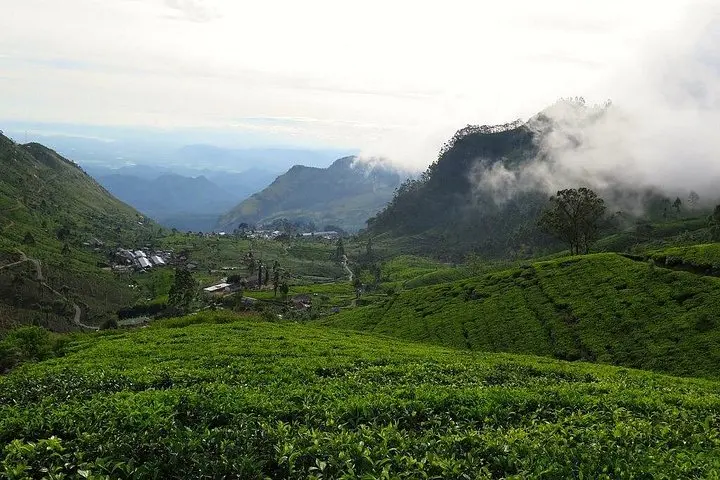
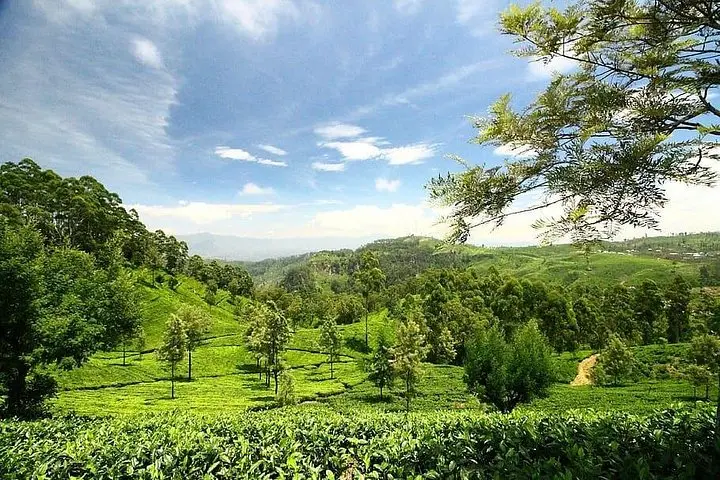
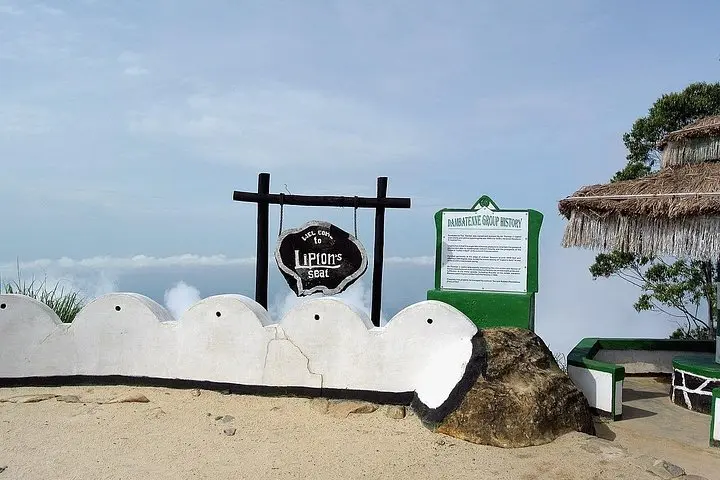
A cool mist lifts off the ridgeline as the minivan climbs from Haputale, revealing terraces planted in neat, green waves. At Lipton’s Seat the wind pushes through the rows of tea, and standing at the viewpoint you can feel why Sir Thomas Lipton picked this place—views unroll to distant reservoirs and the southern coast on clear days. The path to the seat is short but steep in spots; the reward is a wide panorama and the sense of being above the plantations.
A cool mist lifts off the ridgeline as the minivan climbs from Haputale, revealing terraces planted in neat, green waves. At Lipton’s Seat the wind pushes through the rows of tea, and standing at the viewpoint you can feel why Sir Thomas Lipton picked this place—views unroll to distant reservoirs and the southern coast on clear days. The path to the seat is short but steep in spots; the reward is a wide panorama and the sense of being above the plantations.
The region’s story is written in tea: British-era estates, colonial drainage and worker settlements shaped the Uva hills during the 19th and 20th centuries. Geologically, the landscape is old highland rock—rolling peaks carved by monsoon rains and the slow hand of erosion; soils here, rich in organic matter, favor the Camellia sinensis plants that define the view.
At Dambatenna Tea Factory you watch leaves move through withering, rolling and drying machinery — an industrial counterpoint to the pastoral slopes outside. Guides explain grading and the small choices that separate orange pekoe from broken grades, and there’s usually a tasting to ground the tour in flavor.
Practical edge: expect variable weather—sun to drizzle in hours—and muddy patches near trails and factory yards. Comfortable walking shoes, a light rain layer and a camera will cover most needs. The full day is 7–8 hours with hotel pickup; it’s an easy-to-moderate outing suitable for most travelers who can handle short uphill walks and several sets of stairs. Plan for early light and a late-afternoon descent when the valley fills with cloud.