THE ADVENTURE COLLECTIVE® · Independent discovery and booking for outdoor travel

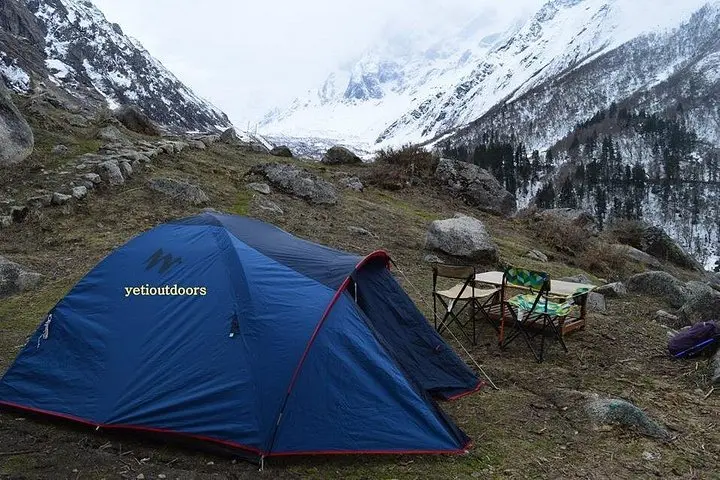
A gentle 7-day Himalayan trek into the Har Ki Doon valley, offering alpine meadows, glacier views and village culture. Ideal for beginners seeking a classic Uttarakhand mountain experience with camping under high-altitude skies.
A gentle 7-day Himalayan trek into the Har Ki Doon valley, offering alpine meadows, glacier views and village culture. Ideal for beginners seeking a classic Uttarakhand mountain experience with camping under high-altitude skies.
You step out of the last village and the valley exhales: grassy meadows roll down to a ribbon of a river, and peaks crowd the horizon like an audience. The trail climbs gently at first, threading through pine stands and tumbling streams, then opens to wide alpine fields where wind ruffles wild grasses and distant snowfields glint.
Verified experiences and guided adventures in the surrounding area.
Operated by Yeti Outdoors · Sankri, Uttarakhand
You step out of the last village and the valley exhales: grassy meadows roll down to a ribbon of a river, and peaks crowd the horizon like an audience. The trail climbs gently at first, threading through pine stands and tumbling streams, then opens to wide alpine fields where wind ruffles wild grasses and distant snowfields glint.
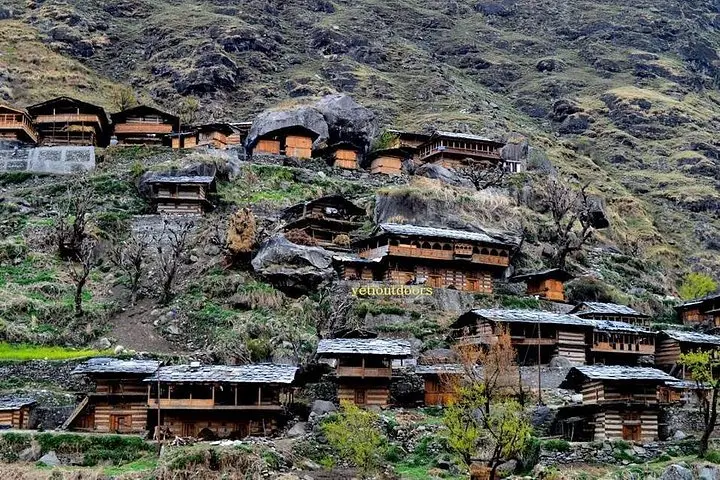
Har Ki Doon sits at the foot of Fateh Parvat and faces the mythic Swargarohini, the ridge tied to the Pandavas' legend. Geologically the valley is carved from glacial action—U-shaped hollows, moraines and hanging valleys reveal the slow work of ice. Local Garhwali villages along the route still practice mountain agriculture and hospitality, offering a window into hill farming and simple, wood-fired kitchens.
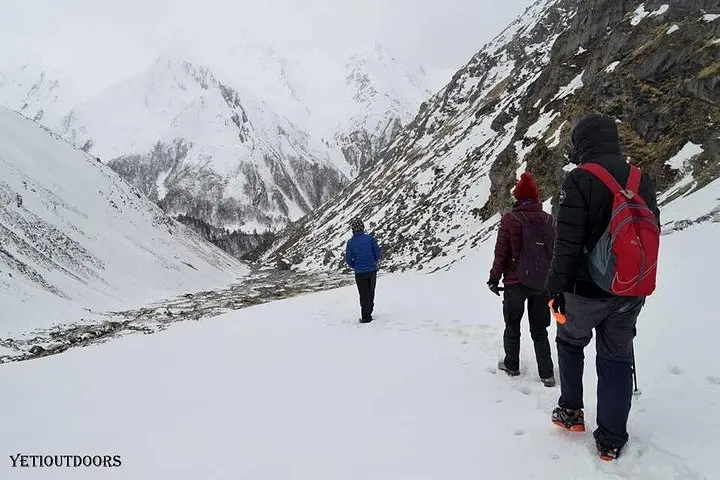
Expect varied terrain: packed dirt, rocky switchbacks and meadows; the trek reaches about 3,810 m (12,500 ft) at its high points. Weather changes quickly—sun feels strong at altitude, then clouds can lower visibility in an hour. Water is available at streams but should be treated.
Practical guidance: allow 5–7 days to move at a steady pace with time for acclimatization. Pack layered clothing, a warm sleeping bag rated to near-freezing, and sturdy boots with ankle support. Trekking poles reduce knee strain on descents. Respect park rules—this route sits inside protected areas where permits and responsible camping keep the valley intact.
For first-time Himalayan trekkers, Har Ki Doon balances scenic reward with manageable terrain—nature nudges you forward and the valley answers with broad views and quiet nights under the stars.
Yes—treks in Govind Pashu Vihar/Har Ki Doon region require permits and park fees, usually arranged by operators at Sankri or through the trek organizer.
Post-monsoon (September–November) and spring (April–June) offer stable weather and clear views; avoid monsoon months due to landslide risk.
Yes—Har Ki Doon is commonly rated moderate and is good for fit beginners with proper acclimatization and a guided group or experienced leader.
Maximum altitude is around 3,810 m; altitude can affect some trekkers, so ascend slowly and watch for symptoms of AMS.
Yeti Outdoors operates guided outdoor trips and adventures with an emphasis on safety, stewardship, and memorable experiences.
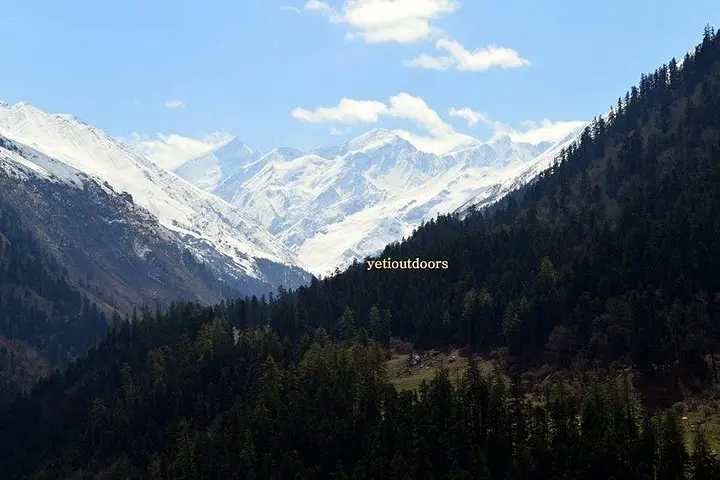
You step out of the last village and the valley exhales: grassy meadows roll down to a ribbon of a river, and peaks crowd the horizon like an audience. The trail climbs gently at first, threading through pine stands and tumbling streams, then opens to wide alpine fields where wind ruffles wild grasses and distant snowfields glint.
You step out of the last village and the valley exhales: grassy meadows roll down to a ribbon of a river, and peaks crowd the horizon like an audience. The trail climbs gently at first, threading through pine stands and tumbling streams, then opens to wide alpine fields where wind ruffles wild grasses and distant snowfields glint.
Har Ki Doon sits at the foot of Fateh Parvat and faces the mythic Swargarohini, the ridge tied to the Pandavas' legend. Geologically the valley is carved from glacial action—U-shaped hollows, moraines and hanging valleys reveal the slow work of ice. Local Garhwali villages along the route still practice mountain agriculture and hospitality, offering a window into hill farming and simple, wood-fired kitchens.
Expect varied terrain: packed dirt, rocky switchbacks and meadows; the trek reaches about 3,810 m (12,500 ft) at its high points. Weather changes quickly—sun feels strong at altitude, then clouds can lower visibility in an hour. Water is available at streams but should be treated.
Practical guidance: allow 5–7 days to move at a steady pace with time for acclimatization. Pack layered clothing, a warm sleeping bag rated to near-freezing, and sturdy boots with ankle support. Trekking poles reduce knee strain on descents. Respect park rules—this route sits inside protected areas where permits and responsible camping keep the valley intact.
For first-time Himalayan trekkers, Har Ki Doon balances scenic reward with manageable terrain—nature nudges you forward and the valley answers with broad views and quiet nights under the stars.