THE ADVENTURE COLLECTIVE® · Independent discovery and booking for outdoor travel

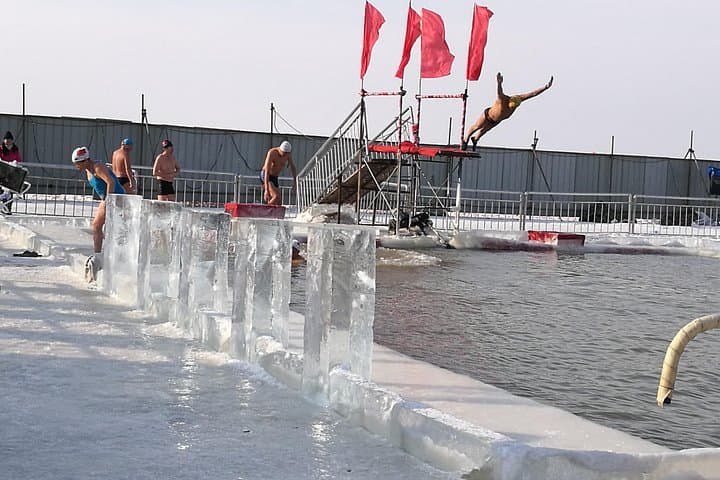
Spend three brisk hours walking across frozen reaches of the Songhua River with a local guide, watching an ice swimming show, and exploring Stalin Park, the Flood Control Memorial Tower, and an historic railway bridge. Ideal for travelers wanting a compact, local winter-culture experience in Harbin.
Spend three brisk hours walking across frozen reaches of the Songhua River with a local guide, watching an ice swimming show, and exploring Stalin Park, the Flood Control Memorial Tower, and an historic railway bridge. Ideal for travelers wanting a compact, local winter-culture experience in Harbin.
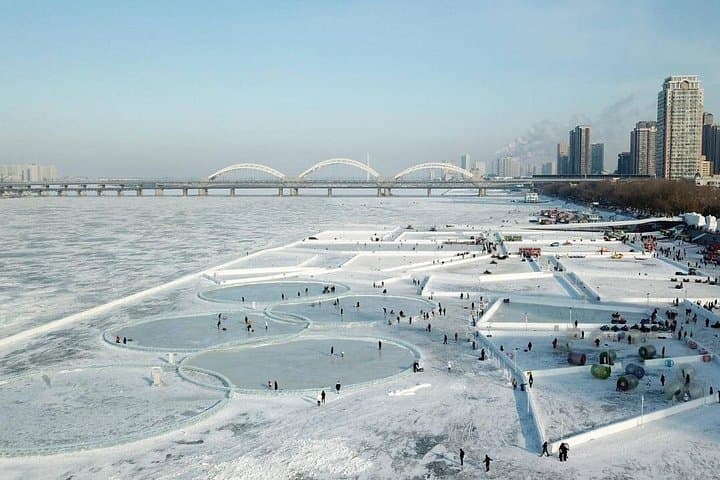
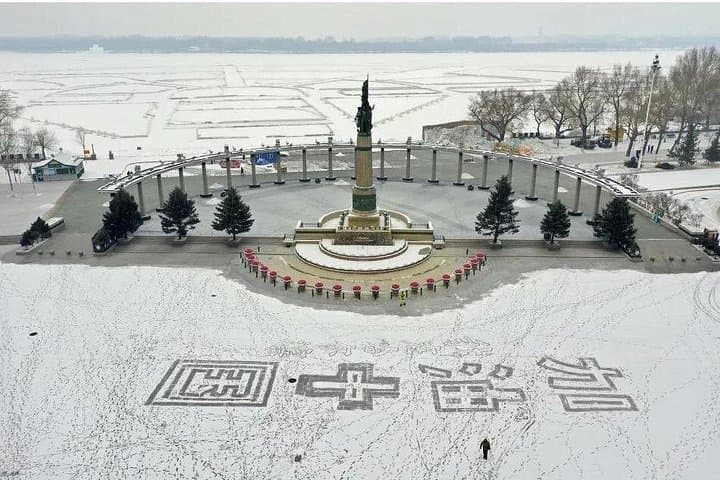
The wind off the Songhua River cuts clean and loud as you step from Stalin Park onto the frozen surface, boots crunching over river ice that has carried Harbin’s stories for centuries. In three hours a private guide leads you past snow-sculpted promenades, the Flood Control Memorial Tower, and an old iron railway bridge built in the early 1900s — each landmark marking the city’s river-borne history.
Verified experiences and guided adventures in the surrounding area.
Operated by Private Tour Guide · Harbin, Heilongjiang
The wind off the Songhua River cuts clean and loud as you step from Stalin Park onto the frozen surface, boots crunching over river ice that has carried Harbin’s stories for centuries. In three hours a private guide leads you past snow-sculpted promenades, the Flood Control Memorial Tower, and an old iron railway bridge built in the early 1900s — each landmark marking the city’s river-borne history.
Songhua has been both lifeline and workplace for Harbin: its seasonal freeze supplies the ice blocks for the modern Ice and Snow World and, historically, shaped trade routes and settlement patterns influenced by river geology and seasonal flood cycles. Walkways along the river show layers of urban development—Russian-era architecture across the water, Soviet-era parks, and modern winter amusements—and you’ll catch local traditions in motion during the ice swimming show, where hardy swimmers plunge through carved holes while operators and medics keep watch.
Practically: expect compacted snow, uneven ice in places, and short transfers by vehicle. The pace is gentle; the tour is accessible to most fitness levels but requires steady footwear and attention on slippery sections. Morning and early-afternoon departures match scheduled ice-swimming performances. Bring layered clothing, waterproof boots, and a charged camera; consider sunscreen for reflective snow glare.
This half-day walk is atmospheric rather than strenuous — a close look at Harbin’s river culture, local winter rituals, and the physical geography that continues to shape how the city lives with its river.
Guided walks stay on monitored, tourist-accessible sections where local authorities permit foot traffic; follow your guide's instructions and avoid walking off marked areas.
Yes—this tour is scheduled to coincide with the public ice swimming performances, typically at 10:00/10:30 and 13:30/14:00, depending on the day.
Children are welcome but must be accompanied by an adult; strollers are impractical on ice and packed snow, so bring a child carrier if needed.
Guide language options depend on booking; private tours generally offer English- or Mandarin-speaking guides—confirm when you book.
Private Tour Guide operates guided outdoor trips and adventures with an emphasis on safety, stewardship, and memorable experiences.

The wind off the Songhua River cuts clean and loud as you step from Stalin Park onto the frozen surface, boots crunching over river ice that has carried Harbin’s stories for centuries. In three hours a private guide leads you past snow-sculpted promenades, the Flood Control Memorial Tower, and an old iron railway bridge built in the early 1900s — each landmark marking the city’s river-borne history.
The wind off the Songhua River cuts clean and loud as you step from Stalin Park onto the frozen surface, boots crunching over river ice that has carried Harbin’s stories for centuries. In three hours a private guide leads you past snow-sculpted promenades, the Flood Control Memorial Tower, and an old iron railway bridge built in the early 1900s — each landmark marking the city’s river-borne history.
Songhua has been both lifeline and workplace for Harbin: its seasonal freeze supplies the ice blocks for the modern Ice and Snow World and, historically, shaped trade routes and settlement patterns influenced by river geology and seasonal flood cycles. Walkways along the river show layers of urban development—Russian-era architecture across the water, Soviet-era parks, and modern winter amusements—and you’ll catch local traditions in motion during the ice swimming show, where hardy swimmers plunge through carved holes while operators and medics keep watch.
Practically: expect compacted snow, uneven ice in places, and short transfers by vehicle. The pace is gentle; the tour is accessible to most fitness levels but requires steady footwear and attention on slippery sections. Morning and early-afternoon departures match scheduled ice-swimming performances. Bring layered clothing, waterproof boots, and a charged camera; consider sunscreen for reflective snow glare.
This half-day walk is atmospheric rather than strenuous — a close look at Harbin’s river culture, local winter rituals, and the physical geography that continues to shape how the city lives with its river.