THE ADVENTURE COLLECTIVE® · Independent discovery and booking for outdoor travel

Step into a nautical puzzle that borrows the port’s language—flags, ledgers and knots—and race the clock to be named Harbour Masters. This accessible, family-friendly escape experience pairs local maritime history with a head-to-head competition format.
Step into a nautical puzzle that borrows the port’s language—flags, ledgers and knots—and race the clock to be named Harbour Masters. This accessible, family-friendly escape experience pairs local maritime history with a head-to-head competition format.
The door clicks and the muffled sound of the Mediterranean slips away; inside, ropes, compasses and portholes frame a single clock counting down from 60 minutes. You’re in a twin nautical puzzle room that borrows the port’s language—knots, signal flags and ledger clues—to ask you, plainly: can you become Harbour Masters?
Verified experiences and guided adventures in the surrounding area.
Operated by Room Of Riddles Barcelona · Barcelona, Catalonia
The door clicks and the muffled sound of the Mediterranean slips away; inside, ropes, compasses and portholes frame a single clock counting down from 60 minutes. You’re in a twin nautical puzzle room that borrows the port’s language—knots, signal flags and ledger clues—to ask you, plainly: can you become Harbour Masters?
Barcelona’s port has been a working throat to the sea since Roman times, expanded through medieval trade and rebuilt during the 19th-century industrial boom. The room riffs on that layered history, pulling in real maritime jargon and the compact geometry of a harbor—piers, warehouses, reclaimed quays—so the puzzles feel like an urban-seafaring scavenger hunt in miniature.
Geologically the city sits where plain meets shore; sand and limestone underlie the docklands and the sea occasionally reclaims the city’s edges, which is why the port’s layout is as much engineered as inherited. Culturally, the room nods to Barcelona’s fishing quarter and Catalan sea lore: expect references to local rhythms rather than foreign myths.
Practical guidance: book for a specific language (English or Spanish), arrive 10–15 minutes early, and leave bulky bags in the free two-hour parking or nearby lockers. Teams can split into two identical rooms for head-to-head competition—ideal for groups up to 12. The experience is wheelchair accessible and suitable for families; facilitators adjust puzzles for younger players. Treat the clock as your stern companion: communicate quickly, assign roles, and use the soft beverage afterward to decompress and compare routes to victory.
The game lasts 60 minutes; allow extra time for check-in and a brief safety/intro talk—plan for about 75–90 minutes total.
The room is run in English or Spanish; indicate your preference when booking to ensure a facilitator speaks your language.
Yes—puzzles can be adapted for younger players, and the facility is wheelchair and stroller accessible with step-free access.
Yes—there are two identical rooms for split-team competitions, ideal for groups up to about 12 participants.
Room Of Riddles Barcelona operates guided outdoor trips and adventures with an emphasis on safety, stewardship, and memorable experiences.

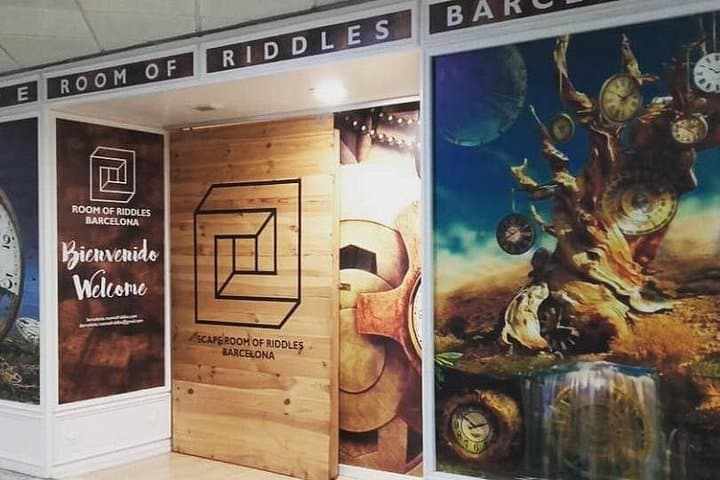
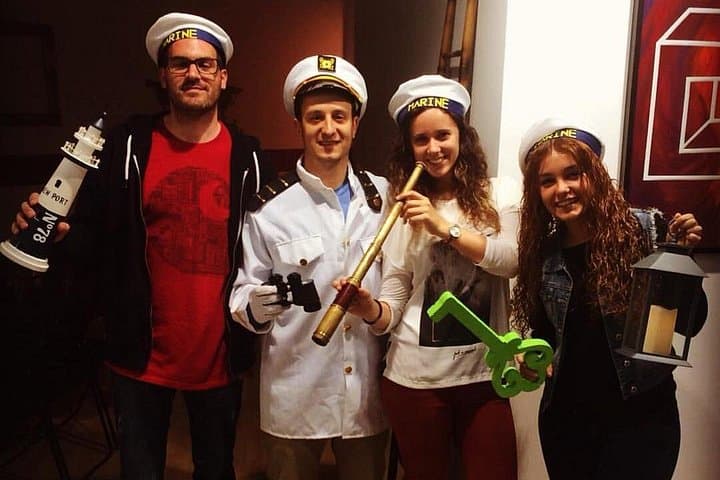
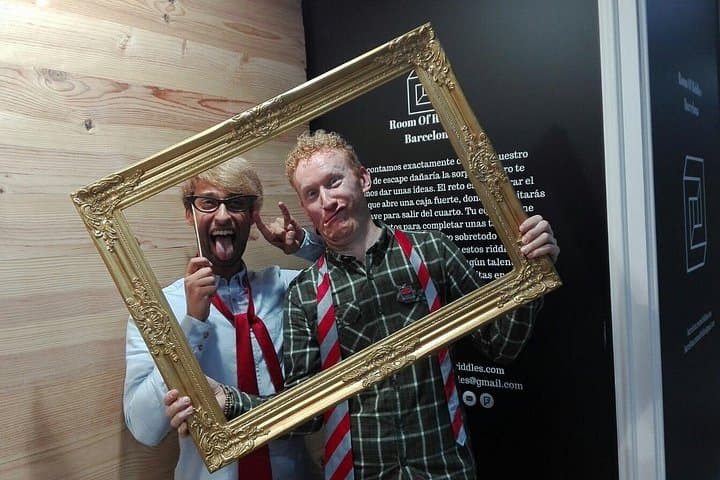
The door clicks and the muffled sound of the Mediterranean slips away; inside, ropes, compasses and portholes frame a single clock counting down from 60 minutes. You’re in a twin nautical puzzle room that borrows the port’s language—knots, signal flags and ledger clues—to ask you, plainly: can you become Harbour Masters?
The door clicks and the muffled sound of the Mediterranean slips away; inside, ropes, compasses and portholes frame a single clock counting down from 60 minutes. You’re in a twin nautical puzzle room that borrows the port’s language—knots, signal flags and ledger clues—to ask you, plainly: can you become Harbour Masters?
Barcelona’s port has been a working throat to the sea since Roman times, expanded through medieval trade and rebuilt during the 19th-century industrial boom. The room riffs on that layered history, pulling in real maritime jargon and the compact geometry of a harbor—piers, warehouses, reclaimed quays—so the puzzles feel like an urban-seafaring scavenger hunt in miniature.
Geologically the city sits where plain meets shore; sand and limestone underlie the docklands and the sea occasionally reclaims the city’s edges, which is why the port’s layout is as much engineered as inherited. Culturally, the room nods to Barcelona’s fishing quarter and Catalan sea lore: expect references to local rhythms rather than foreign myths.
Practical guidance: book for a specific language (English or Spanish), arrive 10–15 minutes early, and leave bulky bags in the free two-hour parking or nearby lockers. Teams can split into two identical rooms for head-to-head competition—ideal for groups up to 12. The experience is wheelchair accessible and suitable for families; facilitators adjust puzzles for younger players. Treat the clock as your stern companion: communicate quickly, assign roles, and use the soft beverage afterward to decompress and compare routes to victory.