THE ADVENTURE COLLECTIVE® · Independent discovery and booking for outdoor travel

A long day drive from Delhi delivers two of India’s most storied river cities: Haridwar for the evening Ganga Aarti and Rishikesh for ashrams, bridges, and the Beatles Ashram ruins. Expect short walks, market lanes, and riverside rituals packed into a 12‑hour private tour.
A long day drive from Delhi delivers two of India’s most storied river cities: Haridwar for the evening Ganga Aarti and Rishikesh for ashrams, bridges, and the Beatles Ashram ruins. Expect short walks, market lanes, and riverside rituals packed into a 12‑hour private tour.
A pre-dawn highway slices through the plains as the car carries travelers north; the Ganges, downstream, gathers momentum and history. By midmorning the city air shifts—smoke from incense mixes with diesel and river mist—announcing Haridwar’s Har Ki Pauri where pilgrims edge toward the water and priests ready lamps for sunset.
Verified experiences and guided adventures in the surrounding area.
Operated by The Vision Holidays · Haridwar, Uttarakhand
A pre-dawn highway slices through the plains as the car carries travelers north; the Ganges, downstream, gathers momentum and history. By midmorning the city air shifts—smoke from incense mixes with diesel and river mist—announcing Haridwar’s Har Ki Pauri where pilgrims edge toward the water and priests ready lamps for sunset.
Haridwar marks the first stretch where the Ganga leaves the Himalaya’s foothills and enters the plains—geology that has shaped settlement, pilgrimage, and trade for millennia. Rishikesh, a short drive upriver, grew as a spiritual hub in the 20th century and later as a global countercultural stop-in (see Beatles Ashram) while its suspension bridges—Lakshman Jhula and Ram Jhula—span not only water but cultural currents.
Expect a mix of paved ghats, narrow market lanes, monastery courtyards, and short uphill approaches to ashrams and viewpoint points. The day culminates at Har Ki Pauri’s Ganga Aarti: priests move in choreographed circles, lamps catching the river’s surface while chants push outward across the banks.
Practical guidance: start early to beat Delhi traffic, wear modest, quick-dry clothing for temple visits, and carry small-denomination cash for offerings and tea stalls. Allow time for short walks at each stop and factor in restroom breaks—facilities are basic outside main ghats. If you have limited mobility, ask for closer drop-offs at key sites. A durable water bottle, lightweight footwear, and respect for local customs will make the long day comfortable and culturally rewarding.
The one-way drive to Haridwar is about 4–5 hours depending on traffic; the full itinerary returns to Delhi late evening for a roughly 10–12 hour day.
The Aarti is family-friendly but the ghats can be crowded and involve steps; arrive early for less congested viewing spots and avoid peak crush if mobility is limited.
No; most cultural sites visited are free or ask for small donations—special exhibitions or private rooms may charge entry, which is not included.
Lunch is at a local restaurant at your own expense—request vegetarian or other options when ordering, but inform the guide in advance for better arrangements.
The Vision Holidays operates guided outdoor trips and adventures with an emphasis on safety, stewardship, and memorable experiences.
A pre-dawn highway slices through the plains as the car carries travelers north; the Ganges, downstream, gathers momentum and history. By midmorning the city air shifts—smoke from incense mixes with diesel and river mist—announcing Haridwar’s Har Ki Pauri where pilgrims edge toward the water and priests ready lamps for sunset.
A pre-dawn highway slices through the plains as the car carries travelers north; the Ganges, downstream, gathers momentum and history. By midmorning the city air shifts—smoke from incense mixes with diesel and river mist—announcing Haridwar’s Har Ki Pauri where pilgrims edge toward the water and priests ready lamps for sunset.
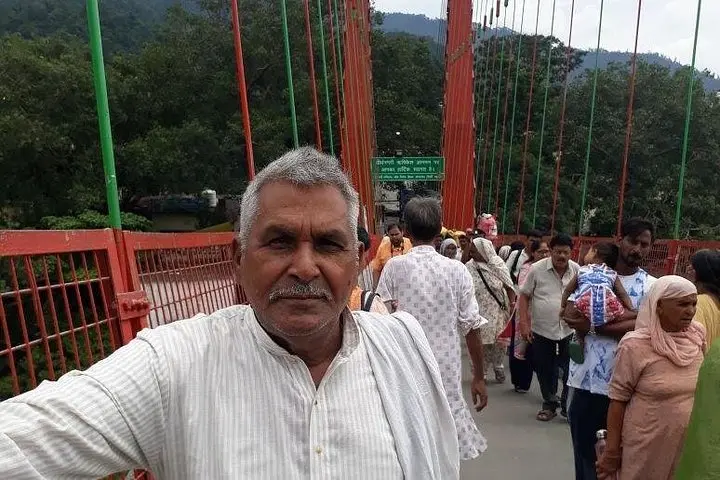
Haridwar marks the first stretch where the Ganga leaves the Himalaya’s foothills and enters the plains—geology that has shaped settlement, pilgrimage, and trade for millennia. Rishikesh, a short drive upriver, grew as a spiritual hub in the 20th century and later as a global countercultural stop-in (see Beatles Ashram) while its suspension bridges—Lakshman Jhula and Ram Jhula—span not only water but cultural currents.
Expect a mix of paved ghats, narrow market lanes, monastery courtyards, and short uphill approaches to ashrams and viewpoint points. The day culminates at Har Ki Pauri’s Ganga Aarti: priests move in choreographed circles, lamps catching the river’s surface while chants push outward across the banks.
Practical guidance: start early to beat Delhi traffic, wear modest, quick-dry clothing for temple visits, and carry small-denomination cash for offerings and tea stalls. Allow time for short walks at each stop and factor in restroom breaks—facilities are basic outside main ghats. If you have limited mobility, ask for closer drop-offs at key sites. A durable water bottle, lightweight footwear, and respect for local customs will make the long day comfortable and culturally rewarding.