THE ADVENTURE COLLECTIVE® · Independent discovery and booking for outdoor travel

Swap Delhi’s rush for the river-lit rituals of Haridwar and the yoga-lined banks of Rishikesh on this four-day tour. Expect evening aartis, temple cable cars, the Devprayag confluence and practical tips for dressing, timing and river safety.
Swap Delhi’s rush for the river-lit rituals of Haridwar and the yoga-lined banks of Rishikesh on this four-day tour. Expect evening aartis, temple cable cars, the Devprayag confluence and practical tips for dressing, timing and river safety.
A low, saffron light pools on the ghats as boatmen arrange small leaf bowls aflame — the Ganga Aarti at Har Ki Pauri pulls the crowd forward like a tide. Visitors who start in Delhi trade the city’s engineered cadence for hill-fed air and a river that insists on attention: reverent, loud, and alive.
Verified experiences and guided adventures in the surrounding area.
Operated by Padma Holidays · Haridwar, Uttarakhand
A low, saffron light pools on the ghats as boatmen arrange small leaf bowls aflame — the Ganga Aarti at Har Ki Pauri pulls the crowd forward like a tide. Visitors who start in Delhi trade the city’s engineered cadence for hill-fed air and a river that insists on attention: reverent, loud, and alive.
The four-day route threads culture and geology. Haridwar is an age-old pilgrimage gateway where pilgrims gather water and belief; downstream, Rishikesh serves as both a yoga hub and a Himalayan foothill access point. Geologically, the tour moves toward the young folds of the Lesser Himalaya; Devprayag marks the visible meeting of the Bhagirathi and Alaknanda rivers, a confluence long held as sacred and formed by centuries of glacial and monsoon-fed runoff.
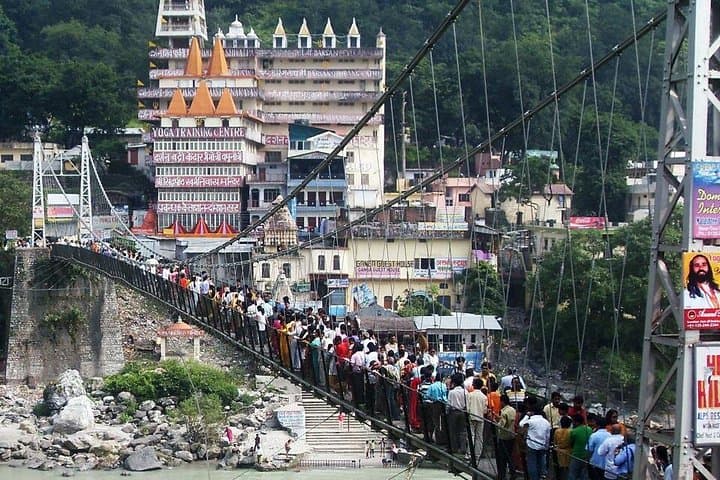
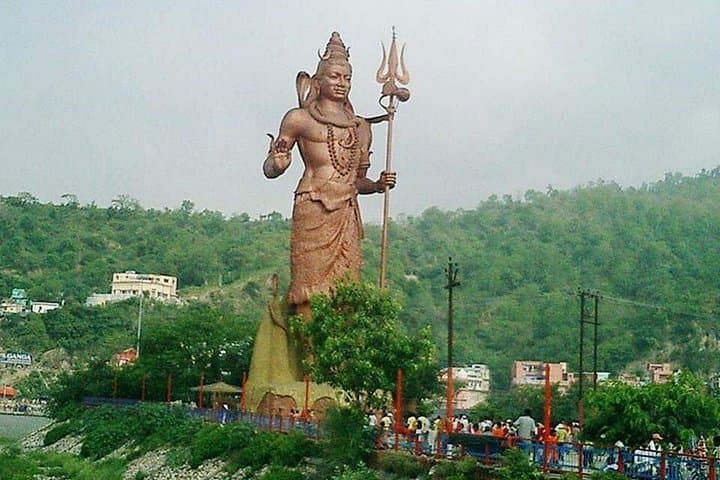
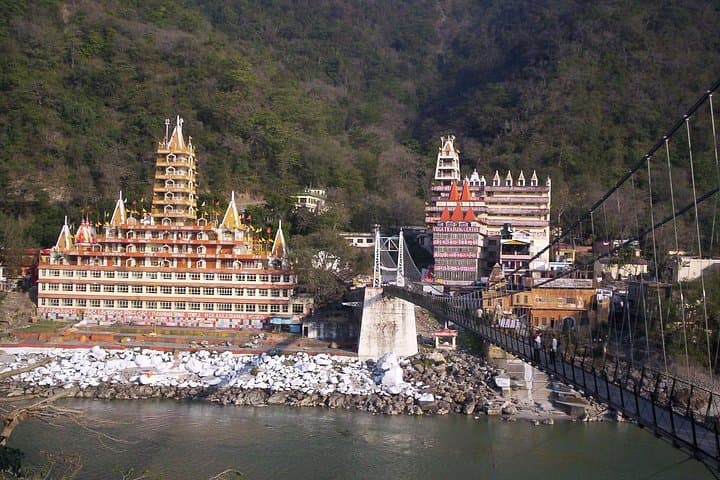
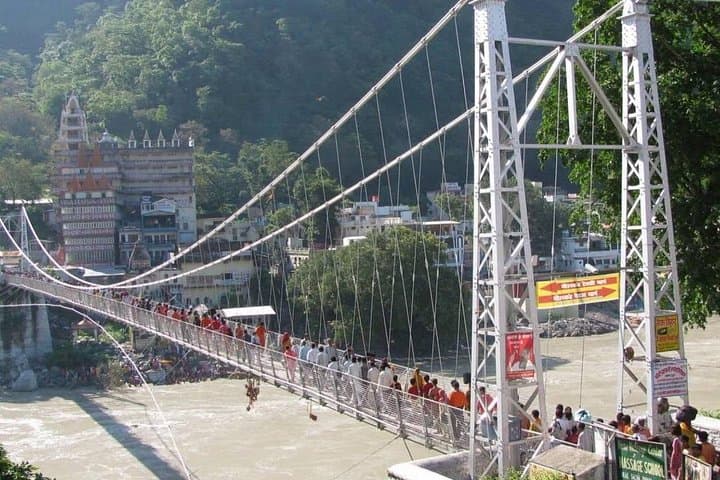
Expect temple rituals (Mansa Devi, Chandi Devi by cable car), ashram visits, riverfront aarti, and a short climb to viewpoints such as Laxmanjhula. Local culture is hands-on: priests, pilgrims, and yoga teachers share space with street stalls selling prasad and chai.
Practical guidance: Delhi to Haridwar is roughly 210–230 km and usually 5–6 hours by road; plan early departures to avoid traffic. Dress conservatively for temple visits—cover shoulders and knees—and bring footwear easy to remove. Hydrate; bottled water is standard on tours. River dips are a traditional experience but check local safety and avoid strong current sections.
Travelers should expect modest walking on stairs and ghats, occasional steep short climbs, and crowds at peak hours. The trip pairs cultural immersion with manageable physical demand, ideal for travelers who want an experiential introduction to the Ganges and the Himalayan rim.
The road distance is about 210–230 km and typically takes 5–6 hours depending on traffic and road conditions.
No special permits are required for Haridwar or Rishikesh temples, though some ashrams or guided sites may ask for small entrance fees or registrations.
Bathing is a common ritual but safety varies by location; use designated bathing ghats, avoid strong currents and follow local guidance, especially after heavy rains.
October–March offers cooler, drier weather; however, spring (March–April) is also pleasant for river views and fewer tourists at some sites.
Padma Holidays operates guided outdoor trips and adventures with an emphasis on safety, stewardship, and memorable experiences.
A low, saffron light pools on the ghats as boatmen arrange small leaf bowls aflame — the Ganga Aarti at Har Ki Pauri pulls the crowd forward like a tide. Visitors who start in Delhi trade the city’s engineered cadence for hill-fed air and a river that insists on attention: reverent, loud, and alive.
A low, saffron light pools on the ghats as boatmen arrange small leaf bowls aflame — the Ganga Aarti at Har Ki Pauri pulls the crowd forward like a tide. Visitors who start in Delhi trade the city’s engineered cadence for hill-fed air and a river that insists on attention: reverent, loud, and alive.
The four-day route threads culture and geology. Haridwar is an age-old pilgrimage gateway where pilgrims gather water and belief; downstream, Rishikesh serves as both a yoga hub and a Himalayan foothill access point. Geologically, the tour moves toward the young folds of the Lesser Himalaya; Devprayag marks the visible meeting of the Bhagirathi and Alaknanda rivers, a confluence long held as sacred and formed by centuries of glacial and monsoon-fed runoff.
Expect temple rituals (Mansa Devi, Chandi Devi by cable car), ashram visits, riverfront aarti, and a short climb to viewpoints such as Laxmanjhula. Local culture is hands-on: priests, pilgrims, and yoga teachers share space with street stalls selling prasad and chai.
Practical guidance: Delhi to Haridwar is roughly 210–230 km and usually 5–6 hours by road; plan early departures to avoid traffic. Dress conservatively for temple visits—cover shoulders and knees—and bring footwear easy to remove. Hydrate; bottled water is standard on tours. River dips are a traditional experience but check local safety and avoid strong current sections.
Travelers should expect modest walking on stairs and ghats, occasional steep short climbs, and crowds at peak hours. The trip pairs cultural immersion with manageable physical demand, ideal for travelers who want an experiential introduction to the Ganges and the Himalayan rim.