THE ADVENTURE COLLECTIVE® · Independent discovery and booking for outdoor travel

Two days of riverside rituals and ashram-lined banks: this private tour from New Delhi connects Haridwar’s sacred ghats with Rishikesh’s suspended bridges and yoga hubs. Expect cultural depth, easy walking, and a four-hour drive each way.
Two days of riverside rituals and ashram-lined banks: this private tour from New Delhi connects Haridwar’s sacred ghats with Rishikesh’s suspended bridges and yoga hubs. Expect cultural depth, easy walking, and a four-hour drive each way.
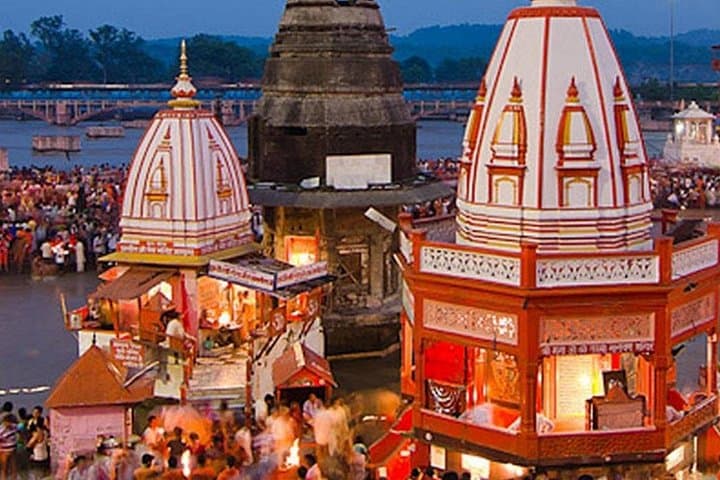
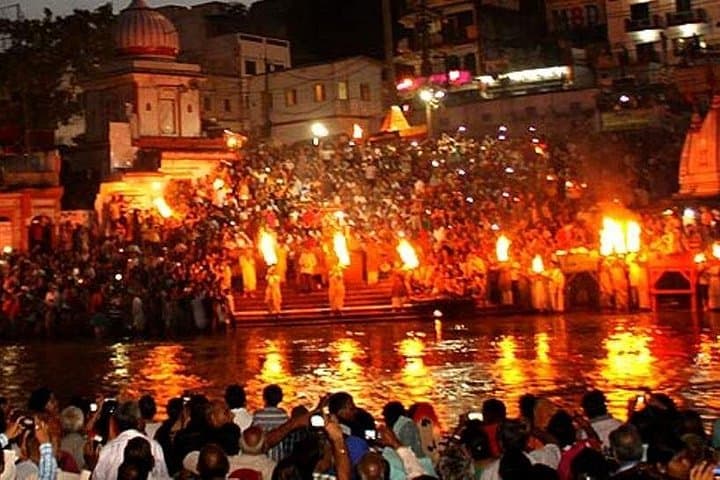
Dawn leaves Delhi in the rearview as the highway threads north toward the lower Himalaya; fields flatten, the air smells of river-wet stone, and the Ganges begins to assert itself on the landscape. By late afternoon you arrive at Har Ki Pauri, where the river widens and evening lamps tilt and tremble on the water—an aarti that pulls you forward, a ritual of light and sound.
Verified experiences and guided adventures in the surrounding area.
Operated by India Tour Packages | Tours & Activities · Haridwar, Uttarakhand
Dawn leaves Delhi in the rearview as the highway threads north toward the lower Himalaya; fields flatten, the air smells of river-wet stone, and the Ganges begins to assert itself on the landscape. By late afternoon you arrive at Har Ki Pauri, where the river widens and evening lamps tilt and tremble on the water—an aarti that pulls you forward, a ritual of light and sound.
These two cities map India’s long relationship with the Ganges. Haridwar—literally the "gateway to God"—has been a pilgrimage portal for millennia; Rishikesh, a short drive upstream, evolved as a center for yoga, ashrams and riverside gatherings. Geologically the region marks the plains meeting the foothills, with broadly gentle elevations and the swift, clear current of the Ganges cutting through ancient alluvium. Cultural layers are visible at every turn: hilltop temples like Mansa Devi and Chandi Devi, pedestrian icons Ram Jhula and Lakshman Jhula, and quieter spots such as Sapt Rishi Ashram.
Practically, expect a four-hour drive each way from New Delhi and a mix of easy walking, stair climbs and optional cable-car rides to hill temples. Dress modestly for temples, bring sun protection and a reusable water bottle—temperatures swing by season. Plan for market time in Bara Bazaar and small-group interactions with local guides who explain puja etiquette and the meaning behind offerings.
Travel tips: morning and late afternoon light are best for photography and avoids the hottest hours; carry small-denomination cash for offerings and snacks; and avoid releasing plastics into the Ganges—respectful travel helps keep these sacred waterways healthy for future pilgrims.
The drive is roughly 4 hours one-way depending on traffic, covering about 200–230 km on mostly highway roads.
Cable car rides are optional and may have separate fees; the tour notes access but ticketing is handled locally.
Yes—modest clothing covering shoulders and knees is expected; remove shoes before entering temple sanctums.
Bottled water is included; lunch is typically arranged in Rishikesh but confirm dietary needs when booking.
India Tour Packages | Tours & Activities operates guided outdoor trips and adventures with an emphasis on safety, stewardship, and memorable experiences.
Dawn leaves Delhi in the rearview as the highway threads north toward the lower Himalaya; fields flatten, the air smells of river-wet stone, and the Ganges begins to assert itself on the landscape. By late afternoon you arrive at Har Ki Pauri, where the river widens and evening lamps tilt and tremble on the water—an aarti that pulls you forward, a ritual of light and sound.
Dawn leaves Delhi in the rearview as the highway threads north toward the lower Himalaya; fields flatten, the air smells of river-wet stone, and the Ganges begins to assert itself on the landscape. By late afternoon you arrive at Har Ki Pauri, where the river widens and evening lamps tilt and tremble on the water—an aarti that pulls you forward, a ritual of light and sound.
These two cities map India’s long relationship with the Ganges. Haridwar—literally the "gateway to God"—has been a pilgrimage portal for millennia; Rishikesh, a short drive upstream, evolved as a center for yoga, ashrams and riverside gatherings. Geologically the region marks the plains meeting the foothills, with broadly gentle elevations and the swift, clear current of the Ganges cutting through ancient alluvium. Cultural layers are visible at every turn: hilltop temples like Mansa Devi and Chandi Devi, pedestrian icons Ram Jhula and Lakshman Jhula, and quieter spots such as Sapt Rishi Ashram.
Practically, expect a four-hour drive each way from New Delhi and a mix of easy walking, stair climbs and optional cable-car rides to hill temples. Dress modestly for temples, bring sun protection and a reusable water bottle—temperatures swing by season. Plan for market time in Bara Bazaar and small-group interactions with local guides who explain puja etiquette and the meaning behind offerings.
Travel tips: morning and late afternoon light are best for photography and avoids the hottest hours; carry small-denomination cash for offerings and snacks; and avoid releasing plastics into the Ganges—respectful travel helps keep these sacred waterways healthy for future pilgrims.