THE ADVENTURE COLLECTIVE® · Independent discovery and booking for outdoor travel

Three days of private transport and local guiding take you from New Delhi to Haridwar and Rishikesh for temple visits, riverside aarti and yoga centers. Expect light walking, cable-car access to hilltop shrines and evenings beside the holy Ganges.
Three days of private transport and local guiding take you from New Delhi to Haridwar and Rishikesh for temple visits, riverside aarti and yoga centers. Expect light walking, cable-car access to hilltop shrines and evenings beside the holy Ganges.
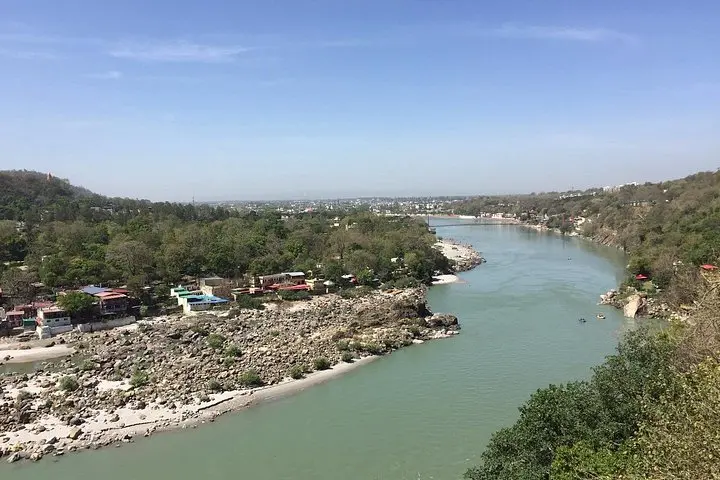
You arrive as the Ganges moves from mountain run to broad river—morning mist lifts from Har Ki Pauri and the ghats hum with sandalwood smoke and temple bells.
Verified experiences and guided adventures in the surrounding area.
Operated by India Trekking Tours · Haridwar, Uttarakhand
You arrive as the Ganges moves from mountain run to broad river—morning mist lifts from Har Ki Pauri and the ghats hum with sandalwood smoke and temple bells.
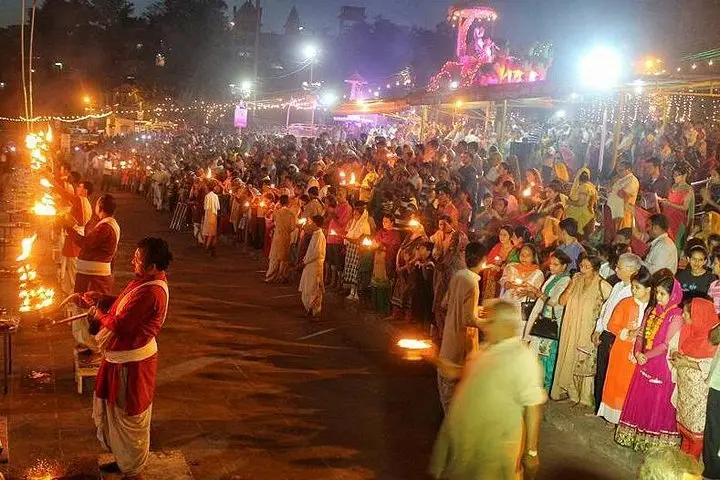
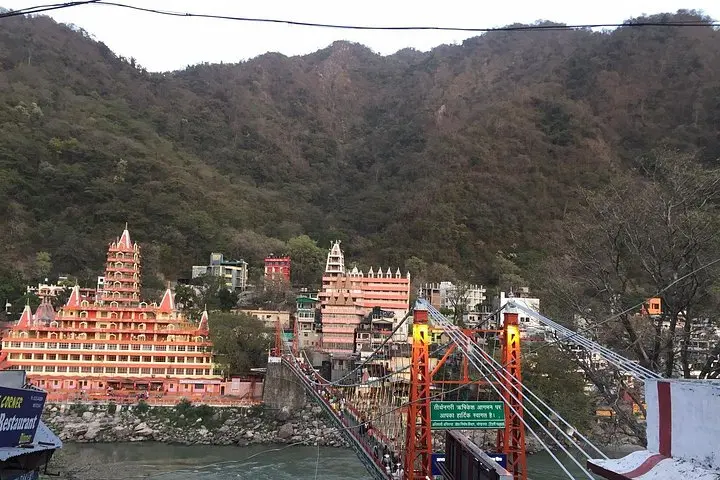
This three-day private drive from New Delhi threads the lower Himalaya’s Shivalik foothills into two of India’s most visited sacred towns. Haridwar marks the point the Ganges reaches the plains; its stone steps, evening aarti and hilltop temples (Mansa Devi, Chandi Devi) speak to centuries of devotional practice. Rishikesh, a short drive upstream, grew in the 20th century into a global yoga hub; its iron suspension bridges (Lakshman and Ram Jhula), ashrams and riverside satsangs reflect a living pilgrimage culture.
Geologically the route leaves the folded, young Himalaya to broader alluvial plains—expect steep short climbs to temple viewpoints and flat walks along the river. Local life orients around the Ganges: markets sell prasad and herbal teas; boatmen read the current; sadhus prepare for evening ritual.
Practical guide: the itinerary is low-impact walking with occasional steps and short cable-car rides; comfortable shoes and modest clothing are required for temple visits. Plan mornings for sightseeing to avoid midday heat and afternoons for yoga sessions or local markets. Carry a refillable water bottle, modest cash for stalls and a lightweight layer for hilltop breezes.
Respect temple rules, follow your guide’s directions at ghats and keep plastics out of the river—sustainable travel helps the Ganges and the communities that depend on it.
Yes — private AC car pickup and drop-off from New Delhi airport, railway station or hotels is included in the tour.
Cable car fares and temple donations are generally paid locally; the itinerary describes options but admission costs are often not included.
The tour is labeled easy, but many temples and ghats have steps; wheelchair access exists for transport but some sites require short walks or stairs.
Yes — the itinerary includes visits to yoga and meditation centers like Parmarth Niketan; organized classes may require separate fees or advance booking.
India Trekking Tours operates guided outdoor trips and adventures with an emphasis on safety, stewardship, and memorable experiences.
You arrive as the Ganges moves from mountain run to broad river—morning mist lifts from Har Ki Pauri and the ghats hum with sandalwood smoke and temple bells.
You arrive as the Ganges moves from mountain run to broad river—morning mist lifts from Har Ki Pauri and the ghats hum with sandalwood smoke and temple bells.
This three-day private drive from New Delhi threads the lower Himalaya’s Shivalik foothills into two of India’s most visited sacred towns. Haridwar marks the point the Ganges reaches the plains; its stone steps, evening aarti and hilltop temples (Mansa Devi, Chandi Devi) speak to centuries of devotional practice. Rishikesh, a short drive upstream, grew in the 20th century into a global yoga hub; its iron suspension bridges (Lakshman and Ram Jhula), ashrams and riverside satsangs reflect a living pilgrimage culture.
Geologically the route leaves the folded, young Himalaya to broader alluvial plains—expect steep short climbs to temple viewpoints and flat walks along the river. Local life orients around the Ganges: markets sell prasad and herbal teas; boatmen read the current; sadhus prepare for evening ritual.
Practical guide: the itinerary is low-impact walking with occasional steps and short cable-car rides; comfortable shoes and modest clothing are required for temple visits. Plan mornings for sightseeing to avoid midday heat and afternoons for yoga sessions or local markets. Carry a refillable water bottle, modest cash for stalls and a lightweight layer for hilltop breezes.
Respect temple rules, follow your guide’s directions at ghats and keep plastics out of the river—sustainable travel helps the Ganges and the communities that depend on it.