THE ADVENTURE COLLECTIVE® · Independent discovery and booking for outdoor travel

Explore Barbados’ inland contrast—Harrison’s Cave’s crystallized limestone caverns followed by the 350-year history and rum distillery at St. Nicholas Abbey. This short shared tour combines geology, culture and easy walking with hotel pickup and guided commentary.
Explore Barbados’ inland contrast—Harrison’s Cave’s crystallized limestone caverns followed by the 350-year history and rum distillery at St. Nicholas Abbey. This short shared tour combines geology, culture and easy walking with hotel pickup and guided commentary.
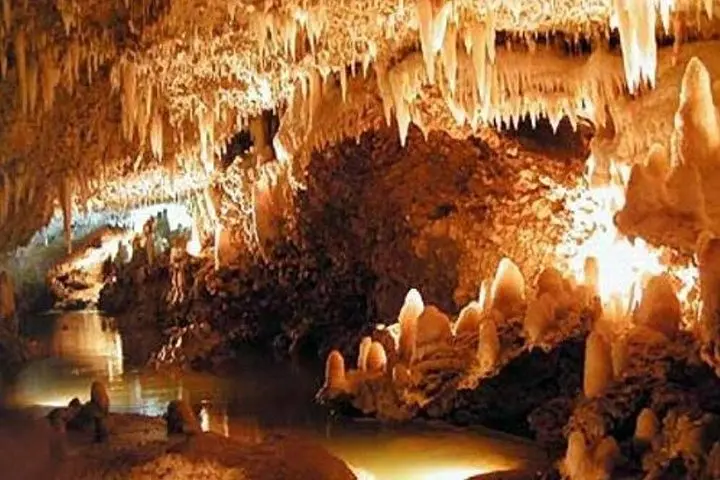
You step out of an air-conditioned van into the cool hush of Barbados’ central uplands; damp limestone exhales around you as the tram slides into Harrison’s Cave. Water has been the cave’s sculptor for millennia—ribbons of clear pools, flowstones and towering columns catching the beam of the guide’s light as the tram curves past drips and mineral-white formations.
Verified experiences and guided adventures in the surrounding area.
Operated by Rcr Tours · Bridgetown, Saint Thomas
You step out of an air-conditioned van into the cool hush of Barbados’ central uplands; damp limestone exhales around you as the tram slides into Harrison’s Cave. Water has been the cave’s sculptor for millennia—ribbons of clear pools, flowstones and towering columns catching the beam of the guide’s light as the tram curves past drips and mineral-white formations.
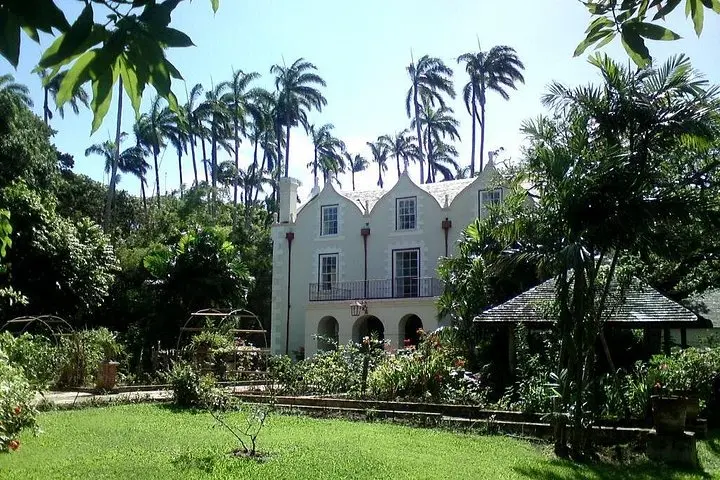
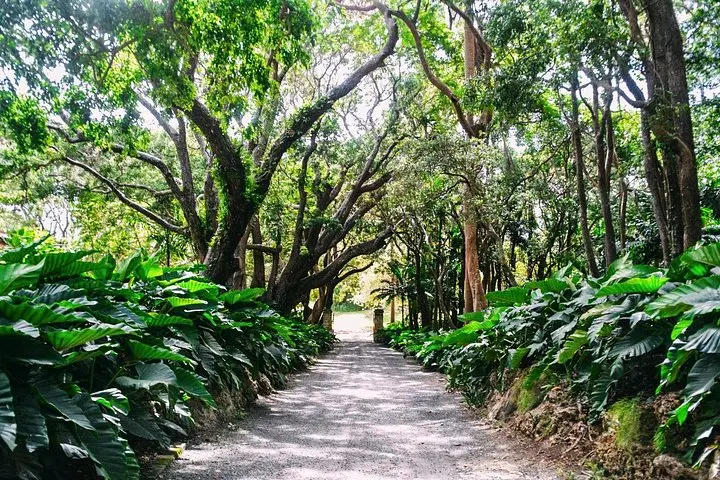
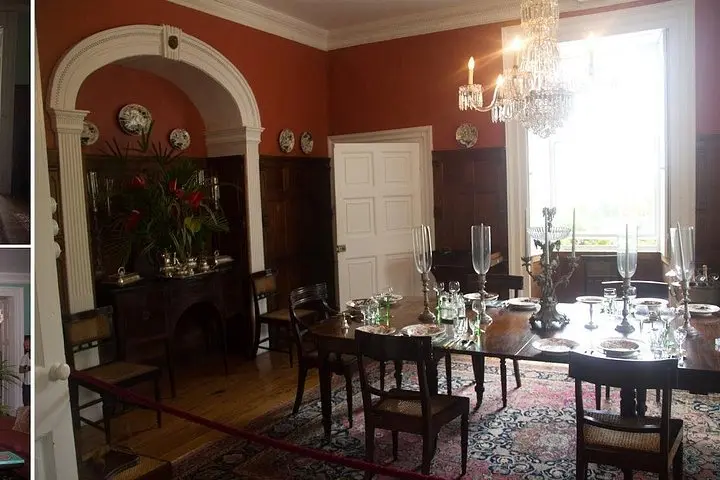
Later the van climbs toward St. Nicholas Abbey, where colonial brickwork and mahogany floors recall a 350-year plantation history. The great house carries artifacts of plantation life; the adjacent boiling house and small rum distillery make clear how cane, water and craft built the island’s economy.
Geology and history meet on this half-day route: Barbados’ coral limestone uplands host karst caves formed by freshwater erosion, while the plantation landscape speaks to sugar, slavery and later preservation efforts. Guides typically weave natural science with cultural context—expect stories about cave formation, the abbey’s restoration, and the local role of rum production.
Practical notes: tours run about 4–4.5 hours with round-trip shared transfer; dress smart-casual but bring sturdy, closed-toe shoes for the cave tram exit paths and slightly uneven plantation grounds. Bring a lightweight rain layer—tropical downpours are common—and a refillable water bottle. The experience balances easy walking with high-impact sights: a cave’s ancient calm and a plantation’s living history, all within a short drive of Bridgetown.
The tour is about 4–4.5 hours and includes round-trip shared transfer by air-conditioned van, entry and guided tours of Harrison’s Cave and St. Nicholas Abbey, plus a rum tasting.
Yes—this is rated easy. Infants may need to sit on laps for transit; paths are generally accessible but discuss mobility needs with the operator when booking.
Photography is typically allowed; flash photography may be discouraged in certain cave chambers to protect formations—follow your guide’s instructions.
Yes, structured pickup locations and times are provided at confirmation; pickup from cruise terminals is often possible—confirm your pickup point when booking.
Rcr Tours operates guided outdoor trips and adventures with an emphasis on safety, stewardship, and memorable experiences.
You step out of an air-conditioned van into the cool hush of Barbados’ central uplands; damp limestone exhales around you as the tram slides into Harrison’s Cave. Water has been the cave’s sculptor for millennia—ribbons of clear pools, flowstones and towering columns catching the beam of the guide’s light as the tram curves past drips and mineral-white formations.
You step out of an air-conditioned van into the cool hush of Barbados’ central uplands; damp limestone exhales around you as the tram slides into Harrison’s Cave. Water has been the cave’s sculptor for millennia—ribbons of clear pools, flowstones and towering columns catching the beam of the guide’s light as the tram curves past drips and mineral-white formations.
Later the van climbs toward St. Nicholas Abbey, where colonial brickwork and mahogany floors recall a 350-year plantation history. The great house carries artifacts of plantation life; the adjacent boiling house and small rum distillery make clear how cane, water and craft built the island’s economy.
Geology and history meet on this half-day route: Barbados’ coral limestone uplands host karst caves formed by freshwater erosion, while the plantation landscape speaks to sugar, slavery and later preservation efforts. Guides typically weave natural science with cultural context—expect stories about cave formation, the abbey’s restoration, and the local role of rum production.
Practical notes: tours run about 4–4.5 hours with round-trip shared transfer; dress smart-casual but bring sturdy, closed-toe shoes for the cave tram exit paths and slightly uneven plantation grounds. Bring a lightweight rain layer—tropical downpours are common—and a refillable water bottle. The experience balances easy walking with high-impact sights: a cave’s ancient calm and a plantation’s living history, all within a short drive of Bridgetown.