THE ADVENTURE COLLECTIVE® · Independent discovery and booking for outdoor travel

Walk Hatikva Market with a local guide and taste Iraqi pita, kubana, shawarma, and burekas while learning the neighborhood’s immigrant food history. This half-day tasting mixes demonstrations, small-plate samplings, and vendor stories for a lively, accessible culinary introduction to Tel Aviv.
Walk Hatikva Market with a local guide and taste Iraqi pita, kubana, shawarma, and burekas while learning the neighborhood’s immigrant food history. This half-day tasting mixes demonstrations, small-plate samplings, and vendor stories for a lively, accessible culinary introduction to Tel Aviv.
A narrow alley opens up to a chorus of hissing grills, sacks of spices, and the steady slap of dough against a wooden board. On a half-day guided tasting through Hatikva Market, the air fills with toasted sesame and cumin while bakers shape Iraqi pita and vendors pile bright herbs and olives on small plates for passing visitors.
Verified experiences and guided adventures in the surrounding area.
Operated by GuidedLocal · Tel Aviv-Yafo, Tel Aviv District
A narrow alley opens up to a chorus of hissing grills, sacks of spices, and the steady slap of dough against a wooden board. On a half-day guided tasting through Hatikva Market, the air fills with toasted sesame and cumin while bakers shape Iraqi pita and vendors pile bright herbs and olives on small plates for passing visitors.
Hatikva is part neighborhood market, part living archive. The market grew as Tel Aviv expanded in the 20th century, shaped by waves of immigrants—Yemeni, Iraqi, Eastern European—whose recipes turned stalls into informal culinary classrooms. Geologically, the market sits on the coastal plain of the Mediterranean, where sandy soil and a temperate climate inform the region’s produce: citrus, tomatoes, and fresh herbs appear year-round.
Culturally the tour is as much about conversation as consumption; guides explain how shawarma and burekas became local staples and demonstrate traditional techniques like rolling kubaneh. Expect hands-on moments—pinching dough, sampling sauces—and a chance to ask vendors about family recipes.
Practical notes: the tour covers 2–3 hours and moves at a relaxed pedestrian pace over uneven paving. Bring a reusable water bottle, small bills for purchases, and light layers—the sun can be brisk in winter and intense in summer. If you have food allergies, mention them when booking; many vendors will adapt or point you to suitable alternatives. This is an urban walking experience: lively, sensory, and best enjoyed with an appetite and curiosity for the stories behind each bite.
The experience runs about 2½ hours (approximately 150 minutes) and moves at a relaxed walking pace through the market.
Yes—families are welcome; the route is stroller-accessible in most parts, though some alleys are crowded.
Yes—notify the operator at booking and again to the guide on arrival; many vendors will provide alternatives or point out safe options.
Meeting details are provided at booking; Hatikva Market is served by local buses and is a short taxi ride from central Tel Aviv-Yafo.
GuidedLocal operates guided outdoor trips and adventures with an emphasis on safety, stewardship, and memorable experiences.
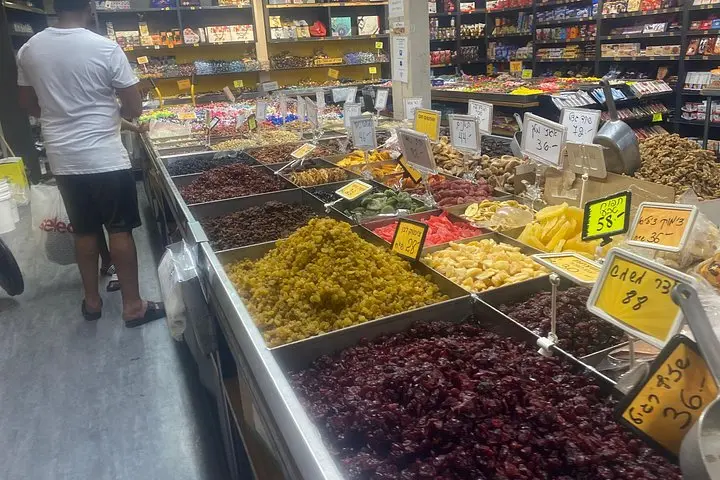
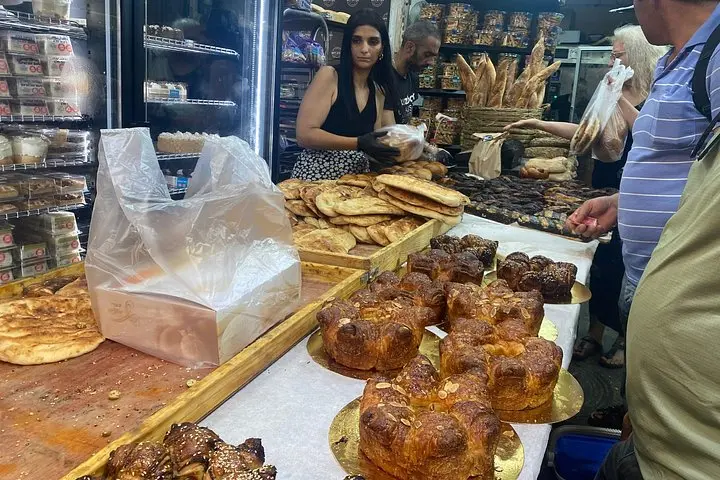
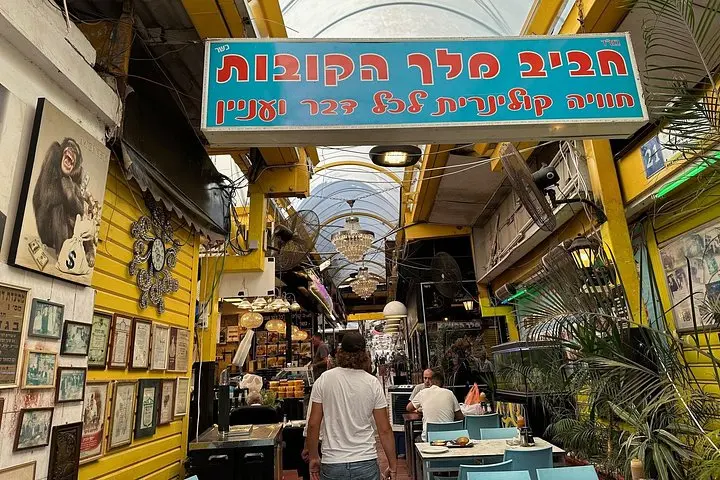
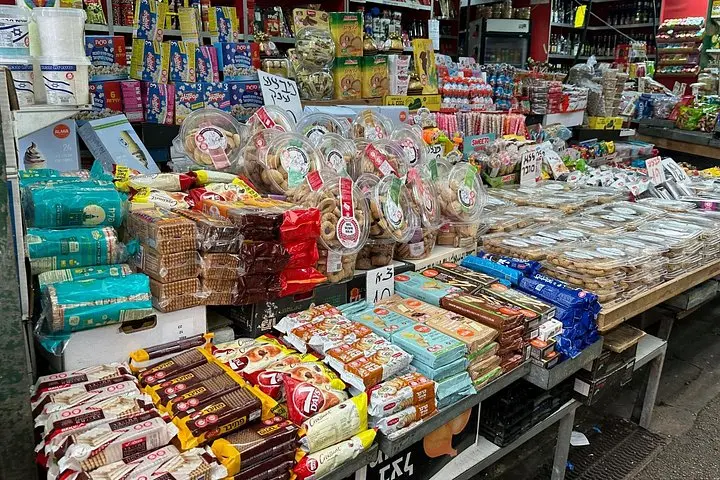
A narrow alley opens up to a chorus of hissing grills, sacks of spices, and the steady slap of dough against a wooden board. On a half-day guided tasting through Hatikva Market, the air fills with toasted sesame and cumin while bakers shape Iraqi pita and vendors pile bright herbs and olives on small plates for passing visitors.
A narrow alley opens up to a chorus of hissing grills, sacks of spices, and the steady slap of dough against a wooden board. On a half-day guided tasting through Hatikva Market, the air fills with toasted sesame and cumin while bakers shape Iraqi pita and vendors pile bright herbs and olives on small plates for passing visitors.
Hatikva is part neighborhood market, part living archive. The market grew as Tel Aviv expanded in the 20th century, shaped by waves of immigrants—Yemeni, Iraqi, Eastern European—whose recipes turned stalls into informal culinary classrooms. Geologically, the market sits on the coastal plain of the Mediterranean, where sandy soil and a temperate climate inform the region’s produce: citrus, tomatoes, and fresh herbs appear year-round.
Culturally the tour is as much about conversation as consumption; guides explain how shawarma and burekas became local staples and demonstrate traditional techniques like rolling kubaneh. Expect hands-on moments—pinching dough, sampling sauces—and a chance to ask vendors about family recipes.
Practical notes: the tour covers 2–3 hours and moves at a relaxed pedestrian pace over uneven paving. Bring a reusable water bottle, small bills for purchases, and light layers—the sun can be brisk in winter and intense in summer. If you have food allergies, mention them when booking; many vendors will adapt or point you to suitable alternatives. This is an urban walking experience: lively, sensory, and best enjoyed with an appetite and curiosity for the stories behind each bite.