THE ADVENTURE COLLECTIVE® · Independent discovery and booking for outdoor travel

Walk the French Quarter after dusk with guides who mix documented history, local lore, and hands-on paranormal tools. This 1–2 hour tour moves through Lafitte’s courtyard, St. Anthony’s Garden, and other storied sites to explore voodoo, unsolved deaths, and vampire legends with practical context and neighborhood respect.
Walk the French Quarter after dusk with guides who mix documented history, local lore, and hands-on paranormal tools. This 1–2 hour tour moves through Lafitte’s courtyard, St. Anthony’s Garden, and other storied sites to explore voodoo, unsolved deaths, and vampire legends with practical context and neighborhood respect.
The night presses close on Bourbon Street: neon hums, a distant brass band fades, and the guide's silhouette divides the courtyard light from the shadowed alley. Guests gather at the gate of Lafitte's Blacksmith Shop, where the bricks remember rum and gunpowder and a pirate's name. From that first step the city changes tone—masonry seems to breathe, shutters keep secrets, and even the Mississippi, two blocks away, feels like it is nudging stories upriver.
Verified experiences and guided adventures in the surrounding area.
Operated by New Orleans Drunk History Tours • Show Me New Orleans Tours · New Orleans, Louisiana
The night presses close on Bourbon Street: neon hums, a distant brass band fades, and the guide's silhouette divides the courtyard light from the shadowed alley. Guests gather at the gate of Lafitte's Blacksmith Shop, where the bricks remember rum and gunpowder and a pirate's name. From that first step the city changes tone—masonry seems to breathe, shutters keep secrets, and even the Mississippi, two blocks away, feels like it is nudging stories upriver.
This two-hour walking tour threads the French Quarter's oldest blocks, stopping at places that wear history raw. Guides explain St. Louis Cathedral's long arc—the oldest continuously operating Catholic cathedral in the U.S.—and point out St. Anthony's Garden, a quiet square where grief and ritual folded together long before tourism made tragedy a spectacle. The city’s geology—soft delta soils and the levee line that keeps the river at bay—shaped settlement patterns and, with them, the narrow streets that trap stories and shadow alike.
Voodoo, as presented here, is cultural practice and urban folklore: the tour separates myth from lived tradition while describing figures like Marie Laveau and the priestly efforts to confront alleged nocturnal predators and “vampires.” Guides use an EMF meter and other detectors, offering a modern counterpoint to centuries of rumor. The experience balances theatricality and local research; this is a storytelling walk through neighborhoods that remain residential, not theme parks.
Practical realities matter on a haunted street. The Quarter's sidewalks are old and uneven; heels or flimsy soles make ghost-hunting a poor plan. Many stops are near busy bars—expect crowds, noise, and occasional waits. The tour is rain-or-shine and moves at a moderate pace: participants should be able to stand, walk for up to two hours, and follow instructions about staying with the group and respecting private property.
Tips for getting the most out of the night: arrive early to check in at the courtyard gate and lock up gear before the tour departs; bring a compact flashlight for stairs and alleys; keep photos to handheld stills (video and audio recording are prohibited); and respect the neighborhood—don’t ring doorbells or trespass.
For travelers who like atmosphere with context, this tour delivers a clear-eyed look at New Orleans’ darker narratives—rooted in history, energized by local color, and conducted with a pragmatic eye toward safety and neighborhood preservation. Whether or not your EMF meter spikes, you walk away with a sharper sense of how the city’s past and present keep rubbing up against one another after dark.
Children may join if accompanied by an adult, but some bar stops do not permit minors; check with the guide in advance.
The tour listing states wheelchair accessible, but guests should contact the operator beforehand about individual mobility needs and route adjustments.
No—there is no guarantee of paranormal sightings; the tour presents stories, historical research, and uses detection devices for entertainment and investigation.
No—audio and video recordings of narrations are prohibited. Still photography is allowed and encouraged.
All sales are final. The operator may cancel for insufficient participants or weather and will offer a reschedule or refund in those cases only.
Meet on the sidewalk at the gate of the courtyard attached to Lafitte's Blacksmith Shop Bar, 941 Bourbon Street; tours do not meet inside the bar.
New Orleans Drunk History Tours • Show Me New Orleans Tours operates guided outdoor trips and adventures with an emphasis on safety, stewardship, and memorable experiences.
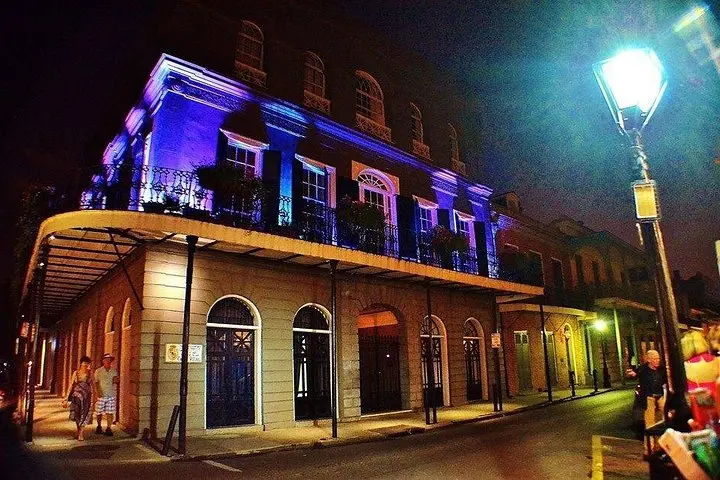
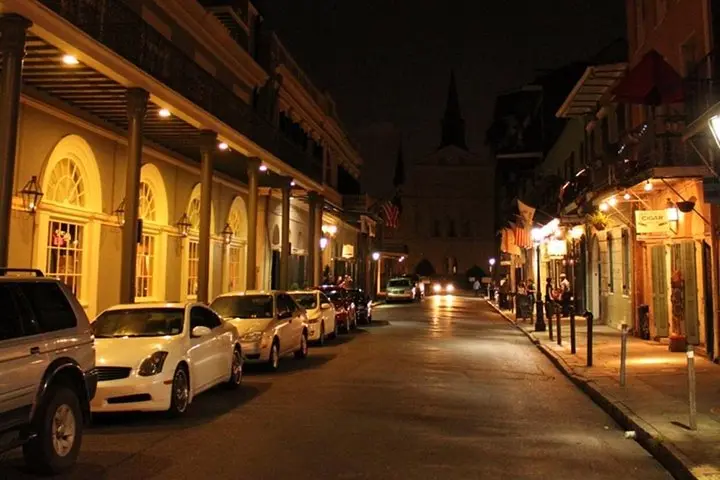
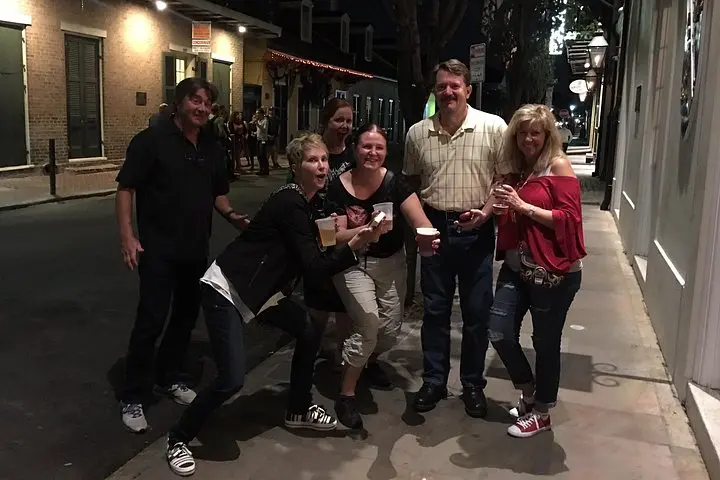
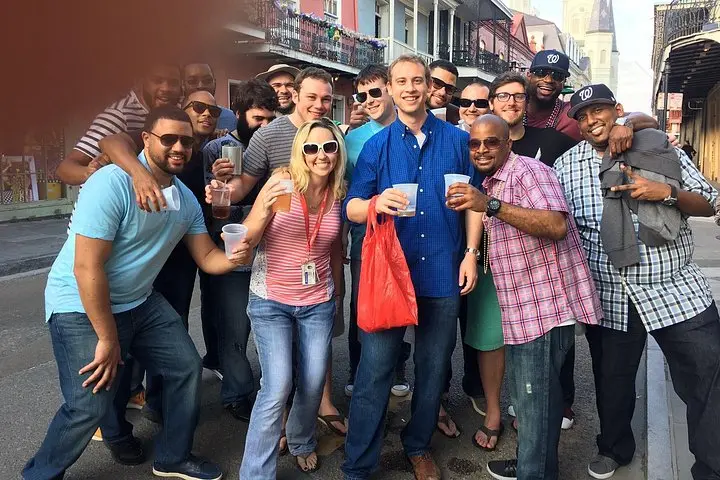
The night presses close on Bourbon Street: neon hums, a distant brass band fades, and the guide's silhouette divides the courtyard light from the shadowed alley. Guests gather at the gate of Lafitte's Blacksmith Shop, where the bricks remember rum and gunpowder and a pirate's name. From that first step the city changes tone—masonry seems to breathe, shutters keep secrets, and even the Mississippi, two blocks away, feels like it is nudging stories upriver.
The night presses close on Bourbon Street: neon hums, a distant brass band fades, and the guide's silhouette divides the courtyard light from the shadowed alley. Guests gather at the gate of Lafitte's Blacksmith Shop, where the bricks remember rum and gunpowder and a pirate's name. From that first step the city changes tone—masonry seems to breathe, shutters keep secrets, and even the Mississippi, two blocks away, feels like it is nudging stories upriver.
This two-hour walking tour threads the French Quarter's oldest blocks, stopping at places that wear history raw. Guides explain St. Louis Cathedral's long arc—the oldest continuously operating Catholic cathedral in the U.S.—and point out St. Anthony's Garden, a quiet square where grief and ritual folded together long before tourism made tragedy a spectacle. The city’s geology—soft delta soils and the levee line that keeps the river at bay—shaped settlement patterns and, with them, the narrow streets that trap stories and shadow alike.
Voodoo, as presented here, is cultural practice and urban folklore: the tour separates myth from lived tradition while describing figures like Marie Laveau and the priestly efforts to confront alleged nocturnal predators and “vampires.” Guides use an EMF meter and other detectors, offering a modern counterpoint to centuries of rumor. The experience balances theatricality and local research; this is a storytelling walk through neighborhoods that remain residential, not theme parks.
Practical realities matter on a haunted street. The Quarter's sidewalks are old and uneven; heels or flimsy soles make ghost-hunting a poor plan. Many stops are near busy bars—expect crowds, noise, and occasional waits. The tour is rain-or-shine and moves at a moderate pace: participants should be able to stand, walk for up to two hours, and follow instructions about staying with the group and respecting private property.
Tips for getting the most out of the night: arrive early to check in at the courtyard gate and lock up gear before the tour departs; bring a compact flashlight for stairs and alleys; keep photos to handheld stills (video and audio recording are prohibited); and respect the neighborhood—don’t ring doorbells or trespass.
For travelers who like atmosphere with context, this tour delivers a clear-eyed look at New Orleans’ darker narratives—rooted in history, energized by local color, and conducted with a pragmatic eye toward safety and neighborhood preservation. Whether or not your EMF meter spikes, you walk away with a sharper sense of how the city’s past and present keep rubbing up against one another after dark.