THE ADVENTURE COLLECTIVE® · Independent discovery and booking for outdoor travel

Walk the routes of history and legend on a five-day Halloween tour through Transylvania—from Poienari’s stair-clad ruin to Bran Castle’s ramparts and Sighișoara’s clock tower. This guided small-group trip blends medieval architecture, Carpathian landscapes, and practical advice for night visits and steep climbs.
Walk the routes of history and legend on a five-day Halloween tour through Transylvania—from Poienari’s stair-clad ruin to Bran Castle’s ramparts and Sighișoara’s clock tower. This guided small-group trip blends medieval architecture, Carpathian landscapes, and practical advice for night visits and steep climbs.
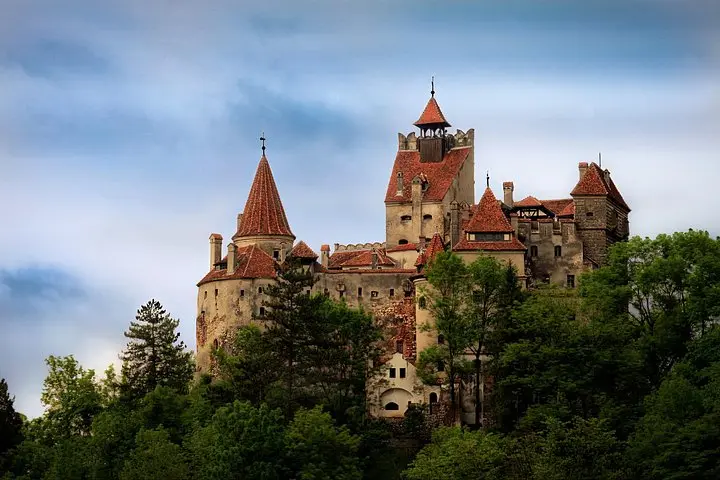
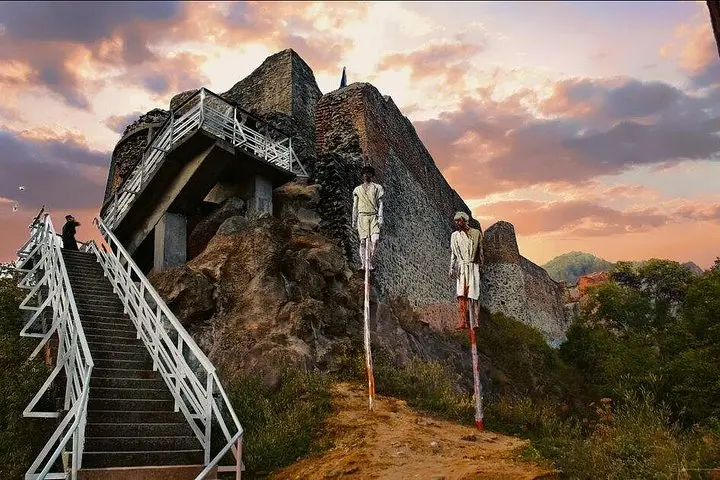
Fog drifts low through a beechwood as the minivan threads the Olt Valley, and the guide points to a crumbling fort half-swallowed by slope and vine. Travelers on this five-day route move between living medieval towns and ruined strongholds—Poienari’s 1,480 concrete steps to an 850 m perch, Bran’s tiered ramparts, and the crooked lanes of Sighișoara—each stop carrying the footprints of Vlad Țepeș and the layered history of Wallachia and Transylvania.
Verified experiences and guided adventures in the surrounding area.
Operated by Acvila Tour · Bran, Brașov County
Fog drifts low through a beechwood as the minivan threads the Olt Valley, and the guide points to a crumbling fort half-swallowed by slope and vine. Travelers on this five-day route move between living medieval towns and ruined strongholds—Poienari’s 1,480 concrete steps to an 850 m perch, Bran’s tiered ramparts, and the crooked lanes of Sighișoara—each stop carrying the footprints of Vlad Țepeș and the layered history of Wallachia and Transylvania.
Geology here is muscular: the southern Carpathians rise abrupt and stony, carving river valleys that funneled trade and armies for centuries. Cultural oddities—Saxon fortified churches, covered wooden staircases (the Scholars’ Stairs has 178 steps), Ottoman-era relics and Habsburg baroque—explain why these towns guarded both goods and collective memory.
Expect a balanced itinerary: roadside drives through the Olt gorge, guided climbs at Poienari, night access to Bran Castle, and UNESCO-listed Sighișoara’s clock tower. Locals still sell forest berries and sheep cheeses at market stalls; small guesthouses offer hearth-warm dinners and tuică after an evening briefing on the legends.
Practical notes: wear sturdy shoes for cobbles and steep staircases, layer for sharp autumn temperature swings, and carry a headlamp for dark castle approaches. Guides handle logistics and many admissions; bring passport copies, some cash for small purchases, and moderate fitness for repeated stairs and walking tours. The tour pairs history with hands-on terrain—perfect for travelers who want stories told where they actually happened.
The tour typically begins and ends in Bucharest with private transport to and from Transylvania; exact pickup points are confirmed at booking.
Bran Castle is linked to the Dracula legend more through tourism and regional lore than firm historical residence by Vlad Țepeș, though the castle’s setting and medieval architecture fuel the myth.
The itinerary includes steep staircases (Poienari’s 1,480 steps and the Scholars' Stairs of 178 steps) and uneven surfaces, so it is not recommended for travelers with limited mobility.
Guides generally conduct tours in English; check at booking for language options or private guide requests.
Acvila Tour operates guided outdoor trips and adventures with an emphasis on safety, stewardship, and memorable experiences.
Fog drifts low through a beechwood as the minivan threads the Olt Valley, and the guide points to a crumbling fort half-swallowed by slope and vine. Travelers on this five-day route move between living medieval towns and ruined strongholds—Poienari’s 1,480 concrete steps to an 850 m perch, Bran’s tiered ramparts, and the crooked lanes of Sighișoara—each stop carrying the footprints of Vlad Țepeș and the layered history of Wallachia and Transylvania.
Fog drifts low through a beechwood as the minivan threads the Olt Valley, and the guide points to a crumbling fort half-swallowed by slope and vine. Travelers on this five-day route move between living medieval towns and ruined strongholds—Poienari’s 1,480 concrete steps to an 850 m perch, Bran’s tiered ramparts, and the crooked lanes of Sighișoara—each stop carrying the footprints of Vlad Țepeș and the layered history of Wallachia and Transylvania.
Geology here is muscular: the southern Carpathians rise abrupt and stony, carving river valleys that funneled trade and armies for centuries. Cultural oddities—Saxon fortified churches, covered wooden staircases (the Scholars’ Stairs has 178 steps), Ottoman-era relics and Habsburg baroque—explain why these towns guarded both goods and collective memory.
Expect a balanced itinerary: roadside drives through the Olt gorge, guided climbs at Poienari, night access to Bran Castle, and UNESCO-listed Sighișoara’s clock tower. Locals still sell forest berries and sheep cheeses at market stalls; small guesthouses offer hearth-warm dinners and tuică after an evening briefing on the legends.
Practical notes: wear sturdy shoes for cobbles and steep staircases, layer for sharp autumn temperature swings, and carry a headlamp for dark castle approaches. Guides handle logistics and many admissions; bring passport copies, some cash for small purchases, and moderate fitness for repeated stairs and walking tours. The tour pairs history with hands-on terrain—perfect for travelers who want stories told where they actually happened.