THE ADVENTURE COLLECTIVE® · Independent discovery and booking for outdoor travel

Step into the lantern-lit streets of Chickamauga for a two-hour walking tour that blends Civil War history, Cherokee roots, and midnight folklore. Hear battlefield accounts and local legends while visiting Crawfish Spring and the storied Gordon Lee Mansion.
Step into the lantern-lit streets of Chickamauga for a two-hour walking tour that blends Civil War history, Cherokee roots, and midnight folklore. Hear battlefield accounts and local legends while visiting Crawfish Spring and the storied Gordon Lee Mansion.
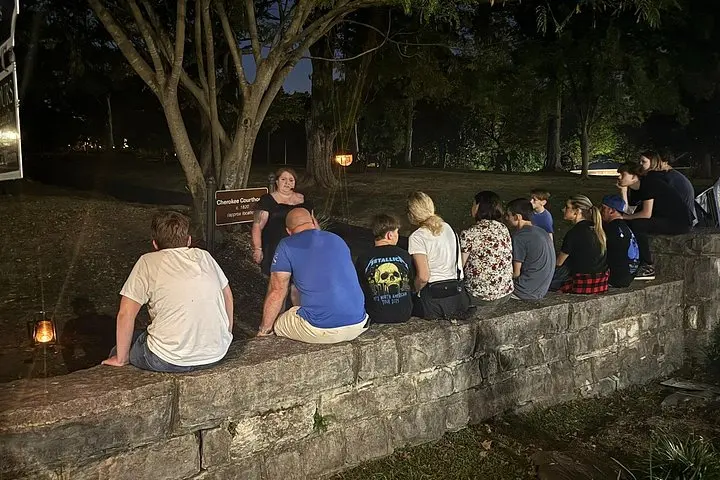
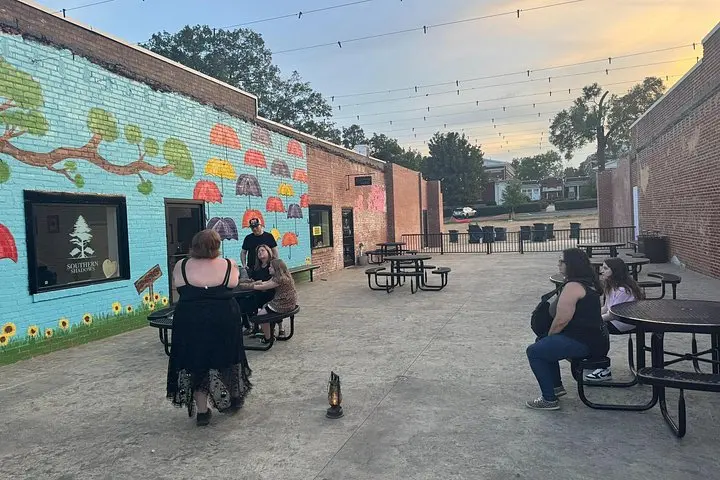
The lantern's glow slices through cooling Georgia air as a small group steps off Gordon Street and into a past that still hums underfoot. Brick storefronts darken into silhouettes, the old railroad creaks in the distance, and Crawfish Spring—once a freshwater source for Cherokee villages and Civil War troops—offers a quiet, reflective pause where history and legend meet.
Verified experiences and guided adventures in the surrounding area.
Operated by Southern Shadows Inc. · Chickamauga, Georgia
The lantern's glow slices through cooling Georgia air as a small group steps off Gordon Street and into a past that still hums underfoot. Brick storefronts darken into silhouettes, the old railroad creaks in the distance, and Crawfish Spring—once a freshwater source for Cherokee villages and Civil War troops—offers a quiet, reflective pause where history and legend meet.
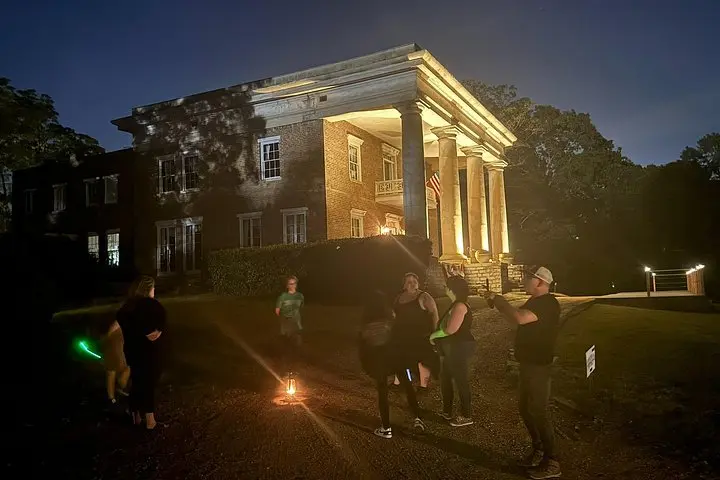
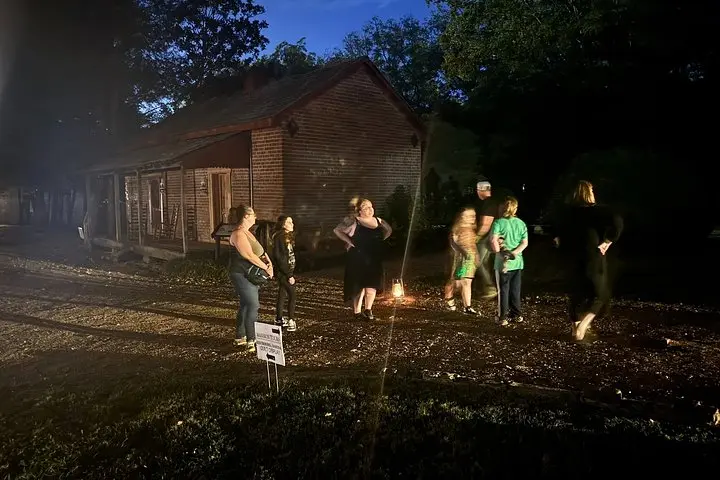
This two-hour evening walk threads Civil War history, local Cherokee context, and Appalachian folklore. Guides point to sites used as field hospitals and regimental encampments from the Battle of Chickamauga, the second-deadliest battle of the war, and recount documented incidents alongside oral traditions like sightings of the Ol’ Green Eyes cryptid. The Gordon Lee Mansion appears as a final tableau: pre-war architecture that became military headquarters and a makeshift hospital, its rooms folded into stories of loss and lingering presence.
Geology here is low ridges and spring-fed streams carved into the valley of Lookout Mountain; the landscape guided troop movements and the town’s 19th-century growth. Culturally, Chickamauga blends Southern small-town rhythms with a strong sense of place tied to both Cherokee heritage and Civil War memory.
Practical guidance: the walk is flat and accessible but takes place after dark—bring sturdy shoes, a charged phone or headlamp, and a warm layer. Expect 1.5–2 miles of walking, stop-and-listen storytelling, and opportunities to photograph historic exteriors. Tours use lantern light and occasional ghost-hunting tools; sensitivity to private property and local residents is emphasized. For a safe, engaging night tour, arrive early to park and dress for variable evening temperatures.
Yes—strollers are allowed and the route is physically easy, but content includes wartime deaths and ghost stories; parental discretion is advised.
Service animals are allowed; pets should remain at home as the tour passes residential areas and may include startling moments.
Much of downtown is flat and accessible, but some brick sections and uneven surfaces may be challenging—contact the operator in advance to discuss accommodations.
Photography is welcome, though guides may request lights be dimmed during storytelling to preserve atmosphere and respect neighbors.
Southern Shadows Inc. operates guided outdoor trips and adventures with an emphasis on safety, stewardship, and memorable experiences.
The lantern's glow slices through cooling Georgia air as a small group steps off Gordon Street and into a past that still hums underfoot. Brick storefronts darken into silhouettes, the old railroad creaks in the distance, and Crawfish Spring—once a freshwater source for Cherokee villages and Civil War troops—offers a quiet, reflective pause where history and legend meet.
The lantern's glow slices through cooling Georgia air as a small group steps off Gordon Street and into a past that still hums underfoot. Brick storefronts darken into silhouettes, the old railroad creaks in the distance, and Crawfish Spring—once a freshwater source for Cherokee villages and Civil War troops—offers a quiet, reflective pause where history and legend meet.
This two-hour evening walk threads Civil War history, local Cherokee context, and Appalachian folklore. Guides point to sites used as field hospitals and regimental encampments from the Battle of Chickamauga, the second-deadliest battle of the war, and recount documented incidents alongside oral traditions like sightings of the Ol’ Green Eyes cryptid. The Gordon Lee Mansion appears as a final tableau: pre-war architecture that became military headquarters and a makeshift hospital, its rooms folded into stories of loss and lingering presence.
Geology here is low ridges and spring-fed streams carved into the valley of Lookout Mountain; the landscape guided troop movements and the town’s 19th-century growth. Culturally, Chickamauga blends Southern small-town rhythms with a strong sense of place tied to both Cherokee heritage and Civil War memory.
Practical guidance: the walk is flat and accessible but takes place after dark—bring sturdy shoes, a charged phone or headlamp, and a warm layer. Expect 1.5–2 miles of walking, stop-and-listen storytelling, and opportunities to photograph historic exteriors. Tours use lantern light and occasional ghost-hunting tools; sensitivity to private property and local residents is emphasized. For a safe, engaging night tour, arrive early to park and dress for variable evening temperatures.