THE ADVENTURE COLLECTIVE® · Independent discovery and booking for outdoor travel

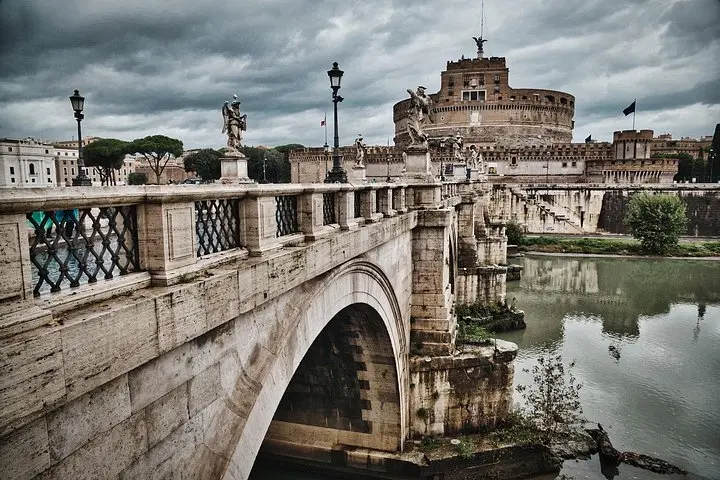
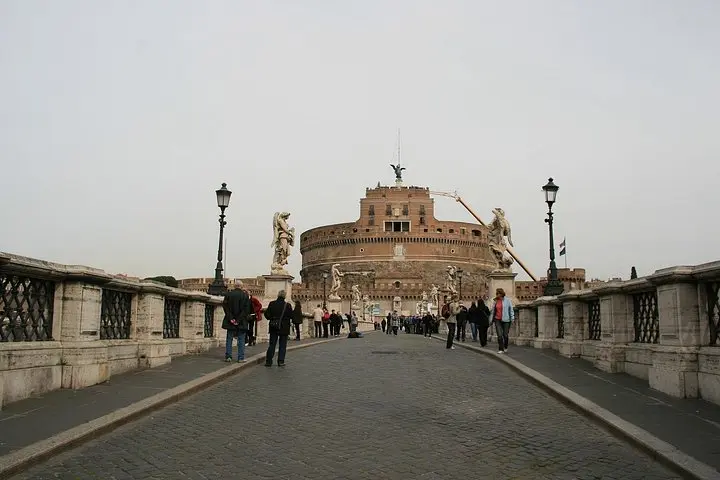
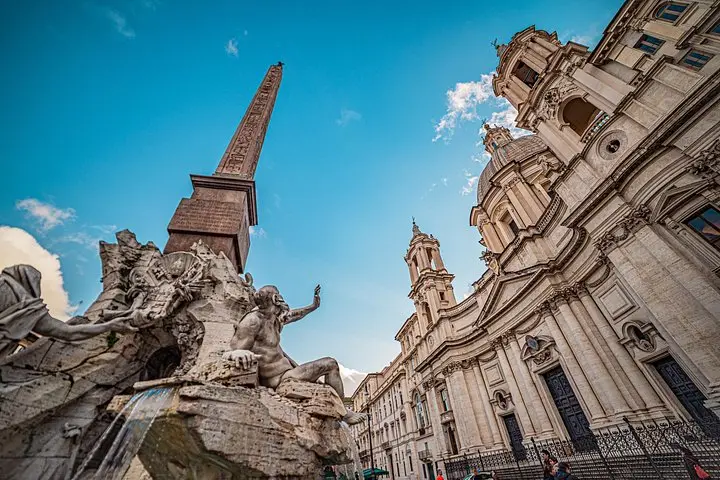
Walk Rome’s shadowed streets and listen to tales of execution, exile, and restless souls. This two-hour guided ghost walk visits Castel Sant’Angelo, Piazza Navona, Campo de’ Fiori and Piazza Farnese — blending history with eerie local lore.
Walk Rome’s shadowed streets and listen to tales of execution, exile, and restless souls. This two-hour guided ghost walk visits Castel Sant’Angelo, Piazza Navona, Campo de’ Fiori and Piazza Farnese — blending history with eerie local lore.
The tour begins as daylight thins and the city’s stones take on a cooler voice — alleys tighten, lamp light pools on cobblestones and the Tiber dares you to follow its curve toward the past.
Verified experiences and guided adventures in the surrounding area.
Operated by White Travel Tours · Rome, Lazio
The tour begins as daylight thins and the city’s stones take on a cooler voice — alleys tighten, lamp light pools on cobblestones and the Tiber dares you to follow its curve toward the past.
You move from St. Peter’s Square across to Castel Sant’Angelo, a mausoleum turned fortress whose ramparts have kept both popes and prisoners. Guides unpack stories: Beatrice Cenci’s tragic end, public executions at Campo de’ Fiori, and the gossiping fountains of Piazza Navona carved by Baroque hands. Rome’s history here reads like layers of masonry — Republican roads buried beneath Medieval walls, Renaissance palaces reusing ancient blocks — a geological palimpsest where human events are the strata.
Cultural notes surface in the details: the papal corridors that once skirted the river, the role of public squares as stages for power, and the city’s taste for dramatic storytelling. Expect immersive storytelling more than staged scares; this is a history-rich ghost walk that uses place as its prop.
Practically, the tour lasts roughly two hours on flat but uneven cobbles and includes close-quarter walking through lit streets. Small groups mean frequent stops and Q&A. Dress in sturdy shoes and layers, carry a charged phone-light, and be ready for narrow alleys and sudden steps. Keep valuables secure — central Rome is crowded at night — and allow extra time if you want to linger at a piazza after the guide departs.
This walk suits curious travelers who want history flavored with the macabre, not adrenaline-driven haunt hunts.
Meeting locations are in central Rome (often near St. Peter’s Square); arrive 10–15 minutes early to check in with the guide.
The tour is family-friendly but includes tales of executions and tragic history; parental discretion is advised for young children.
Much of the route is on cobblestone and includes narrow passages; it may not be suitable for guests with limited mobility—contact the operator for specific arrangements.
Guides are professional and usually provide the tour in English; confirm language availability when booking.
White Travel Tours operates guided outdoor trips and adventures with an emphasis on safety, stewardship, and memorable experiences.

The tour begins as daylight thins and the city’s stones take on a cooler voice — alleys tighten, lamp light pools on cobblestones and the Tiber dares you to follow its curve toward the past.
The tour begins as daylight thins and the city’s stones take on a cooler voice — alleys tighten, lamp light pools on cobblestones and the Tiber dares you to follow its curve toward the past.
You move from St. Peter’s Square across to Castel Sant’Angelo, a mausoleum turned fortress whose ramparts have kept both popes and prisoners. Guides unpack stories: Beatrice Cenci’s tragic end, public executions at Campo de’ Fiori, and the gossiping fountains of Piazza Navona carved by Baroque hands. Rome’s history here reads like layers of masonry — Republican roads buried beneath Medieval walls, Renaissance palaces reusing ancient blocks — a geological palimpsest where human events are the strata.
Cultural notes surface in the details: the papal corridors that once skirted the river, the role of public squares as stages for power, and the city’s taste for dramatic storytelling. Expect immersive storytelling more than staged scares; this is a history-rich ghost walk that uses place as its prop.
Practically, the tour lasts roughly two hours on flat but uneven cobbles and includes close-quarter walking through lit streets. Small groups mean frequent stops and Q&A. Dress in sturdy shoes and layers, carry a charged phone-light, and be ready for narrow alleys and sudden steps. Keep valuables secure — central Rome is crowded at night — and allow extra time if you want to linger at a piazza after the guide departs.
This walk suits curious travelers who want history flavored with the macabre, not adrenaline-driven haunt hunts.