THE ADVENTURE COLLECTIVE® · Independent discovery and booking for outdoor travel

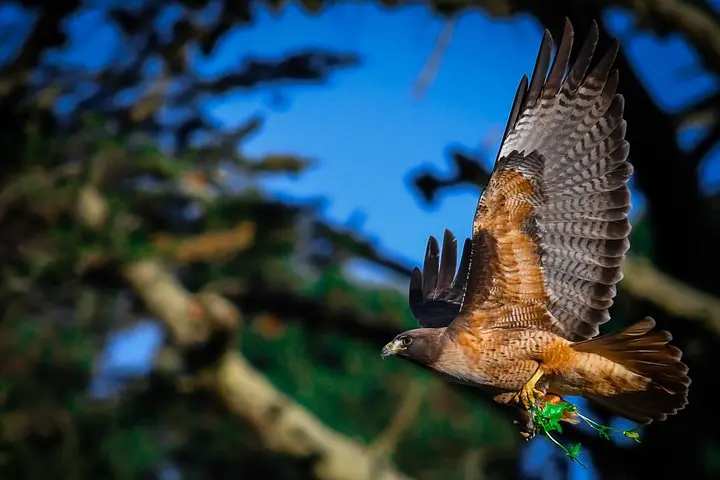
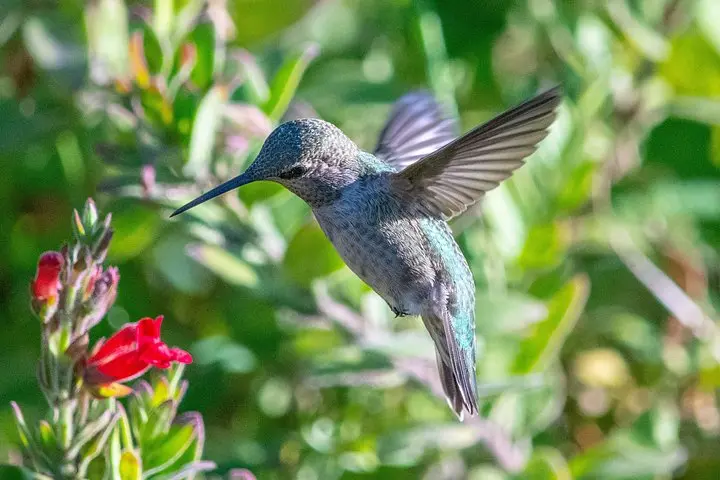
Spend 90 minutes with a local guide exploring Golden Gate Park’s birdlife — from hawks perched over broad avenues to hummingbirds flashing near flower beds. This accessible walking tour pairs natural history with practical tips for observing urban wildlife.
Spend 90 minutes with a local guide exploring Golden Gate Park’s birdlife — from hawks perched over broad avenues to hummingbirds flashing near flower beds. This accessible walking tour pairs natural history with practical tips for observing urban wildlife.
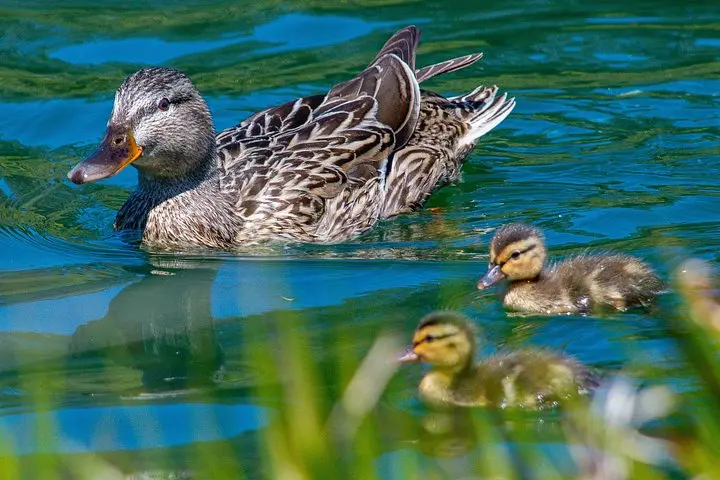
Morning light slices between eucalyptus columns as the path into Golden Gate Park opens up — a wide urban green that breathes like a living thing. On a 90-minute walk, guides steer you past mirror-flat lakes and under high-canopied avenues, where hawks watch from lampposts and hummingbirds stitch quick silver arcs between flowers.
Verified experiences and guided adventures in the surrounding area.
Operated by Beasts of the Bay Area · San Francisco, California
Morning light slices between eucalyptus columns as the path into Golden Gate Park opens up — a wide urban green that breathes like a living thing. On a 90-minute walk, guides steer you past mirror-flat lakes and under high-canopied avenues, where hawks watch from lampposts and hummingbirds stitch quick silver arcs between flowers.
This landscape has been shaped by nearly 150 years of urban design and reclamation. Built on sand dunes and stabilized by windbreaks planted in the late 19th century, the park’s soils and plantings created microhabitats for birds and small mammals. Cultural layers show too: the Tea Garden and nearby conservatory reflect San Francisco’s long relationship with public gardens and civic ornamentation.
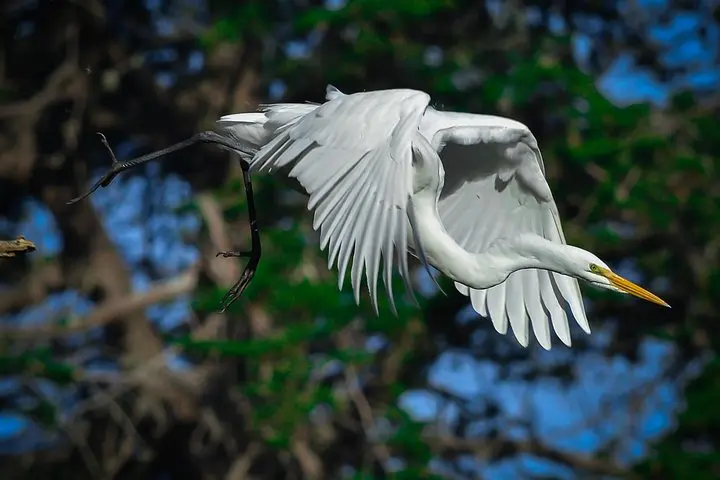
Expect a slow, observant pace. Guides point out field marks and preferred perches, explain seasonal bird movements, and highlight quieter pockets where herons and rails patrol the edges of Stow Lake. The air smells of damp soil and cut grass; occasional gull calls drift from the bay. Nature here isn’t tame — it negotiates with traffic noise and city lights.
Practical notes: meet at the Tea Garden entrance; the route is flat and stroller-accessible but includes packed gravel and paved paths. Bring a small pair of binoculars, wear layered clothing for coastal breeze, and arrive early for softer light and more active birds. Respect wildlife by keeping distance and avoiding feeding. With basic footwear and curiosity, this tour is an efficient introduction to urban birding in one of America’s most storied parks.
Meet at the entrance to the Japanese Tea Garden in Golden Gate Park — look for the guide wearing a Beasts of the Bay shirt and carrying a camera with a Starry Night strap.
The route is stroller-accessible and generally flat; contact the operator ahead of time to discuss wheelchair accommodations and meeting logistics.
Service animals are allowed; otherwise, pets should remain at home to avoid disturbing wildlife and other participants.
Yes — guides provide field marks, behavior tips, and local context suitable for beginners and experienced birders alike.
Beasts of the Bay Area operates guided outdoor trips and adventures with an emphasis on safety, stewardship, and memorable experiences.
Morning light slices between eucalyptus columns as the path into Golden Gate Park opens up — a wide urban green that breathes like a living thing. On a 90-minute walk, guides steer you past mirror-flat lakes and under high-canopied avenues, where hawks watch from lampposts and hummingbirds stitch quick silver arcs between flowers.
Morning light slices between eucalyptus columns as the path into Golden Gate Park opens up — a wide urban green that breathes like a living thing. On a 90-minute walk, guides steer you past mirror-flat lakes and under high-canopied avenues, where hawks watch from lampposts and hummingbirds stitch quick silver arcs between flowers.
This landscape has been shaped by nearly 150 years of urban design and reclamation. Built on sand dunes and stabilized by windbreaks planted in the late 19th century, the park’s soils and plantings created microhabitats for birds and small mammals. Cultural layers show too: the Tea Garden and nearby conservatory reflect San Francisco’s long relationship with public gardens and civic ornamentation.
Expect a slow, observant pace. Guides point out field marks and preferred perches, explain seasonal bird movements, and highlight quieter pockets where herons and rails patrol the edges of Stow Lake. The air smells of damp soil and cut grass; occasional gull calls drift from the bay. Nature here isn’t tame — it negotiates with traffic noise and city lights.
Practical notes: meet at the Tea Garden entrance; the route is flat and stroller-accessible but includes packed gravel and paved paths. Bring a small pair of binoculars, wear layered clothing for coastal breeze, and arrive early for softer light and more active birds. Respect wildlife by keeping distance and avoiding feeding. With basic footwear and curiosity, this tour is an efficient introduction to urban birding in one of America’s most storied parks.