THE ADVENTURE COLLECTIVE® · Independent discovery and booking for outdoor travel

Walk a paved loop through the Giant Forest to the General Sherman Tree and past named sequoia groups on a guided, accessible 3-hour hike. Learn natural history, spot wildlife, and leave with professional photos of the experience.
Walk a paved loop through the Giant Forest to the General Sherman Tree and past named sequoia groups on a guided, accessible 3-hour hike. Learn natural history, spot wildlife, and leave with professional photos of the experience.
A cool, incense-scented air hangs between trunks taller than cathedral spires as the group steps onto the paved path toward the General Sherman Tree.
Verified experiences and guided adventures in the surrounding area.
Operated by Big Trees Tours · Three Rivers, California
A cool, incense-scented air hangs between trunks taller than cathedral spires as the group steps onto the paved path toward the General Sherman Tree.
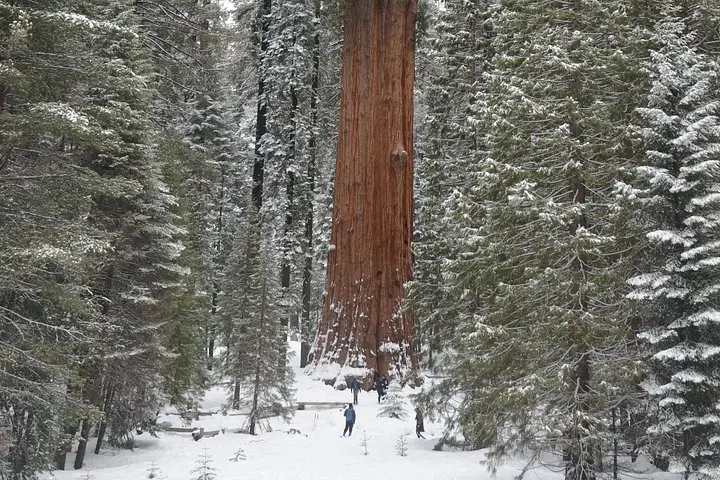
The hike begins on a sloped ramp that eases visitors down to the world’s largest tree by volume; visitors then continue up the Congress Trail, a roughly 2-mile loop that threads past named sequoia groups—Presidents, House, and Senate—each with bark that seems to shrug off fire and time.
Geologically, this is the western Sierra Nevada: granite underfoot, uplifted and scoured over millions of years, with deep, well-drained soil that the giant sequoias favor. Culturally the Giant Forest has long been a place where early park advocates and local communities pushed to protect old-growth giants; the Congress Trail itself is laid out to minimize impact while giving close-up perspectives.
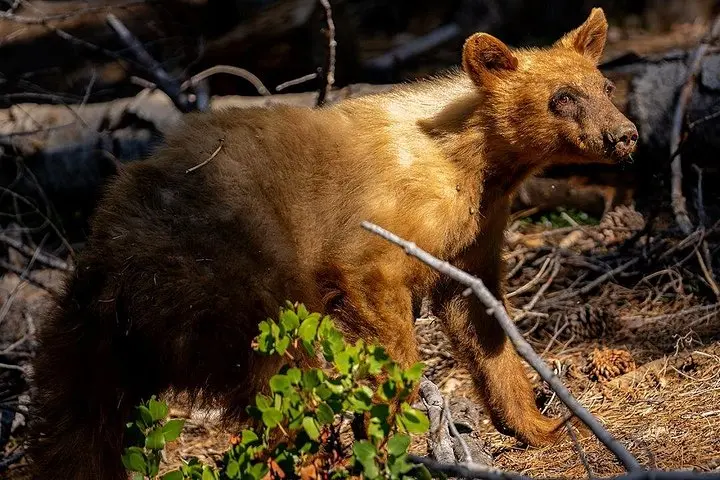
Expect quiet sections punctuated by a guide’s low voice pointing out fire scars, pine engravings, and the ecosystem’s small actors—woodpeckers, pikas, and the occasional black bear that moves cautiously through the understory.
Practically, the loop is paved and family-friendly but sits near 7,000 ft elevation, so the pace feels different than valley walks. Bring water, midweight layers for changing mountain sun and shade, and footwear with some tread for short steeps returning to the trailhead.
The tour includes a knowledgeable guide, first-aid kit, and three edited photos of your group; ADA-accessible meeting options and a summer shuttle make logistics straightforward. Leave no trace, give wildlife space, and let the forest do the talking.
The Congress Trail loop and access to the General Sherman area is about 2 miles of paved trail; the guided experience typically runs three hours including stops.
The initial approach to the General Sherman Tree and some paved sections are ADA-accessible; the guide notes an ADA meeting location and parking options.
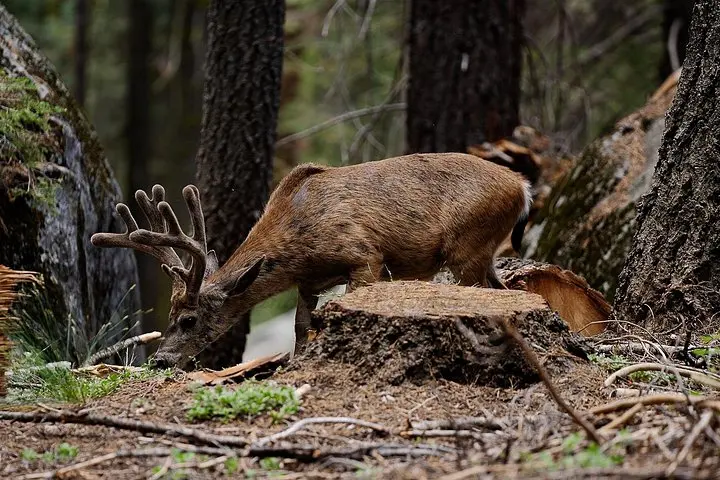
You may spot mule deer, squirrels, various birds, and occasionally black bears—wildlife sightings are possible but not guaranteed; maintain a safe distance.
Yes—Sequoia National Park requires an entrance fee or valid park pass, which is separate from this tour booking.
Big Trees Tours operates guided outdoor trips and adventures with an emphasis on safety, stewardship, and memorable experiences.
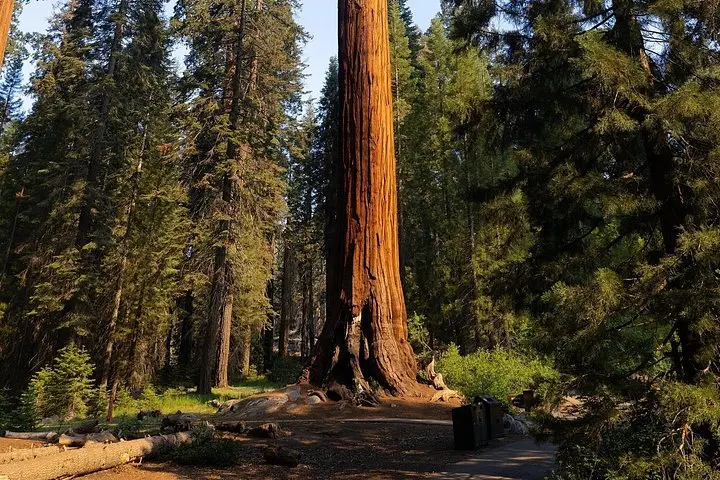
A cool, incense-scented air hangs between trunks taller than cathedral spires as the group steps onto the paved path toward the General Sherman Tree.
A cool, incense-scented air hangs between trunks taller than cathedral spires as the group steps onto the paved path toward the General Sherman Tree.
The hike begins on a sloped ramp that eases visitors down to the world’s largest tree by volume; visitors then continue up the Congress Trail, a roughly 2-mile loop that threads past named sequoia groups—Presidents, House, and Senate—each with bark that seems to shrug off fire and time.
Geologically, this is the western Sierra Nevada: granite underfoot, uplifted and scoured over millions of years, with deep, well-drained soil that the giant sequoias favor. Culturally the Giant Forest has long been a place where early park advocates and local communities pushed to protect old-growth giants; the Congress Trail itself is laid out to minimize impact while giving close-up perspectives.
Expect quiet sections punctuated by a guide’s low voice pointing out fire scars, pine engravings, and the ecosystem’s small actors—woodpeckers, pikas, and the occasional black bear that moves cautiously through the understory.
Practically, the loop is paved and family-friendly but sits near 7,000 ft elevation, so the pace feels different than valley walks. Bring water, midweight layers for changing mountain sun and shade, and footwear with some tread for short steeps returning to the trailhead.
The tour includes a knowledgeable guide, first-aid kit, and three edited photos of your group; ADA-accessible meeting options and a summer shuttle make logistics straightforward. Leave no trace, give wildlife space, and let the forest do the talking.