THE ADVENTURE COLLECTIVE® · Independent discovery and booking for outdoor travel

A full‑day excursion from Sarajevo leads to Trnovačko Lake—one of the Balkans’ most photographed glacial lakes—framed by Maglić’s peaks. This guided hike blends alpine scenery, a historic war memorial, and a picnic by a heart‑shaped lake.
A full‑day excursion from Sarajevo leads to Trnovačko Lake—one of the Balkans’ most photographed glacial lakes—framed by Maglić’s peaks. This guided hike blends alpine scenery, a historic war memorial, and a picnic by a heart‑shaped lake.
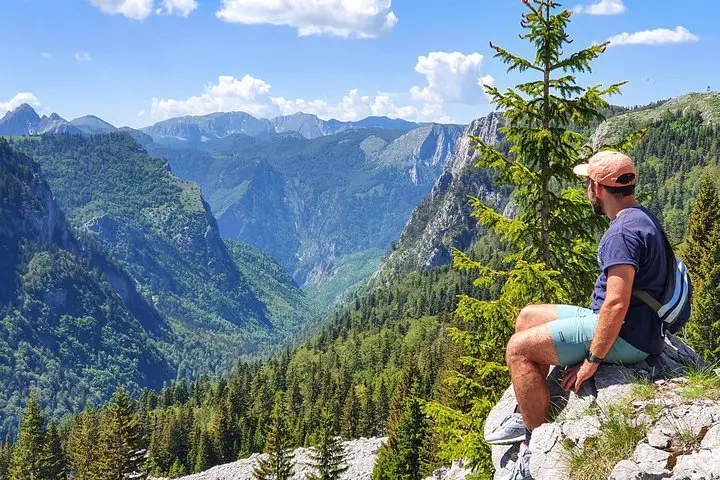
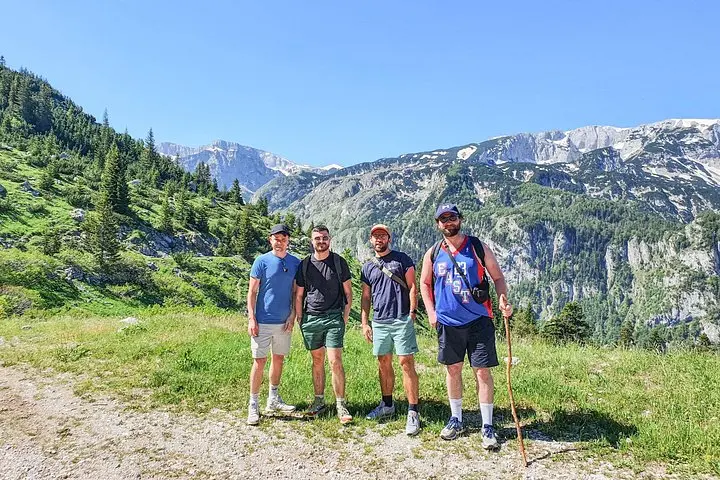
You step from an air‑conditioned minibus and the mountains answer with a cold, clean breath—the ridgelines of Sutjeska drawing a hard line against the sky. The drive from Sarajevo peels away urban noise and, after about two and a half hours, leaves you on the Prijevor plateau with Maglić—Bosnia and Herzegovina’s highest peak—watching over the trail.
Verified experiences and guided adventures in the surrounding area.
Operated by Torus Tours · Tjentište, Republika Srpska
You step from an air‑conditioned minibus and the mountains answer with a cold, clean breath—the ridgelines of Sutjeska drawing a hard line against the sky. The drive from Sarajevo peels away urban noise and, after about two and a half hours, leaves you on the Prijevor plateau with Maglić—Bosnia and Herzegovina’s highest peak—watching over the trail.
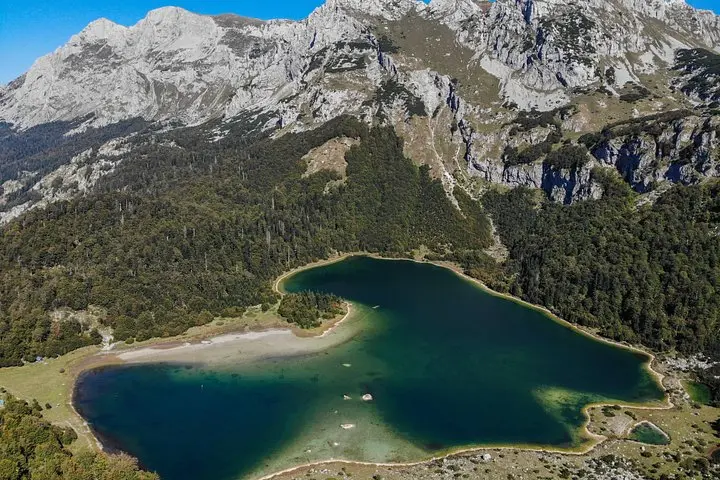
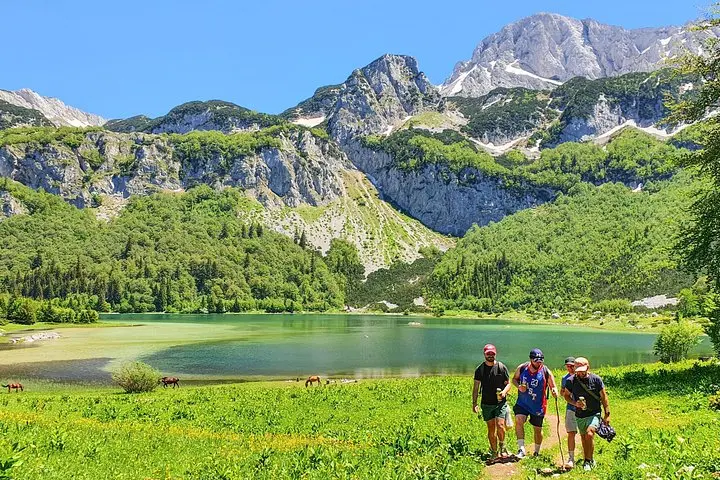
The route descends roughly 5 kilometers to Trnovačko Lake, a glacial bowl famous for its heart‑like outline and glassy, swim‑able water. Geologically, the area records the clash of Dinaric karst limestone and glacial sculpting; steep cirques and jagged ridges frame the valley. Culture here is rooted in wartime memory and mountain shepherding—the Tjentište Memorial nearby commemorates the 1943 Battle of Sutjeska and is a stark, concrete counterpoint to the living landscape.
Expect mixed singletrack and rocky footpath with modest elevation change on the descent and return; plan for loose stones near the shore and quick shifts in weather. Lunch is a picnic by the lake, with time for photos or a brisk swim in cold, clear water for those who dare.
Practical guidance: bring layered, waterproof clothing, sturdy boots, 1–2 liters of water, and a daypack for snacks and camera. The full experience is a long day—10–12 hours roundtrip including transport—so start early from Sarajevo and budget extra time for the Tjentište monument on the return. Respect local signs, pack out waste, and treat alpine streams as fragile resources—this is remote mountain country where the landscape keeps its own pace.
The trail from the Prijevor starting point to the lake is about 5 km one way with moderate descent/ascent; the whole tour including travel is typically 10–12 hours.
Yes—many guests take a quick swim, but water is cold and mountain‑fed; bring a towel and be prepared for chilly temperatures.
The trail is not technically difficult but requires steady footing and endurance for a full day; families with active children can participate if prepared for long hours and rough trail sections.
There are no services on the trail; lunch is provided as a picnic by the lake, and restroom stops are typically at the park or at the meeting point in Sarajevo.
Torus Tours operates guided outdoor trips and adventures with an emphasis on safety, stewardship, and memorable experiences.
You step from an air‑conditioned minibus and the mountains answer with a cold, clean breath—the ridgelines of Sutjeska drawing a hard line against the sky. The drive from Sarajevo peels away urban noise and, after about two and a half hours, leaves you on the Prijevor plateau with Maglić—Bosnia and Herzegovina’s highest peak—watching over the trail.
You step from an air‑conditioned minibus and the mountains answer with a cold, clean breath—the ridgelines of Sutjeska drawing a hard line against the sky. The drive from Sarajevo peels away urban noise and, after about two and a half hours, leaves you on the Prijevor plateau with Maglić—Bosnia and Herzegovina’s highest peak—watching over the trail.
The route descends roughly 5 kilometers to Trnovačko Lake, a glacial bowl famous for its heart‑like outline and glassy, swim‑able water. Geologically, the area records the clash of Dinaric karst limestone and glacial sculpting; steep cirques and jagged ridges frame the valley. Culture here is rooted in wartime memory and mountain shepherding—the Tjentište Memorial nearby commemorates the 1943 Battle of Sutjeska and is a stark, concrete counterpoint to the living landscape.
Expect mixed singletrack and rocky footpath with modest elevation change on the descent and return; plan for loose stones near the shore and quick shifts in weather. Lunch is a picnic by the lake, with time for photos or a brisk swim in cold, clear water for those who dare.
Practical guidance: bring layered, waterproof clothing, sturdy boots, 1–2 liters of water, and a daypack for snacks and camera. The full experience is a long day—10–12 hours roundtrip including transport—so start early from Sarajevo and budget extra time for the Tjentište monument on the return. Respect local signs, pack out waste, and treat alpine streams as fragile resources—this is remote mountain country where the landscape keeps its own pace.