THE ADVENTURE COLLECTIVE® · Independent discovery and booking for outdoor travel

Travel from Heathrow to the prehistoric stones of Stonehenge and the medieval heart of Salisbury in a private half‑day tour with hotel pickup. Expect 2–3 hours at Stonehenge, time at Salisbury Cathedral, and practical tips for tickets, footwear, and timing.
Travel from Heathrow to the prehistoric stones of Stonehenge and the medieval heart of Salisbury in a private half‑day tour with hotel pickup. Expect 2–3 hours at Stonehenge, time at Salisbury Cathedral, and practical tips for tickets, footwear, and timing.
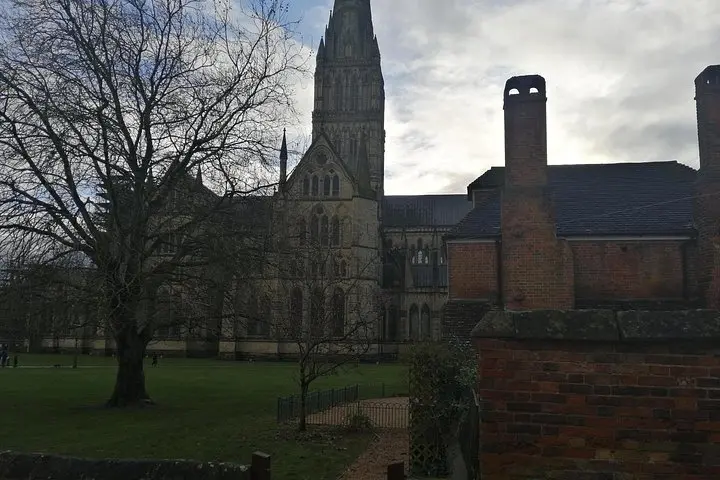
A low, gray English sky parts as a Mercedes slips away from Heathrow, the motorway easing into rolling chalk downs that hold one of Britain’s oldest conversations—Stonehenge. Within an hour and a half the colossal sarsens rise from the plain, rings of worked stone that seem to lean into the wind and dare you to read their silence. Nearby Salisbury lays out a different kind of history: a medieval city whose cathedral spire pierces the horizon and houses one of the original Magna Carta manuscripts.
Verified experiences and guided adventures in the surrounding area.
Operated by Londoncruise-transfers · Salisbury, England
A low, gray English sky parts as a Mercedes slips away from Heathrow, the motorway easing into rolling chalk downs that hold one of Britain’s oldest conversations—Stonehenge. Within an hour and a half the colossal sarsens rise from the plain, rings of worked stone that seem to lean into the wind and dare you to read their silence. Nearby Salisbury lays out a different kind of history: a medieval city whose cathedral spire pierces the horizon and houses one of the original Magna Carta manuscripts.
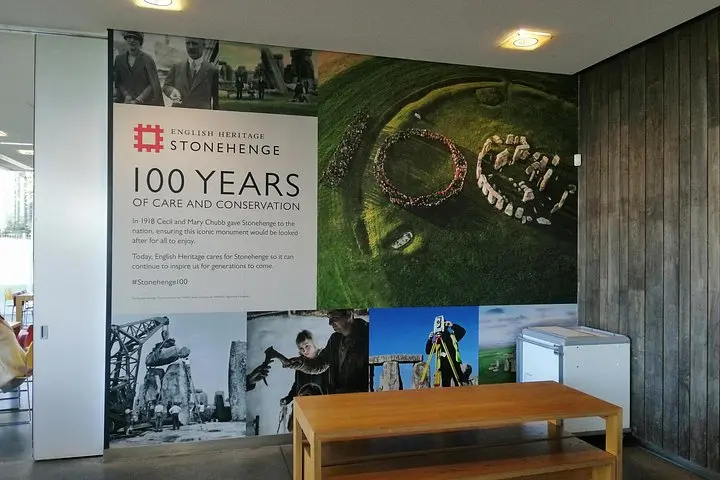
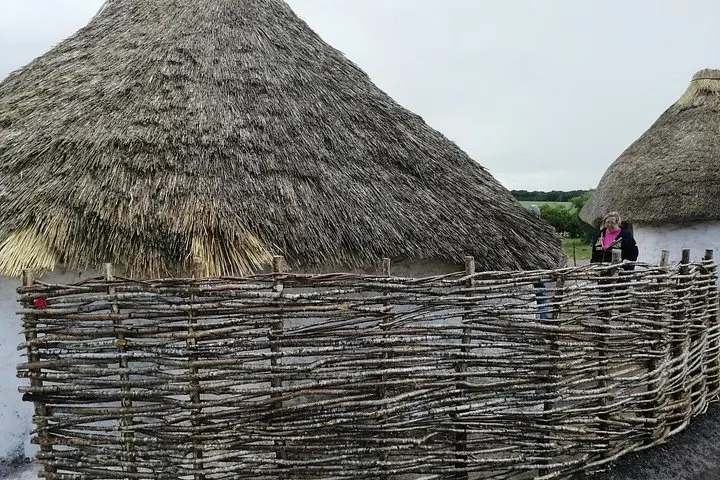
Stonehenge began taking shape around 3000–2000 BCE; large bluestones were transported from Wales and arranged into circles and horseshoes that align with solstices. The visitor centre explains Neolithic life, and reconstruction huts offer a tactile sense of the builders’ craft. Salisbury Cathedral—completed in the 13th century—is famed for its 123m spire and an intact copy of the 1215 Magna Carta.
Practical guidance shapes the visit: the trip runs roughly eight hours including travel, with 2–3 hours at Stonehenge and a similar window in Salisbury. Admission to Stonehenge is not included and should be booked in advance through the official site; special-access ‘inside the stones’ visits are limited. Wear sturdy walking shoes for uneven chalk grass and bring layers—coastal winds can be sharp even on mild days. The tour provides bottled water, private chauffeured transport (air‑conditioned V‑Class with Wi‑Fi), and hotel pickup/drop‑off at Heathrow, making this a compact, manageable window into Britain’s ancient and medieval stories.
No. The tour provides transport and stopovers, but Stonehenge admission is not included; book timed entry on the official Stonehenge website before travel.
General timed-entry permits access to the stone landscape but not the inner circle; special access visits inside the stones are limited and arranged separately through Stonehenge's official channels.
Pickup and return are available from Heathrow hotels as arranged at booking; exact pickup times depend on traffic and the hotel location.
Yes—Stonehenge has a visitor centre with restrooms, a café, and exhibitions; Salisbury has multiple cafés and public facilities near the cathedral.
Londoncruise-transfers operates guided outdoor trips and adventures with an emphasis on safety, stewardship, and memorable experiences.
A low, gray English sky parts as a Mercedes slips away from Heathrow, the motorway easing into rolling chalk downs that hold one of Britain’s oldest conversations—Stonehenge. Within an hour and a half the colossal sarsens rise from the plain, rings of worked stone that seem to lean into the wind and dare you to read their silence. Nearby Salisbury lays out a different kind of history: a medieval city whose cathedral spire pierces the horizon and houses one of the original Magna Carta manuscripts.
A low, gray English sky parts as a Mercedes slips away from Heathrow, the motorway easing into rolling chalk downs that hold one of Britain’s oldest conversations—Stonehenge. Within an hour and a half the colossal sarsens rise from the plain, rings of worked stone that seem to lean into the wind and dare you to read their silence. Nearby Salisbury lays out a different kind of history: a medieval city whose cathedral spire pierces the horizon and houses one of the original Magna Carta manuscripts.
Stonehenge began taking shape around 3000–2000 BCE; large bluestones were transported from Wales and arranged into circles and horseshoes that align with solstices. The visitor centre explains Neolithic life, and reconstruction huts offer a tactile sense of the builders’ craft. Salisbury Cathedral—completed in the 13th century—is famed for its 123m spire and an intact copy of the 1215 Magna Carta.
Practical guidance shapes the visit: the trip runs roughly eight hours including travel, with 2–3 hours at Stonehenge and a similar window in Salisbury. Admission to Stonehenge is not included and should be booked in advance through the official site; special-access ‘inside the stones’ visits are limited. Wear sturdy walking shoes for uneven chalk grass and bring layers—coastal winds can be sharp even on mild days. The tour provides bottled water, private chauffeured transport (air‑conditioned V‑Class with Wi‑Fi), and hotel pickup/drop‑off at Heathrow, making this a compact, manageable window into Britain’s ancient and medieval stories.