THE ADVENTURE COLLECTIVE® · Independent discovery and booking for outdoor travel

A multi-day trek through Langtang and up to the sacred high-altitude lakes of Gosaikunda, this route combines glacier views, Tamang villages and traditional tea-house stays. Expect rocky trails, high passes and cultural encounters along a 14-day loop starting from Kathmandu.
A multi-day trek through Langtang and up to the sacred high-altitude lakes of Gosaikunda, this route combines glacier views, Tamang villages and traditional tea-house stays. Expect rocky trails, high passes and cultural encounters along a 14-day loop starting from Kathmandu.
A thin morning light pins the ridgelines above Langtang; yak bells and distant prayer flags set the cadence as you cross moraine and meadow toward Gosaikunda. The path climbs through rhododendron forests, past tumbling streams that dare you to watch your step, and opens onto high-altitude lakes that pilgrims and herders have visited for centuries.
Verified experiences and guided adventures in the surrounding area.
Operated by Going Nepal - B2B Luxury DMC · Gosaikunda (Rasuwa District), Bagmati Province
A thin morning light pins the ridgelines above Langtang; yak bells and distant prayer flags set the cadence as you cross moraine and meadow toward Gosaikunda. The path climbs through rhododendron forests, past tumbling streams that dare you to watch your step, and opens onto high-altitude lakes that pilgrims and herders have visited for centuries.
This route threads two distinct landscapes: the glacier-carved bowls of the Langtang Valley and the sacred alpine plateau around Gosaikunda. Geologically, you’ll move from deep river-cut gorges and moraines to glacial cirques and polished granite outcrops. Culturally, the trail passes Tamang and Tibetan-influenced villages where flat-roof homes, prayer wheels and seasonal yak pastures reflect a mixed agrarian and monastic life. Gosaikunda itself is a Hindu-Buddhist pilgrimage site—hundreds gather at the full-moon festival to bathe in Saraswati and Bhairav Kundas.
Plan for thin air and big temperature swings: daily gains to 4,380 m, rocky and often muddy trails, and remote tea-house accommodations. Carry layered insulation, a warm sleeping liner and a water-treatment method; aim to move slowly to acclimatize and watch for altitude symptoms. Expect 4–7 hours of trekking on most days, with a long drive out on rough mountain roads to Syabrubesi or Dhunche.
Practicalities: permits for Langtang/Gosaikunda, sturdy boots, and a guide are standard here. Respect local customs—remove shoes for shrine visits—and pack out non-biodegradable trash. The reward is simple and direct: high, clear light, prayer flags flapping above mirror-like lakes, and the steady, unhurried rhythm of a Himalayan pilgrimage.
Yes—Langtang National Park permits and local area entry passes are required; organized trips typically handle permits for you.
Gosaikunda lake sits around 4,380 m (14,370 ft); expect daily highs near this elevation on summit days and acclimatization is crucial.
Yes—most nights are spent in tea houses or guesthouses with basic beds and meals; amenities are simple and vary by village.
Solo hikers with strong high-altitude experience can do it, but guides and porters are recommended for navigation, permit handling and safety.
Going Nepal - B2B Luxury DMC operates guided outdoor trips and adventures with an emphasis on safety, stewardship, and memorable experiences.
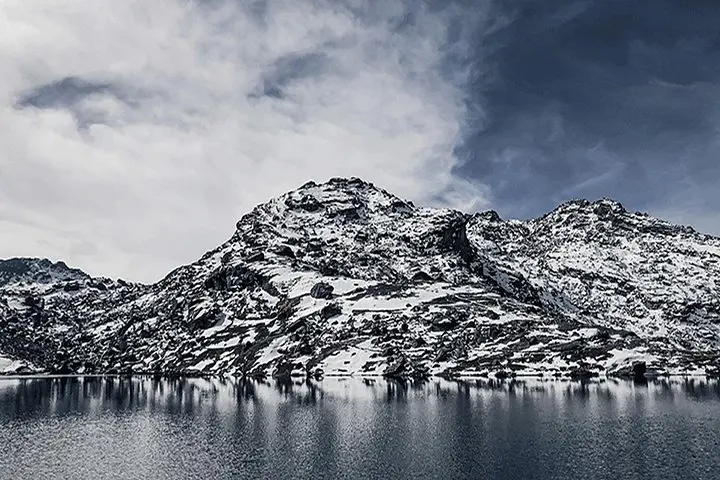
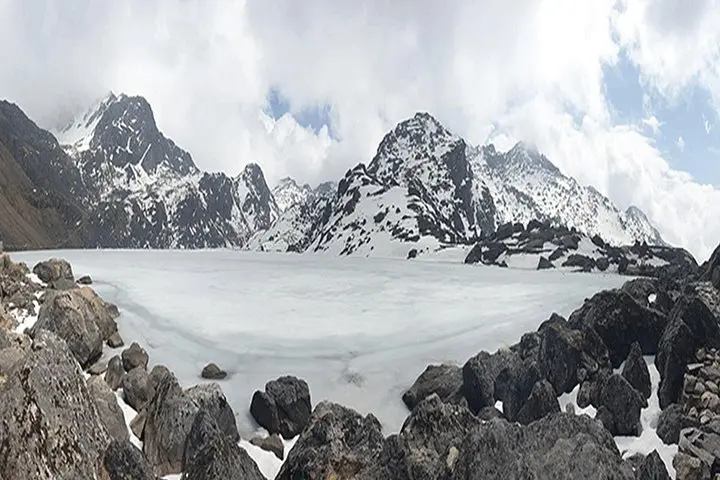
A thin morning light pins the ridgelines above Langtang; yak bells and distant prayer flags set the cadence as you cross moraine and meadow toward Gosaikunda. The path climbs through rhododendron forests, past tumbling streams that dare you to watch your step, and opens onto high-altitude lakes that pilgrims and herders have visited for centuries.
A thin morning light pins the ridgelines above Langtang; yak bells and distant prayer flags set the cadence as you cross moraine and meadow toward Gosaikunda. The path climbs through rhododendron forests, past tumbling streams that dare you to watch your step, and opens onto high-altitude lakes that pilgrims and herders have visited for centuries.
This route threads two distinct landscapes: the glacier-carved bowls of the Langtang Valley and the sacred alpine plateau around Gosaikunda. Geologically, you’ll move from deep river-cut gorges and moraines to glacial cirques and polished granite outcrops. Culturally, the trail passes Tamang and Tibetan-influenced villages where flat-roof homes, prayer wheels and seasonal yak pastures reflect a mixed agrarian and monastic life. Gosaikunda itself is a Hindu-Buddhist pilgrimage site—hundreds gather at the full-moon festival to bathe in Saraswati and Bhairav Kundas.
Plan for thin air and big temperature swings: daily gains to 4,380 m, rocky and often muddy trails, and remote tea-house accommodations. Carry layered insulation, a warm sleeping liner and a water-treatment method; aim to move slowly to acclimatize and watch for altitude symptoms. Expect 4–7 hours of trekking on most days, with a long drive out on rough mountain roads to Syabrubesi or Dhunche.
Practicalities: permits for Langtang/Gosaikunda, sturdy boots, and a guide are standard here. Respect local customs—remove shoes for shrine visits—and pack out non-biodegradable trash. The reward is simple and direct: high, clear light, prayer flags flapping above mirror-like lakes, and the steady, unhurried rhythm of a Himalayan pilgrimage.