THE ADVENTURE COLLECTIVE® · Independent discovery and booking for outdoor travel

Ride an open-top 4x4 through Hegra’s sculpted sandstone and Nabataean tombs on a two-hour nature-focused safari. Expect wildlife sightings, dramatic geology, and short guided stops that combine accessible exploration with cultural context.
Ride an open-top 4x4 through Hegra’s sculpted sandstone and Nabataean tombs on a two-hour nature-focused safari. Expect wildlife sightings, dramatic geology, and short guided stops that combine accessible exploration with cultural context.
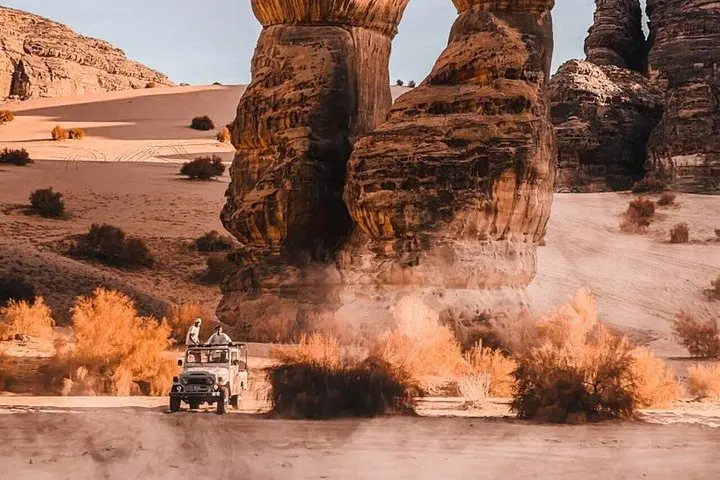
The engine settles into a steady rumble as the open-top 4x4 moves off across pale sandstone flats; wind strips heat from your face and distant cliffs rise like folded maps. In two hours the vehicle threads between sculpted mesas, stopping where rock art and Nabataean tomb facades puncture the horizon — nature and human history sharing the same skyline.
Verified experiences and guided adventures in the surrounding area.
Operated by Golden Destination · AlUla, Al Madinah Region
The engine settles into a steady rumble as the open-top 4x4 moves off across pale sandstone flats; wind strips heat from your face and distant cliffs rise like folded maps. In two hours the vehicle threads between sculpted mesas, stopping where rock art and Nabataean tomb facades puncture the horizon — nature and human history sharing the same skyline.
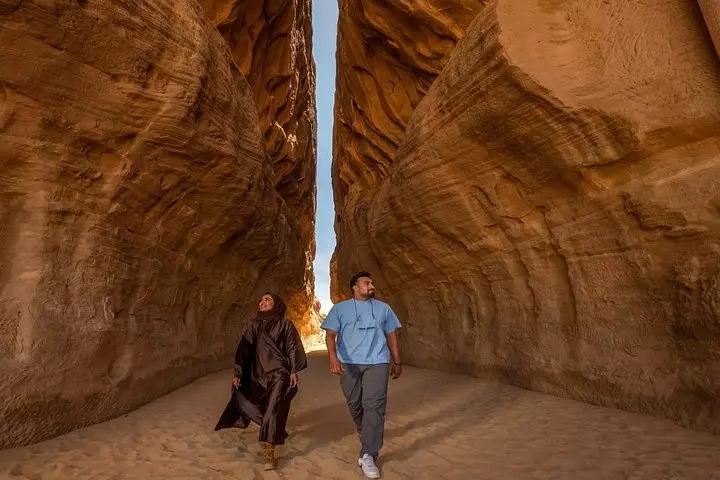
Hegra (Madâin Sâlih) was the southern outpost of the Nabataean kingdom and is Saudi Arabia’s first UNESCO World Heritage Site. Geologically the area is Late Proterozoic sandstone and conglomerate carved by millennia of wind and rare seasonal water flows; cliffs, arches, and isolated buttes record that slow work. Culturally, the site layers Bedouin histories over an ancient trade hub — inscriptions and tomb facades are direct, stone-thin links to caravan life.
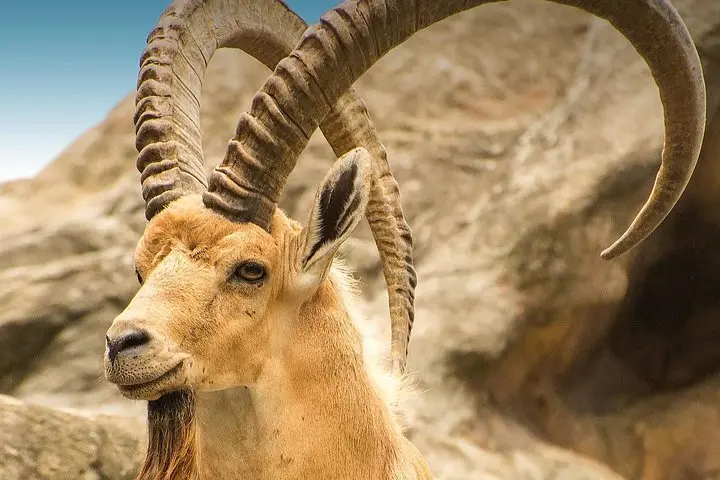
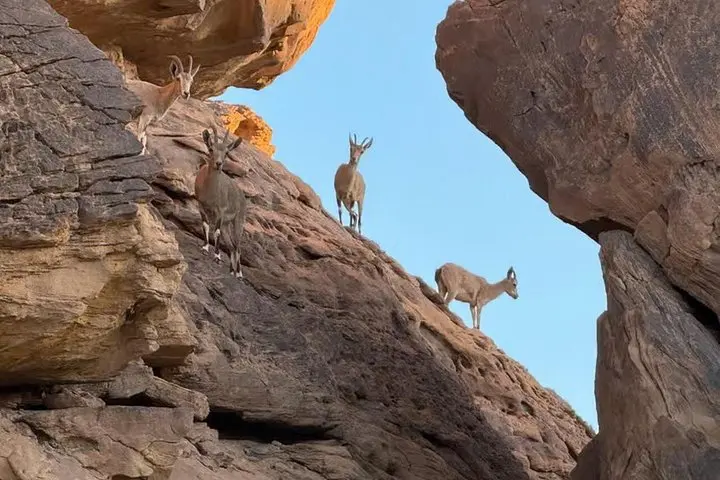
Practically, expect dirt tracks, occasional soft sand, and short, guided stops rather than long hikes; the tour suits most fitness levels and is driven in a shared 4x4. Wildlife is cautious: you may spot Arabian oryx tracks, ibex on rocky ribs, and migratory birds in seasonal wetlands. Timing matters — mornings and late afternoons are cooler and give best light for photography. Bring sunscreen, a brimmed hat, and a filled water bottle; wear sturdy shoes for quick climbs onto viewpoints. Respect marked areas: tomb facades and inscriptions are fragile. Guides explain both natural rehabilitation efforts in Sharaan Reserve and the archaeological protections in place. For a compact, sensory-rich encounter with the Saudi desert, a two-hour safari at Hegra delivers geology, wildlife, and living history without the need for long treks.
The guided safari lasts about two hours with multiple short stops for viewpoints and interpretation.
Yes — the tour accepts children, but the minimum age is typically eight years; check operator policies when booking.
Facilities are limited; use visitor center amenities before departure and plan accordingly for short excursions.
Photography is allowed, but avoid touching or climbing on archaeological features and follow guide directions to protect fragile surfaces.
Golden Destination operates guided outdoor trips and adventures with an emphasis on safety, stewardship, and memorable experiences.
The engine settles into a steady rumble as the open-top 4x4 moves off across pale sandstone flats; wind strips heat from your face and distant cliffs rise like folded maps. In two hours the vehicle threads between sculpted mesas, stopping where rock art and Nabataean tomb facades puncture the horizon — nature and human history sharing the same skyline.
The engine settles into a steady rumble as the open-top 4x4 moves off across pale sandstone flats; wind strips heat from your face and distant cliffs rise like folded maps. In two hours the vehicle threads between sculpted mesas, stopping where rock art and Nabataean tomb facades puncture the horizon — nature and human history sharing the same skyline.
Hegra (Madâin Sâlih) was the southern outpost of the Nabataean kingdom and is Saudi Arabia’s first UNESCO World Heritage Site. Geologically the area is Late Proterozoic sandstone and conglomerate carved by millennia of wind and rare seasonal water flows; cliffs, arches, and isolated buttes record that slow work. Culturally, the site layers Bedouin histories over an ancient trade hub — inscriptions and tomb facades are direct, stone-thin links to caravan life.
Practically, expect dirt tracks, occasional soft sand, and short, guided stops rather than long hikes; the tour suits most fitness levels and is driven in a shared 4x4. Wildlife is cautious: you may spot Arabian oryx tracks, ibex on rocky ribs, and migratory birds in seasonal wetlands. Timing matters — mornings and late afternoons are cooler and give best light for photography. Bring sunscreen, a brimmed hat, and a filled water bottle; wear sturdy shoes for quick climbs onto viewpoints. Respect marked areas: tomb facades and inscriptions are fragile. Guides explain both natural rehabilitation efforts in Sharaan Reserve and the archaeological protections in place. For a compact, sensory-rich encounter with the Saudi desert, a two-hour safari at Hegra delivers geology, wildlife, and living history without the need for long treks.