THE ADVENTURE COLLECTIVE® · Independent discovery and booking for outdoor travel

A helicopter drops you on Ernest Ross Peak and a creek pulls you into a slot canyon with 30‑metre walls and a final 45‑metre waterfall rappel. This guided heli‑canyoning day combines alpine scramble, wet canyon traps, and technical rappels near Abraham Lake.
A helicopter drops you on Ernest Ross Peak and a creek pulls you into a slot canyon with 30‑metre walls and a final 45‑metre waterfall rappel. This guided heli‑canyoning day combines alpine scramble, wet canyon traps, and technical rappels near Abraham Lake.
The helicopter banks over turquoise pockets of Abraham Lake and the jagged spine of Elliot Peak slides under the rotor wash. A quick vertigo-inducing drop places you on a windswept ridge of Ernest Ross Peak; the valley opens below and the canyon waits like a cut in the mountain.
Verified experiences and guided adventures in the surrounding area.
Operated by Banff Canyoning · Nordegg, Alberta
The helicopter banks over turquoise pockets of Abraham Lake and the jagged spine of Elliot Peak slides under the rotor wash. A quick vertigo-inducing drop places you on a windswept ridge of Ernest Ross Peak; the valley opens below and the canyon waits like a cut in the mountain.
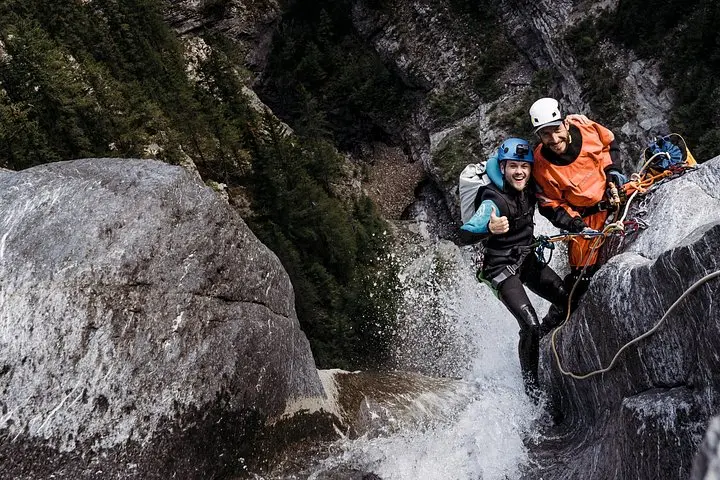
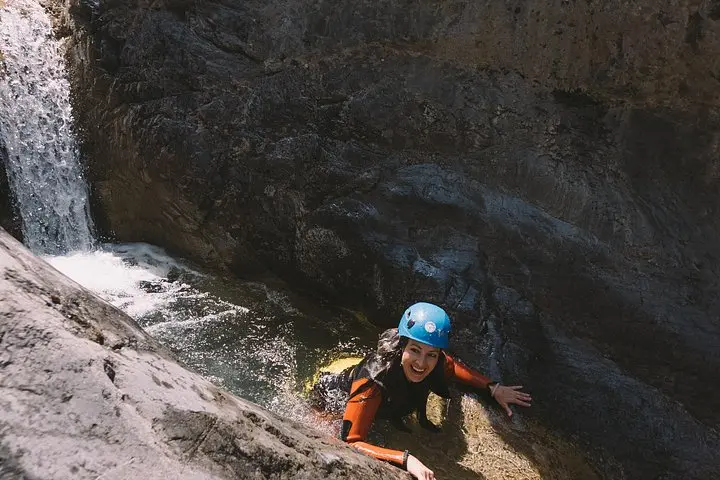
This one-day heli‑canyoning route threads alpine meadows and steep scrambles down to an incising creek. Guides lead groups through wet gullies—rappelling small waterfalls, sliding natural chutes and entering a narrowing slot where 30‑meter walls close overhead and daylight becomes a thin strip. The technical heart of the trip is a sequence of three short, tight rappels through a cave‑like corridor, culminating in a dramatic 45‑metre (roughly 16‑storey) waterfall descent.
Geologically, the canyon is carved into Paleogene sedimentary rocks and glacially scoured valleys typical of the David Thompson region. The area carries a history of hydroelectric development and trapper routes; today it’s remote backcountry accessed by helicopter or long approaches. Local culture leans outdoor—guides emphasize river skills, rope competence and Leave No Trace ethics.
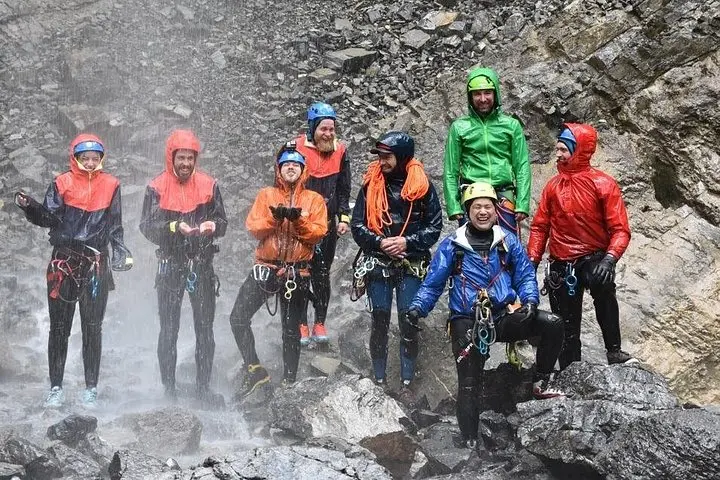
Practical notes: expect 4–6 hours on canyon terrain with wet exposure, cold water and tight slots. The operator supplies wetsuit, helmet and harness; bring sturdy canyon shoes or approach boots, a lightweight base layer, and a dry bag for electronics. Weight and waist restrictions apply; participants should be comfortable with repetitive rappels and confined, wet spaces. Early season can be colder and higher flows, mid‑summer offers the warmest conditions. Book with guides who provide rope rigging and clear safety briefings; this is a high-adrenaline, technically guided descent best suited to physically fit adventurers.
Participants should have moderate to high fitness—comfortable with steep scrambles, sustained downhill hiking, and multiple rappels over several hours.
No formal certification is required, but experience with ropes and rappels is highly recommended; guides instruct and rig all technical sections.
The company supplies helicopter transport, wetsuit, helmet, harness and professional guides; personal footwear and a dry layer are your responsibility.
Minimum age is 14 and maximum waist limits apply (operator lists a 42" max); check weight/height requirements at booking.
Banff Canyoning operates guided outdoor trips and adventures with an emphasis on safety, stewardship, and memorable experiences.
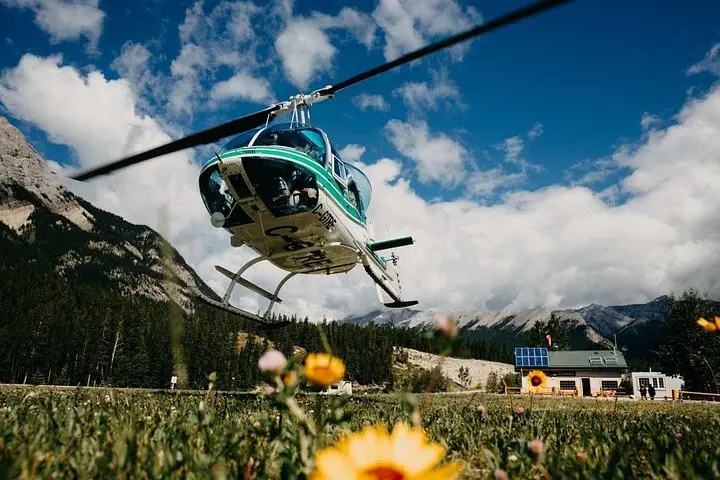
The helicopter banks over turquoise pockets of Abraham Lake and the jagged spine of Elliot Peak slides under the rotor wash. A quick vertigo-inducing drop places you on a windswept ridge of Ernest Ross Peak; the valley opens below and the canyon waits like a cut in the mountain.
The helicopter banks over turquoise pockets of Abraham Lake and the jagged spine of Elliot Peak slides under the rotor wash. A quick vertigo-inducing drop places you on a windswept ridge of Ernest Ross Peak; the valley opens below and the canyon waits like a cut in the mountain.
This one-day heli‑canyoning route threads alpine meadows and steep scrambles down to an incising creek. Guides lead groups through wet gullies—rappelling small waterfalls, sliding natural chutes and entering a narrowing slot where 30‑meter walls close overhead and daylight becomes a thin strip. The technical heart of the trip is a sequence of three short, tight rappels through a cave‑like corridor, culminating in a dramatic 45‑metre (roughly 16‑storey) waterfall descent.
Geologically, the canyon is carved into Paleogene sedimentary rocks and glacially scoured valleys typical of the David Thompson region. The area carries a history of hydroelectric development and trapper routes; today it’s remote backcountry accessed by helicopter or long approaches. Local culture leans outdoor—guides emphasize river skills, rope competence and Leave No Trace ethics.
Practical notes: expect 4–6 hours on canyon terrain with wet exposure, cold water and tight slots. The operator supplies wetsuit, helmet and harness; bring sturdy canyon shoes or approach boots, a lightweight base layer, and a dry bag for electronics. Weight and waist restrictions apply; participants should be comfortable with repetitive rappels and confined, wet spaces. Early season can be colder and higher flows, mid‑summer offers the warmest conditions. Book with guides who provide rope rigging and clear safety briefings; this is a high-adrenaline, technically guided descent best suited to physically fit adventurers.