THE ADVENTURE COLLECTIVE® · Independent discovery and booking for outdoor travel

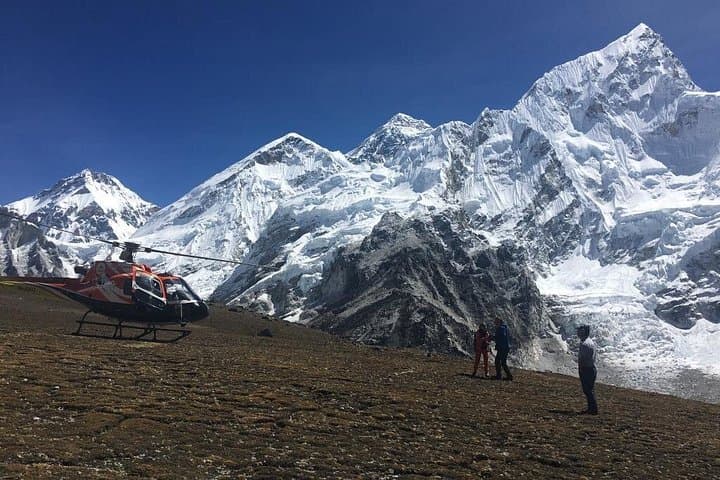
Fly into Lukla, trek through Sherpa villages and glaciers, then return by helicopter from Gorak Shep or Kala Patthar. This itinerary pairs classic acclimatization days with a heli exit to skip the return to Lukla.
Fly into Lukla, trek through Sherpa villages and glaciers, then return by helicopter from Gorak Shep or Kala Patthar. This itinerary pairs classic acclimatization days with a heli exit to skip the return to Lukla.
The airplane drops you onto Lukla’s tiny airstrip, wind tugging at prayer flags as stone villages step up the valley toward ice. From Phakding the trail climbs through rhododendron forests and across suspension bridges draped with well-traveled prayer flags, the Dudh Koshi River daring you onward with a constant roar.
Verified experiences and guided adventures in the surrounding area.
Operated by Himalaya Holiday service Pvt. Ltd.(HHS) · Kathmandu, Bagmati Province
The airplane drops you onto Lukla’s tiny airstrip, wind tugging at prayer flags as stone villages step up the valley toward ice. From Phakding the trail climbs through rhododendron forests and across suspension bridges draped with well-traveled prayer flags, the Dudh Koshi River daring you onward with a constant roar.
This route threads the high Khumbu: Sherpa monasteries in Tengboche, the trading buzz of Namche Bazaar (3,440 m), and glacial moraines that reveal the dynamics of the Himalaya. Geologically the valley is young—steep slopes, active glacial movement and visible avalanche paths that shaped local settlements and trekking routes.
Sherpa culture is on display in teahouses, mani walls and morning pujas; the region’s history is inseparable from early mountaineering legends such as Hillary and Tenzing. Wildlife is subtle—Himalayan thar on ledges, occasionally a bearded vulture above the ice.
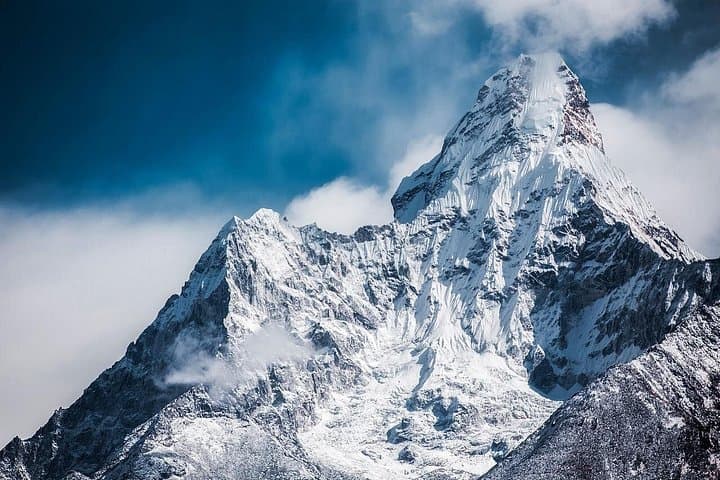
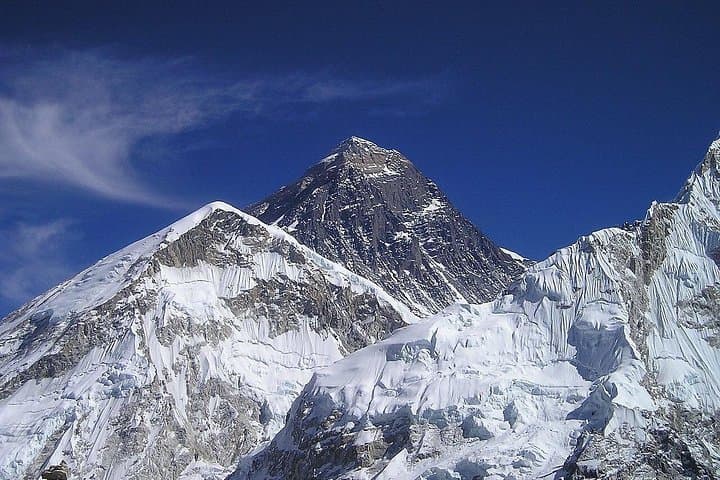
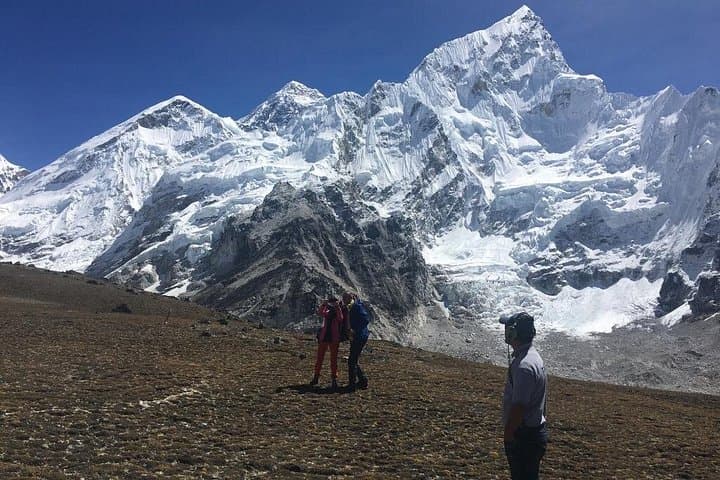
Practically, this itinerary builds acclimatization into rest days at Namche and Dingboche before pushing to Gorak Shep and Everest Base Camp (5,364 m) and Kala Patthar (5,545 m) for panoramic summit views. Expect 4–6 hour trekking days on rocky, often icy trails; teahouse lodgings provide hot meals and simple beds. Gear for layered insulation, good ankle-support boots, trekking poles and a warm sleeping bag are essential. Hydration, gradual ascent, and honest self-monitoring of altitude-related symptoms are the best tools for a safe, memorable crossing of this high mountain landscape.
No formal experience is required, but prior multi-day trekking and good fitness help; the itinerary includes acclimatization days to aid safe ascent.
Trekking and entry permits and a licensed trekking guide are included; check visa and TIMS requirements before arrival in Kathmandu.
The heli pickup from Gorak Shep or nearby ridgelines returns you to Kathmandu or Lukla depending on the package—weather-dependent and often scheduled during stable morning conditions.
Spring (March–May) and autumn (late Sep–Nov) offer the most stable weather and clear mountain views.
Himalaya Holiday service Pvt. Ltd.(HHS) operates guided outdoor trips and adventures with an emphasis on safety, stewardship, and memorable experiences.
The airplane drops you onto Lukla’s tiny airstrip, wind tugging at prayer flags as stone villages step up the valley toward ice. From Phakding the trail climbs through rhododendron forests and across suspension bridges draped with well-traveled prayer flags, the Dudh Koshi River daring you onward with a constant roar.
The airplane drops you onto Lukla’s tiny airstrip, wind tugging at prayer flags as stone villages step up the valley toward ice. From Phakding the trail climbs through rhododendron forests and across suspension bridges draped with well-traveled prayer flags, the Dudh Koshi River daring you onward with a constant roar.
This route threads the high Khumbu: Sherpa monasteries in Tengboche, the trading buzz of Namche Bazaar (3,440 m), and glacial moraines that reveal the dynamics of the Himalaya. Geologically the valley is young—steep slopes, active glacial movement and visible avalanche paths that shaped local settlements and trekking routes.
Sherpa culture is on display in teahouses, mani walls and morning pujas; the region’s history is inseparable from early mountaineering legends such as Hillary and Tenzing. Wildlife is subtle—Himalayan thar on ledges, occasionally a bearded vulture above the ice.
Practically, this itinerary builds acclimatization into rest days at Namche and Dingboche before pushing to Gorak Shep and Everest Base Camp (5,364 m) and Kala Patthar (5,545 m) for panoramic summit views. Expect 4–6 hour trekking days on rocky, often icy trails; teahouse lodgings provide hot meals and simple beds. Gear for layered insulation, good ankle-support boots, trekking poles and a warm sleeping bag are essential. Hydration, gradual ascent, and honest self-monitoring of altitude-related symptoms are the best tools for a safe, memorable crossing of this high mountain landscape.