THE ADVENTURE COLLECTIVE® · Independent discovery and booking for outdoor travel

Skip unpredictable mountain connections and take a helicopter from Kathmandu to Lukla for a quick, cinematic entrance to the Everest region. Expect sweeping Himalayan vistas, a steep approach into Lukla, and practical tips for weather, weight limits and acclimatization.
Skip unpredictable mountain connections and take a helicopter from Kathmandu to Lukla for a quick, cinematic entrance to the Everest region. Expect sweeping Himalayan vistas, a steep approach into Lukla, and practical tips for weather, weight limits and acclimatization.
You lift from Kathmandu valley and the city recedes: terraced fields, temple rooftops and the weave of tributary rivers give way to soaring rock and ice.
Verified experiences and guided adventures in the surrounding area.
Operated by Himalayan Social Journey · Lukla, Solukhumbu
You lift from Kathmandu valley and the city recedes: terraced fields, temple rooftops and the weave of tributary rivers give way to soaring rock and ice.
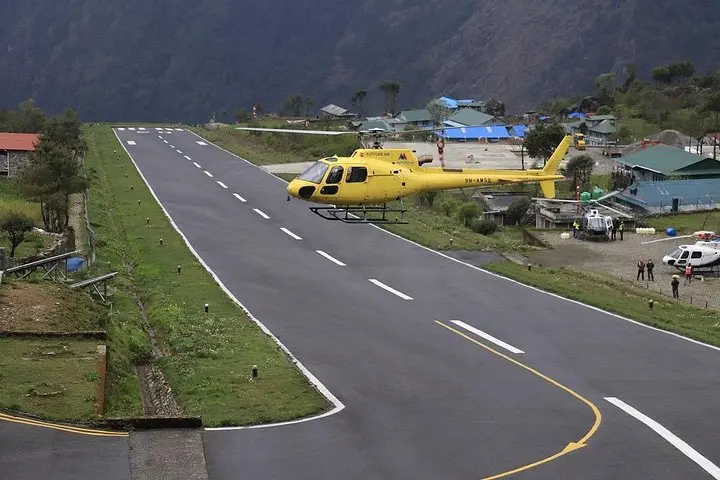
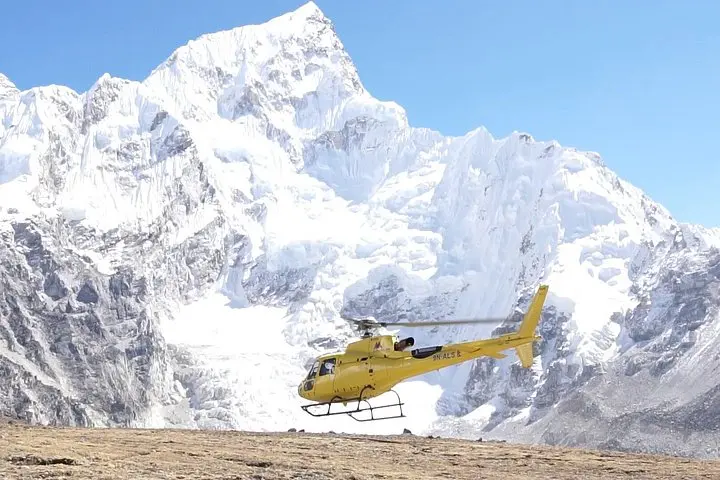
The helicopter crosses the lower flanks of the Himalaya, the peaks growing like a slow climb in reverse. The approach to Lukla punctuates the ride — a steep, short airstrip perched above a narrowing valley where wind and elevation test every pilot and machine. On landing, the thin high-altitude air feels cool and direct; Sherpa towns and prayer flags greet you with practical warmth.
Geologically this corridor is the active front of the Himalaya, where the Indian plate still lifts the landscape and scours glacial valleys. Culturally, Lukla is the traditional gateway for trekkers heading to Everest Base Camp and the Khumbu — a working town of lodges, muleteers and highland markets shaped by mountaineering history.
Practically, the flight replaces uncertain mountain-plane schedules and multi-day trail approaches with a rapid, scenic transfer: expect roughly 80–100 minutes total for round-trip operations and transfers. Morning flights give the best visibility; afternoons bring katabatic winds and cancellations. Bring layers for a colder, wind-prone landing, secure luggage to operator weight limits, and be ready to move at altitude — steps and short walks on uneven surfaces are typical. Photographers should choose a window seat and fast shutter speeds; travelers concerned about altitude should allow a day in Lukla or Kathmandu to adjust before strenuous trekking.
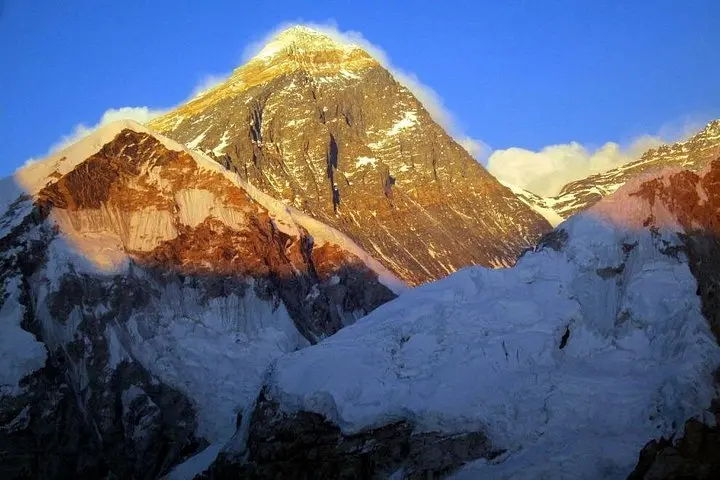
This flight is less an adrenaline stunt than an efficient, panoramic doorway into the high Himalaya — fast, focused and incomparable for first views of Everest country.
Yes — infants are allowed but are required to sit on an adult’s lap; advise the operator when booking.
Flights can be canceled for bad weather; operators typically offer a full refund if canceled at least 24 hours before departure or will reschedule when possible.
This product lists airport pickup and drop-off as included; confirm exact pickup location and timing at booking.
Yes — most helicopter operators enforce strict luggage and combined passenger weight limits; you’ll be asked for weights during booking and at check-in.
Himalayan Social Journey operates guided outdoor trips and adventures with an emphasis on safety, stewardship, and memorable experiences.
You lift from Kathmandu valley and the city recedes: terraced fields, temple rooftops and the weave of tributary rivers give way to soaring rock and ice.
You lift from Kathmandu valley and the city recedes: terraced fields, temple rooftops and the weave of tributary rivers give way to soaring rock and ice.
The helicopter crosses the lower flanks of the Himalaya, the peaks growing like a slow climb in reverse. The approach to Lukla punctuates the ride — a steep, short airstrip perched above a narrowing valley where wind and elevation test every pilot and machine. On landing, the thin high-altitude air feels cool and direct; Sherpa towns and prayer flags greet you with practical warmth.
Geologically this corridor is the active front of the Himalaya, where the Indian plate still lifts the landscape and scours glacial valleys. Culturally, Lukla is the traditional gateway for trekkers heading to Everest Base Camp and the Khumbu — a working town of lodges, muleteers and highland markets shaped by mountaineering history.
Practically, the flight replaces uncertain mountain-plane schedules and multi-day trail approaches with a rapid, scenic transfer: expect roughly 80–100 minutes total for round-trip operations and transfers. Morning flights give the best visibility; afternoons bring katabatic winds and cancellations. Bring layers for a colder, wind-prone landing, secure luggage to operator weight limits, and be ready to move at altitude — steps and short walks on uneven surfaces are typical. Photographers should choose a window seat and fast shutter speeds; travelers concerned about altitude should allow a day in Lukla or Kathmandu to adjust before strenuous trekking.
This flight is less an adrenaline stunt than an efficient, panoramic doorway into the high Himalaya — fast, focused and incomparable for first views of Everest country.