THE ADVENTURE COLLECTIVE® · Independent discovery and booking for outdoor travel

Hover above one of the world’s great waterfalls on a brief helicopter flight from Foz do Iguaçu. This aerial tour delivers unmatched perspectives of the cataracts, basalt plateaus and rainforest that define Iguazu.
Hover above one of the world’s great waterfalls on a brief helicopter flight from Foz do Iguaçu. This aerial tour delivers unmatched perspectives of the cataracts, basalt plateaus and rainforest that define Iguazu.
You lift off from a heliport on the edge of Foz do Iguaçu and the rainforest peels away beneath you.
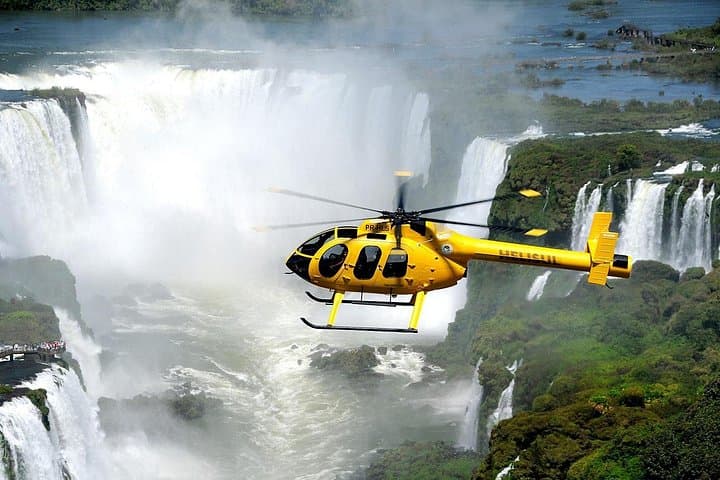
Within a minute the river that dared the plateau becomes a fractured ribbon, and then the falls themselves rush into view — an organized chaos of water, spray and basalt cliffs. The helicopter holds quietly above the gorge and the scale becomes immediate: curtains of water, thunderous plumes and the thin line where Argentina and Brazil meet.
Verified experiences and guided adventures in the surrounding area.
Operated by Neumann Operadora de Receptivo · Foz do Iguaçu, Paraná
You lift off from a heliport on the edge of Foz do Iguaçu and the rainforest peels away beneath you.
Within a minute the river that dared the plateau becomes a fractured ribbon, and then the falls themselves rush into view — an organized chaos of water, spray and basalt cliffs. The helicopter holds quietly above the gorge and the scale becomes immediate: curtains of water, thunderous plumes and the thin line where Argentina and Brazil meet.
Iguazu’s falls sit on the Paraná Plateau, carved into layered basalt from ancient volcanic flows; the result is more than a single drop — around 275 separate cataracts that Spanish explorers first recorded in 1541 and that have long been central to the Guarani people who lived here.
From the air you see the geological joints, the islands that split flows, and the green umbrella of the Atlantic Forest that feeds the river. Cultural touchpoints — the bilingual signs, local craft markets, and the nearby Parque das Aves — remind you the falls are both natural monument and community lifeline.
Practical guidance: flights run about 10 minutes in the air and are typically shared; expect 1–2 hours total with transfers and check‑in. Operators may cancel for bad weather; arrive early, bring photo ID, and secure loose items. Motion sickness bags are available but if you’re prone to nausea consider medication beforehand. For the best light aim for morning or late afternoon; the pilot will time passes to maximize views while staying within park and safety rules.
The airborne portion is about 10 minutes; plan for 1–2 hours total including transfers, briefing and check‑in.
Yes — operators cancel in heavy rain or low visibility; most offer full refunds if canceled at least 24 hours prior or by the operator for weather.
Children and many passengers using wheelchairs can fly but you must disclose special requirements at booking; operators note wheelchair‑accessible transport and accommodations for infants.
Yes — photography is encouraged, but secure gear with straps and follow crew instructions to avoid obstructing exits or dropping items.
Neumann Operadora de Receptivo operates guided outdoor trips and adventures with an emphasis on safety, stewardship, and memorable experiences.


You lift off from a heliport on the edge of Foz do Iguaçu and the rainforest peels away beneath you.
Within a minute the river that dared the plateau becomes a fractured ribbon, and then the falls themselves rush into view — an organized chaos of water, spray and basalt cliffs. The helicopter holds quietly above the gorge and the scale becomes immediate: curtains of water, thunderous plumes and the thin line where Argentina and Brazil meet.
Iguazu’s falls sit on the Paraná Plateau, carved into layered basalt from ancient volcanic flows; the result is more than a single drop — around 275 separate cataracts that Spanish explorers first recorded in 1541 and that have long been central to the Guarani people who lived here.
From the air you see the geological joints, the islands that split flows, and the green umbrella of the Atlantic Forest that feeds the river. Cultural touchpoints — the bilingual signs, local craft markets, and the nearby Parque das Aves — remind you the falls are both natural monument and community lifeline.
Practical guidance: flights run about 10 minutes in the air and are typically shared; expect 1–2 hours total with transfers and check‑in. Operators may cancel for bad weather; arrive early, bring photo ID, and secure loose items. Motion sickness bags are available but if you’re prone to nausea consider medication beforehand. For the best light aim for morning or late afternoon; the pilot will time passes to maximize views while staying within park and safety rules.