THE ADVENTURE COLLECTIVE® · Independent discovery and booking for outdoor travel

See Christ the Redeemer from a perspective few visitors get: a 30–35 minute helicopter flight that threads Rio’s beaches, granite peaks, and Tijuca Forest. Expect sweeping aerial views, weather-dependent scheduling, and practical checks like passenger weight and shared-seat draws.
See Christ the Redeemer from a perspective few visitors get: a 30–35 minute helicopter flight that threads Rio’s beaches, granite peaks, and Tijuca Forest. Expect sweeping aerial views, weather-dependent scheduling, and practical checks like passenger weight and shared-seat draws.
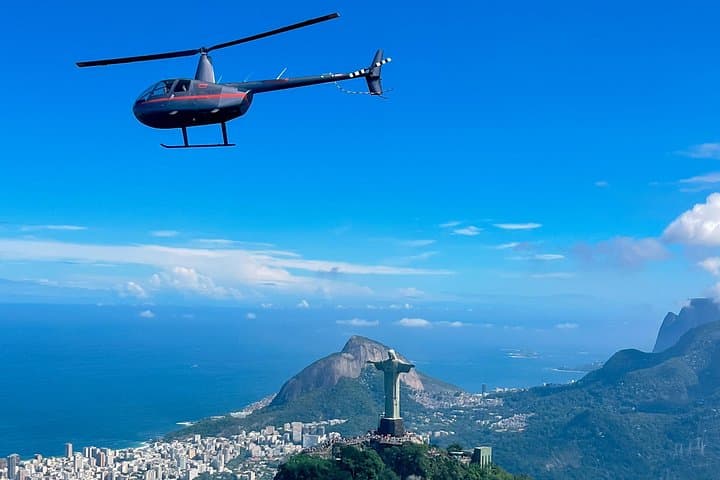
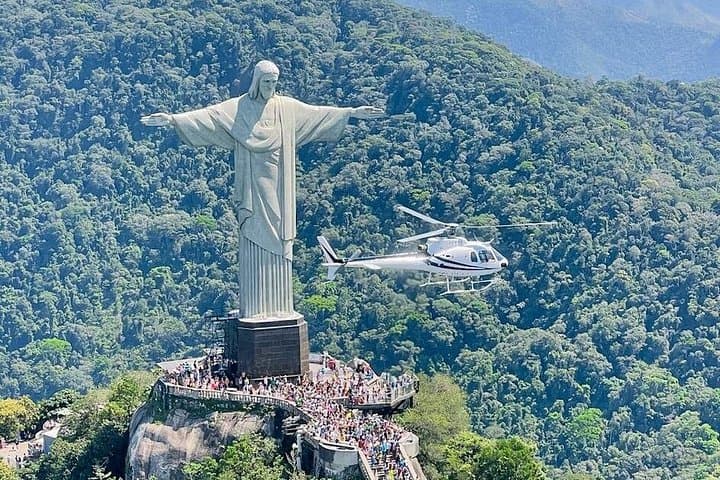
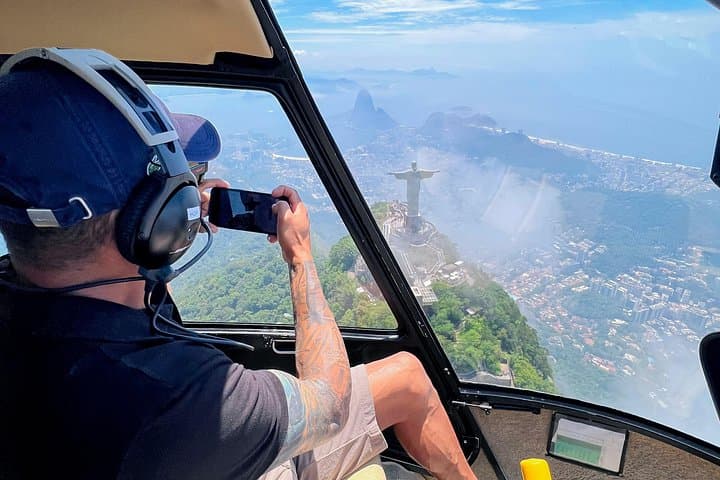
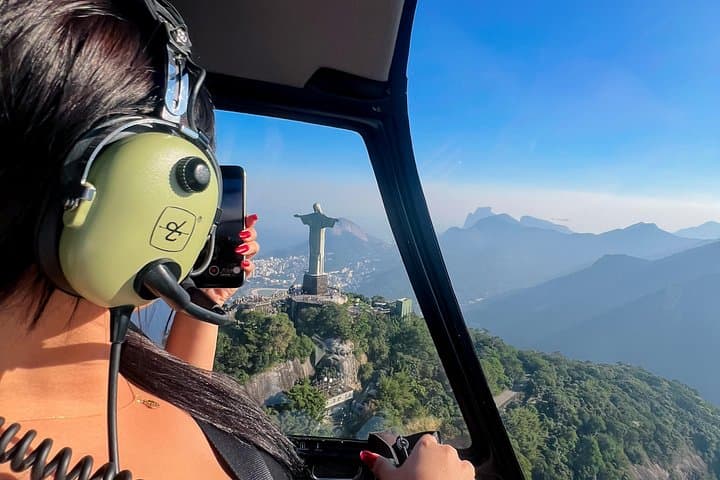
A helicopter lifts from the Recreio heliport and Rio’s coastline opens below like a living map: sugar-white beaches ribbon the shore, the Tijuca hills push up green and abrupt, and, finally, Christ the Redeemer fills the windshield—arms spread above the city like a watchful host.
Verified experiences and guided adventures in the surrounding area.
Operated by Helicopter Rio · Rio de Janeiro, Rio de Janeiro
A helicopter lifts from the Recreio heliport and Rio’s coastline opens below like a living map: sugar-white beaches ribbon the shore, the Tijuca hills push up green and abrupt, and, finally, Christ the Redeemer fills the windshield—arms spread above the city like a watchful host.
The ride is short but dense with context. Corcovado’s statue, completed in 1931, sits atop an ancient granite spine carved by tectonic uplift; below, Tijuca National Park is one of the world’s largest urban forests, regrown in the 19th century after reclamation initiatives. From the air the city’s cultural rhythms become visible—favela clusters climbing slopes, planned avenues cutting through neighborhoods, and beaches where Cariocas gather at dusk.
Geologically, the bay and granite peaks tell of slow uplift and marine encroachment; culturally, Rio’s mixture of African, Portuguese and indigenous heritage is most apparent in the way human settlements press into the terrain. The flight favors visual storytelling: Sugarloaf (Pão de Açúcar), Ipanema, and the rim of Tijuca appear in sequence, each offering a different slice of Rio’s personality.
Practical guidance: flights run about 30–35 minutes and are weather-dependent—expect cancellations in heavy rain. Shared flights may assign seats by draw; operators ask for passenger weights and reserve the right to cancel if minimum load isn’t met. Bring a small camera, secure loose items, and plan transport to Recreio heliport (traffic can add time). For maximum light and visibility, morning or late-afternoon windows are best. The experience isn’t physically demanding, but it’s strictly regulated—book with a licensed operator, check weather policies, and allow padding around your flight time to absorb Rio traffic.
Total airborne time is about 30–35 minutes, though check-in and preflight briefing add extra time.
Operators ask for passenger weights and may have limits for safety—children and infants usually can fly but infants must sit on an adult’s lap.
Most tours offer a full refund or rescheduling if heavy rain or low visibility causes cancellation—confirm the operator’s policy when booking.
The listed heliport and services note wheelchair accessibility for ground areas, but boarding a helicopter may require assistance—inform the operator of special needs in advance.
Helicopter Rio operates guided outdoor trips and adventures with an emphasis on safety, stewardship, and memorable experiences.
A helicopter lifts from the Recreio heliport and Rio’s coastline opens below like a living map: sugar-white beaches ribbon the shore, the Tijuca hills push up green and abrupt, and, finally, Christ the Redeemer fills the windshield—arms spread above the city like a watchful host.
A helicopter lifts from the Recreio heliport and Rio’s coastline opens below like a living map: sugar-white beaches ribbon the shore, the Tijuca hills push up green and abrupt, and, finally, Christ the Redeemer fills the windshield—arms spread above the city like a watchful host.
The ride is short but dense with context. Corcovado’s statue, completed in 1931, sits atop an ancient granite spine carved by tectonic uplift; below, Tijuca National Park is one of the world’s largest urban forests, regrown in the 19th century after reclamation initiatives. From the air the city’s cultural rhythms become visible—favela clusters climbing slopes, planned avenues cutting through neighborhoods, and beaches where Cariocas gather at dusk.
Geologically, the bay and granite peaks tell of slow uplift and marine encroachment; culturally, Rio’s mixture of African, Portuguese and indigenous heritage is most apparent in the way human settlements press into the terrain. The flight favors visual storytelling: Sugarloaf (Pão de Açúcar), Ipanema, and the rim of Tijuca appear in sequence, each offering a different slice of Rio’s personality.
Practical guidance: flights run about 30–35 minutes and are weather-dependent—expect cancellations in heavy rain. Shared flights may assign seats by draw; operators ask for passenger weights and reserve the right to cancel if minimum load isn’t met. Bring a small camera, secure loose items, and plan transport to Recreio heliport (traffic can add time). For maximum light and visibility, morning or late-afternoon windows are best. The experience isn’t physically demanding, but it’s strictly regulated—book with a licensed operator, check weather policies, and allow padding around your flight time to absorb Rio traffic.