THE ADVENTURE COLLECTIVE® · Independent discovery and booking for outdoor travel

Drive the Rift Valley to Hell’s Gate, walk or watch the gorges and wildlife, then take a boat across Lake Naivasha. This full-day combo pairs geological spectacle with close-up wildlife viewing and a lakeside lunch.
Drive the Rift Valley to Hell’s Gate, walk or watch the gorges and wildlife, then take a boat across Lake Naivasha. This full-day combo pairs geological spectacle with close-up wildlife viewing and a lakeside lunch.
A salt-early pickup from Nairobi and the road opens into the Great Rift Valley: escarpments push up like an old wound in the earth and the air tastes of dust and warm rock.
Verified experiences and guided adventures in the surrounding area.
Operated by African Bush Explorers · Naivasha, Nakuru County
A salt-early pickup from Nairobi and the road opens into the Great Rift Valley: escarpments push up like an old wound in the earth and the air tastes of dust and warm rock.
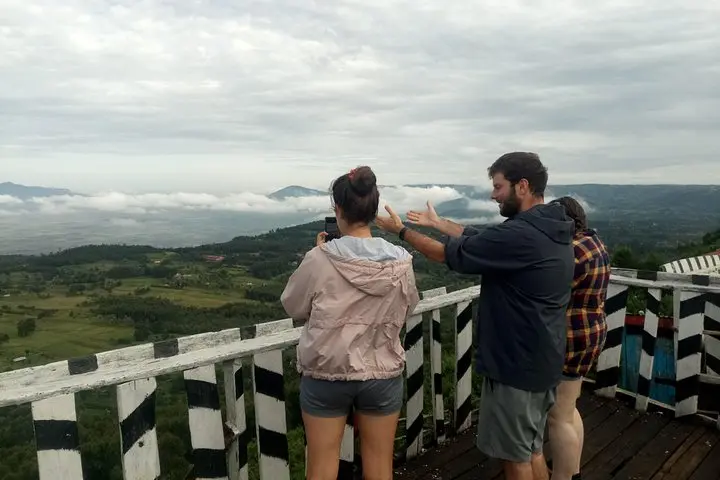
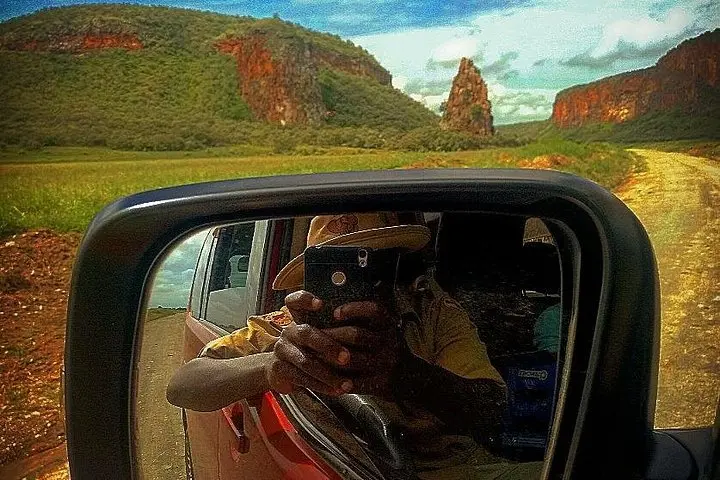
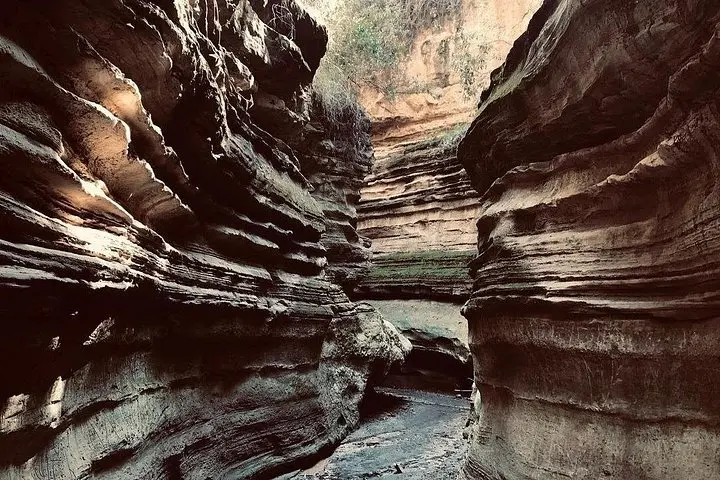
The drive stops first at a viewpoint where Mount Longonot’s serrated ridges cut the skyline — Longonot’s Maasai name, Oloongonot, means 'mountain of many ridges.' From there the tour slips into Hell’s Gate National Park where cliffs, gorges and volcanic plugs define the terrain. You’ll move slowly through the park on a game-drive route that leaves room to watch plains species graze and giraffes browse; the cliffs themselves seem to nudge you toward the gorge paths.
Geology here is young and loud: Rift Valley faults and recent volcanic activity shaped the sweeping escarpments, while nearby Olkaria’s geothermal steam reminds you the ground is still active. Culture threads through the landscape — Maasai and Kalenjin communities maintain ties to grazing lands and volcanic slopes.
After lunch at Fisherman’s Camp the day changes gear: a boat ride on Lake Naivasha puts hippos and waterfowl in close view and offers a narrower, quieter perspective of the cliffline where fishermen pull nets.
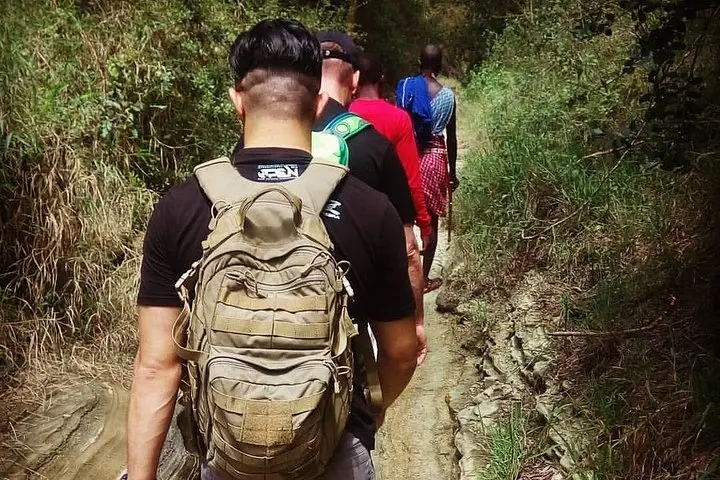
Practical edge: expect a full 8–9 hour day, mostly easy ground with short walks on uneven surfaces. Bring sun protection, a refillable water bottle, sturdy shoes and a small daypack. Timing matters — morning light is best for wildlife and afternoon winds can pick up on the lake.
The excursion runs about 8–9 hours; it includes park entry, game drive, boat ride on Lake Naivasha, lunch, bottled water, snacks and air‑conditioned transport.
Yes—this is a relatively easy day with short walks; infants and small children are accommodated and you can remain in the vehicle for most sights.
Hell’s Gate is more known for plains species, giraffes and antelope; large predators are rare—viewing focuses on landscapes, grazing animals and birdlife.
Yes—there are scheduled rest stops at viewpoints and Fisherman’s Camp with facilities and shaded areas for lunch.
African Bush Explorers operates guided outdoor trips and adventures with an emphasis on safety, stewardship, and memorable experiences.
A salt-early pickup from Nairobi and the road opens into the Great Rift Valley: escarpments push up like an old wound in the earth and the air tastes of dust and warm rock.
A salt-early pickup from Nairobi and the road opens into the Great Rift Valley: escarpments push up like an old wound in the earth and the air tastes of dust and warm rock.
The drive stops first at a viewpoint where Mount Longonot’s serrated ridges cut the skyline — Longonot’s Maasai name, Oloongonot, means 'mountain of many ridges.' From there the tour slips into Hell’s Gate National Park where cliffs, gorges and volcanic plugs define the terrain. You’ll move slowly through the park on a game-drive route that leaves room to watch plains species graze and giraffes browse; the cliffs themselves seem to nudge you toward the gorge paths.
Geology here is young and loud: Rift Valley faults and recent volcanic activity shaped the sweeping escarpments, while nearby Olkaria’s geothermal steam reminds you the ground is still active. Culture threads through the landscape — Maasai and Kalenjin communities maintain ties to grazing lands and volcanic slopes.
After lunch at Fisherman’s Camp the day changes gear: a boat ride on Lake Naivasha puts hippos and waterfowl in close view and offers a narrower, quieter perspective of the cliffline where fishermen pull nets.
Practical edge: expect a full 8–9 hour day, mostly easy ground with short walks on uneven surfaces. Bring sun protection, a refillable water bottle, sturdy shoes and a small daypack. Timing matters — morning light is best for wildlife and afternoon winds can pick up on the lake.