
Hell's Gate & Lake Naivasha Day Trip from Nairobi — Walk with Wildlife and Lake Boat Ride
Swap the slow roll of a jeep for the cadence of your own feet and wheels on an 8‑hour Day Trip from Nairobi to Hell’s Gate and Lake Naivasha. Walk or cycle through gorges and volcanic rock, then ease into a boat ride to watch hippos and fish eagles—an intimate, varied day in the Rift Valley.
An Adventure In Naivasha.
Swap the slow roll of a jeep for the cadence of your own feet and wheels on an 8‑hour Day Trip from Nairobi to Hell’s Gate and Lake Naivasha. Walk or cycle through gorges and volcanic rock, then ease into a boat ride to watch hippos and fish eagles—an intimate, varied day in the Rift Valley.
Read the full experience
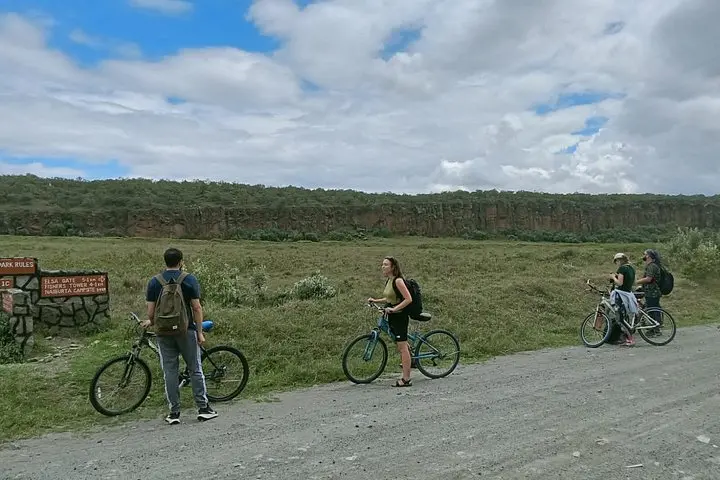
You arrive before the heat, the road dropping into the Rift Valley and the air turning thin and bright. Limestone cliffs stand like scoured fortresses; wind threads through narrow gorges and seems to dare you closer. At the park gate zebras lift their heads as guides unload bikes; a few cyclists clip in and pedal off, tires whispering against red volcanic gravel. By midmorning the lake is a sheet of light interrupted by the rounded backs of hippos and the sudden wingspan of a fish eagle diving for breakfast.
You arrive before the heat, the road dropping into the Rift Valley and the air turning thin and bright. Limestone cliffs stand like scoured fortresses; wind threads through narrow gorges and seems to dare you closer. At the park gate zebras lift their heads as guides unload bikes; a few cyclists clip in and pedal off, tires whispering against red volcanic gravel. By midmorning the lake is a sheet of light interrupted by the rounded backs of hippos and the sudden wingspan of a fish eagle diving for breakfast.
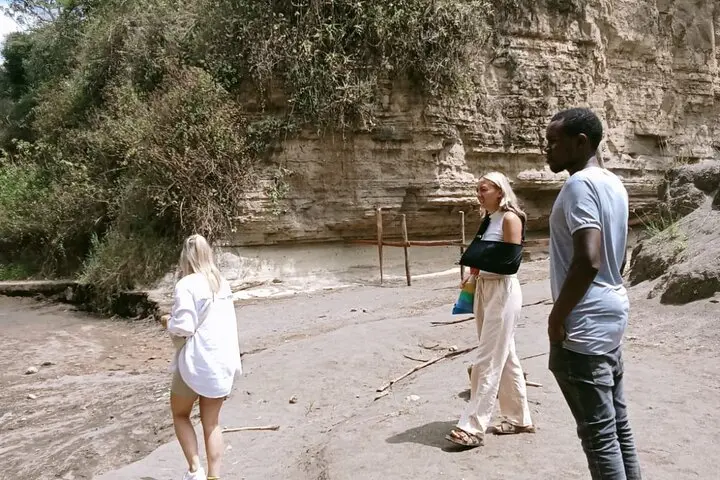
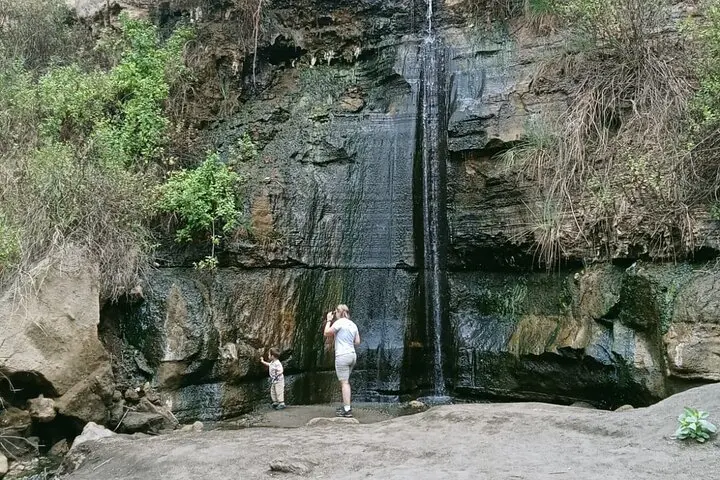
Hell’s Gate feels different from Kenya’s large reserves: rules are looser but the landscape is immediate. The park occupies part of the eastern wall of the Great Rift Valley — a scar formed by tectonic plates pulling apart and punctuated here by volcanic plugs, columnar cliffs and obsidian beds. Fischer’s Tower and the contrasting black glass of volcanic glass give the place its cinematic profile; animators for The Lion King used similar landscapes as reference.
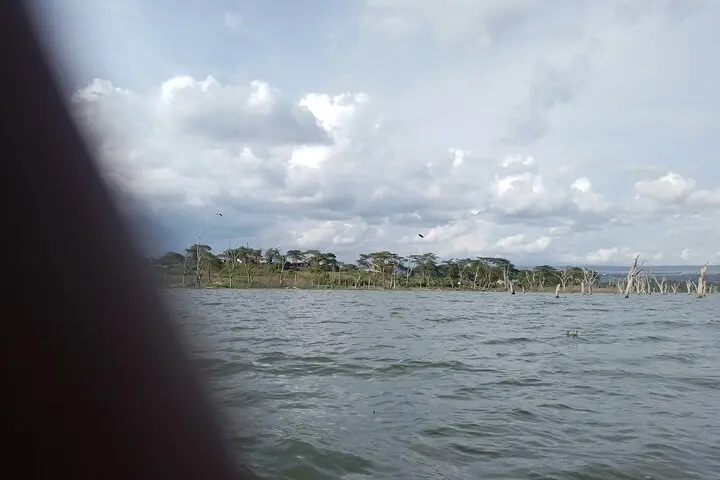
Human history runs alongside the geology. Maasai communities have grazed cattle along the escarpments for generations and Samburu and Kikuyu people still fish and farm around Naivasha. Arriving at Lake Naivasha, you’ll notice a different pace: the lake draws fishermen, birds and the occasional flurry of tourism where boatmen know every hippo groove.
The day trip pairs active exploration with a calmer lake afternoon. Typical timing: hotel pickup in Nairobi early morning, a stop at Rift Valley viewpoints, three hours in Hell’s Gate for walking, cycling or short hikes past gorges and caves, lunch by Naivasha, and a 30–60 minute boat ride to scan for hippos and birds before the return to Nairobi. Entry fees to Hell’s Gate, the optional cycling fee ($15) and the boat ride ($25) are not included in tour pricing; bring cash or confirmed payment method.
Practical edge: choose cycling if you want to cover ground fast — the terrain is mostly flat with occasional loose gravel; hiking shoes with good tread are more comfortable than road bikes. Bring sun protection, at least 1–2 liters of water, and binoculars for birdlife. Weather can shift quickly in the Rift; a light wind layer is helpful. Wildlife sightings are common but never guaranteed—keep distance and follow your guide’s instructions.
Why go: this is one of the rare Kenyan parks where you can literally step out among grazing zebras and climb into gorges on foot or by bike, then slide into a quiet boat ride where hippos and fish eagles maintain their slow, exacting routines. It’s compact, cinematic and practical—a full day that leaves you with a sense of how geology, wildlife and local life meet along the Rift.
Frequently asked questions
No. Entry to Hell’s Gate, the optional cycling fee (about $15) and the Lake Naivasha boat ride (about $25) are paid separately—bring cash or confirm card options.
Yes; the operator notes it’s suitable for all fitness levels. Infants must sit on an adult’s lap during transport and activities may be adapted for families.
Yes. You can choose to walk, hire a bike on-site, or drive through the park—each offers different pacing and access to features like gorges and Fischer’s Tower.
Typical boat rides last 30–60 minutes and focus on hippo viewing and birdwatching; durations can vary with group size and operator timing.
Common sightings include zebras, gazelles, giraffes near water, hippos on Lake Naivasha and numerous waterbirds including fish eagles; sightings depend on time of day and season.
No. Bike sections are mostly flat with some gravel; basic cycling competence is sufficient. Guides will recommend routes based on ability.
About This Experience
DAYSTAR GLOBE TOURS AND SAFARIS operates guided outdoor trips and adventures with an emphasis on safety, stewardship, and memorable experiences.
Adventure tips
Recommended gear
- Sturdy walking shoes: Provide traction on loose volcanic gravel and rocky trails.
- Sun hat & sunscreen: High-altitude sun in the Rift is strong—protect skin and eyes during open stretches.
- Reusable water bottle (1–2L): Hydration is critical during midday explorations and cycling segments.
- Light wind/rain layer: Afternoon breezes or unexpected showers are common along the escarpment—pack a thin shell.
Photos of the experience
Related adventures & guides
Read the full experience
You arrive before the heat, the road dropping into the Rift Valley and the air turning thin and bright. Limestone cliffs stand like scoured fortresses; wind threads through narrow gorges and seems to dare you closer. At the park gate zebras lift their heads as guides unload bikes; a few cyclists clip in and pedal off, tires whispering against red volcanic gravel. By midmorning the lake is a sheet of light interrupted by the rounded backs of hippos and the sudden wingspan of a fish eagle diving for breakfast.
You arrive before the heat, the road dropping into the Rift Valley and the air turning thin and bright. Limestone cliffs stand like scoured fortresses; wind threads through narrow gorges and seems to dare you closer. At the park gate zebras lift their heads as guides unload bikes; a few cyclists clip in and pedal off, tires whispering against red volcanic gravel. By midmorning the lake is a sheet of light interrupted by the rounded backs of hippos and the sudden wingspan of a fish eagle diving for breakfast.
Hell’s Gate feels different from Kenya’s large reserves: rules are looser but the landscape is immediate. The park occupies part of the eastern wall of the Great Rift Valley — a scar formed by tectonic plates pulling apart and punctuated here by volcanic plugs, columnar cliffs and obsidian beds. Fischer’s Tower and the contrasting black glass of volcanic glass give the place its cinematic profile; animators for The Lion King used similar landscapes as reference.
Human history runs alongside the geology. Maasai communities have grazed cattle along the escarpments for generations and Samburu and Kikuyu people still fish and farm around Naivasha. Arriving at Lake Naivasha, you’ll notice a different pace: the lake draws fishermen, birds and the occasional flurry of tourism where boatmen know every hippo groove.
The day trip pairs active exploration with a calmer lake afternoon. Typical timing: hotel pickup in Nairobi early morning, a stop at Rift Valley viewpoints, three hours in Hell’s Gate for walking, cycling or short hikes past gorges and caves, lunch by Naivasha, and a 30–60 minute boat ride to scan for hippos and birds before the return to Nairobi. Entry fees to Hell’s Gate, the optional cycling fee ($15) and the boat ride ($25) are not included in tour pricing; bring cash or confirmed payment method.
Practical edge: choose cycling if you want to cover ground fast — the terrain is mostly flat with occasional loose gravel; hiking shoes with good tread are more comfortable than road bikes. Bring sun protection, at least 1–2 liters of water, and binoculars for birdlife. Weather can shift quickly in the Rift; a light wind layer is helpful. Wildlife sightings are common but never guaranteed—keep distance and follow your guide’s instructions.
Why go: this is one of the rare Kenyan parks where you can literally step out among grazing zebras and climb into gorges on foot or by bike, then slide into a quiet boat ride where hippos and fish eagles maintain their slow, exacting routines. It’s compact, cinematic and practical—a full day that leaves you with a sense of how geology, wildlife and local life meet along the Rift.
Make a day of it nearby.
Verified experiences and guided adventures in the surrounding area.