THE ADVENTURE COLLECTIVE® · Independent discovery and booking for outdoor travel

Walk through the Rift: Hell's Gate National Park offers a rare playground of volcanic plugs, basalt columns and walking safaris where zebras graze beneath towering cliffs. Read on for what to expect, how to prepare, and the best ways to photograph the park's dramatic geology.
Walk through the Rift: Hell's Gate National Park offers a rare playground of volcanic plugs, basalt columns and walking safaris where zebras graze beneath towering cliffs. Read on for what to expect, how to prepare, and the best ways to photograph the park's dramatic geology.
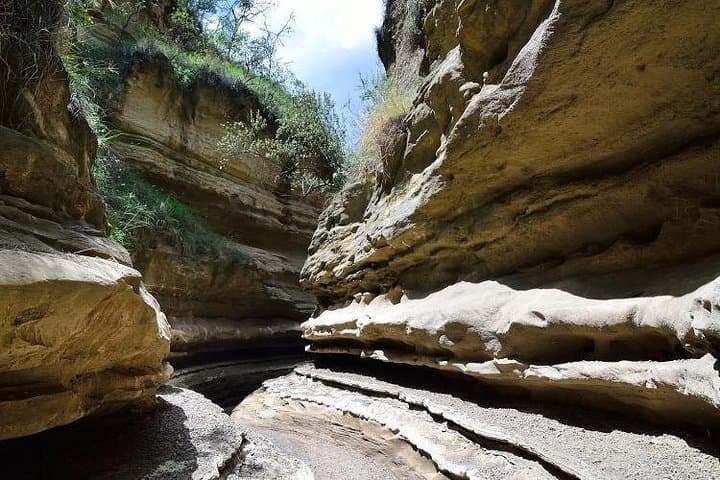
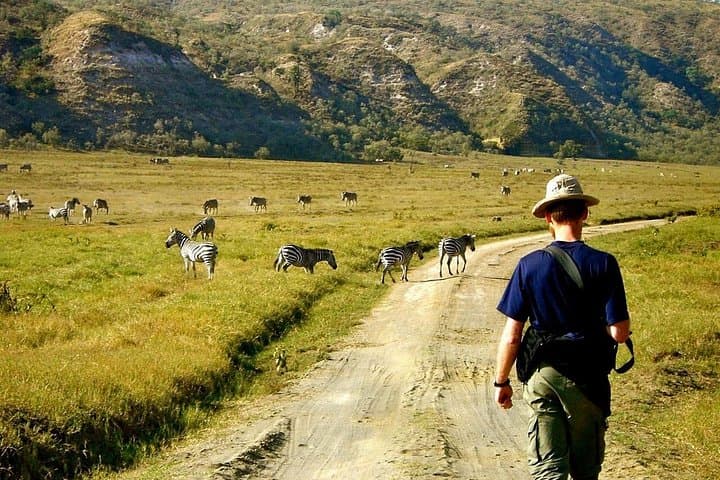
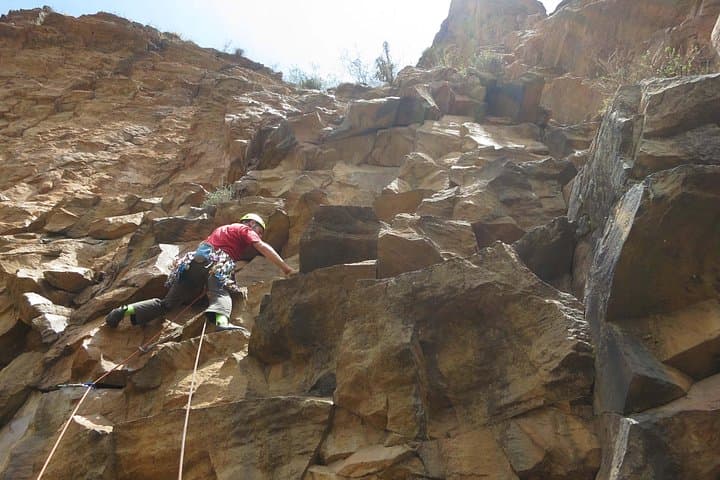
You step out of the vehicle and the air changes: it smells of warm dust and distant steam. The flat savanna at Hell's Gate loosens into jagged cliffs and a slot canyon where wind and ancient lava have carved vertical faces of red and black. Guides move with easy assurance; zebras and Thomson's gazelles watch like uninterested hosts. Above, the lammergeyer vulture wheels patiently — Hell’s Gate is one of the rare places in East Africa where these bone-cracking birds are still seen.
Verified experiences and guided adventures in the surrounding area.
Operated by Kenya Safaris and Holidays · Naivasha, Nakuru County
You step out of the vehicle and the air changes: it smells of warm dust and distant steam. The flat savanna at Hell's Gate loosens into jagged cliffs and a slot canyon where wind and ancient lava have carved vertical faces of red and black. Guides move with easy assurance; zebras and Thomson's gazelles watch like uninterested hosts. Above, the lammergeyer vulture wheels patiently — Hell’s Gate is one of the rare places in East Africa where these bone-cracking birds are still seen.
The park sits on the eastern edge of the East African Rift. Its dramatic geology is immediate: two volcanic plugs — Central Tower and Fischer's Tower — rise from the gorge like teeth of cooled magma, and basalt columns line the canyon walls where lava once surged and cooled into glassy obsidian. Hobley's and Olkaria volcanoes, now extinct, punctuate the skyline and underlie the region’s geothermal activity; steam vents and hot springs remind visitors the earth here still breathes.
Indigenous Maasai culture threads through the park experience. Local guides often point out grazing patterns, medicinal plants, and traditional uses of the obsidian found nearby. The area around Naivasha has long been a crossroads for pastoralists and traders; artifacts and oral histories connect the land’s present wildlife with centuries of human stewardship.
Practicalities shape the day. This is one of only two Kenyan parks where you may leave your vehicle and walk among wildlife; that freedom calls for mindful movement. Trails cross dry riverbeds, basalt scree and packed dirt — expect easy to moderate walking but watch for hot rocks near geothermal spots that can burn. Weather swings fast: mornings are cool and clear, midday pulls heat from the ground, and the sun is fierce with little shade.
Plan for a full 8-hour outing: arrive early to catch active mammals and birdlife, and carry at least 2–3 liters of water per person. Wear sturdy, closed-toe hiking shoes for uneven lava and loose rock, sun protection, and a light wind layer for the canyon breeze. Binoculars and a long lens reward patient photographers; a wide-angle captures the towering plugs and basalt formations.
Expect wildlife sightings—zebra, baboon, gazelle are common; cheetah and leopard occasionally appear at a distance—and a cultural pause for lunch at a nearby eatery where Maasai hosts sometimes share stories.
For conservation-minded travelers: stick to marked paths, avoid touching fragile geological formations, and pack out all waste—these arid ecosystems recover slowly. With the right preparation, a day at Hell’s Gate is equal parts geology lesson, wildlife watch and a walk through the living rift.
Yes—Hell's Gate is one of two Kenyan parks that allow visitors to explore on foot, but you must follow guides and stay on marked trails for safety and conservation.
The advertised tour runs about 8 hours, typically including hotel pickup, park time for walking and wildlife viewing, and lunch near the park.
Large predators like lions and leopards are present but sightings are uncommon; guides monitor for risk and instruct visitors on safe behavior when on foot.
This tour lists admissions as not included—confirm with the operator whether national park entrance fees are included in your booking before arrival.
The tour is described as physically easy overall, but walking sections involve uneven ground; it’s less suitable for those with spinal or serious mobility issues.
Common sightings include zebra, baboon, Thomson's gazelle and over 130 bird species; cheetah and ostrich can appear but are less frequent.
Kenya Safaris and Holidays operates guided outdoor trips and adventures with an emphasis on safety, stewardship, and memorable experiences.
You step out of the vehicle and the air changes: it smells of warm dust and distant steam. The flat savanna at Hell's Gate loosens into jagged cliffs and a slot canyon where wind and ancient lava have carved vertical faces of red and black. Guides move with easy assurance; zebras and Thomson's gazelles watch like uninterested hosts. Above, the lammergeyer vulture wheels patiently — Hell’s Gate is one of the rare places in East Africa where these bone-cracking birds are still seen.
You step out of the vehicle and the air changes: it smells of warm dust and distant steam. The flat savanna at Hell's Gate loosens into jagged cliffs and a slot canyon where wind and ancient lava have carved vertical faces of red and black. Guides move with easy assurance; zebras and Thomson's gazelles watch like uninterested hosts. Above, the lammergeyer vulture wheels patiently — Hell’s Gate is one of the rare places in East Africa where these bone-cracking birds are still seen.
The park sits on the eastern edge of the East African Rift. Its dramatic geology is immediate: two volcanic plugs — Central Tower and Fischer's Tower — rise from the gorge like teeth of cooled magma, and basalt columns line the canyon walls where lava once surged and cooled into glassy obsidian. Hobley's and Olkaria volcanoes, now extinct, punctuate the skyline and underlie the region’s geothermal activity; steam vents and hot springs remind visitors the earth here still breathes.
Indigenous Maasai culture threads through the park experience. Local guides often point out grazing patterns, medicinal plants, and traditional uses of the obsidian found nearby. The area around Naivasha has long been a crossroads for pastoralists and traders; artifacts and oral histories connect the land’s present wildlife with centuries of human stewardship.
Practicalities shape the day. This is one of only two Kenyan parks where you may leave your vehicle and walk among wildlife; that freedom calls for mindful movement. Trails cross dry riverbeds, basalt scree and packed dirt — expect easy to moderate walking but watch for hot rocks near geothermal spots that can burn. Weather swings fast: mornings are cool and clear, midday pulls heat from the ground, and the sun is fierce with little shade.
Plan for a full 8-hour outing: arrive early to catch active mammals and birdlife, and carry at least 2–3 liters of water per person. Wear sturdy, closed-toe hiking shoes for uneven lava and loose rock, sun protection, and a light wind layer for the canyon breeze. Binoculars and a long lens reward patient photographers; a wide-angle captures the towering plugs and basalt formations.
Expect wildlife sightings—zebra, baboon, gazelle are common; cheetah and leopard occasionally appear at a distance—and a cultural pause for lunch at a nearby eatery where Maasai hosts sometimes share stories.
For conservation-minded travelers: stick to marked paths, avoid touching fragile geological formations, and pack out all waste—these arid ecosystems recover slowly. With the right preparation, a day at Hell’s Gate is equal parts geology lesson, wildlife watch and a walk through the living rift.