THE ADVENTURE COLLECTIVE® · Independent discovery and booking for outdoor travel

Walk traditional village trails from Hemjaphedi to Dhampus and trade city noise for Himalayan vistas and village hospitality. This five-hour hike mixes forest paths, stone steps and a community homestay lunch in a Gurung village.
Walk traditional village trails from Hemjaphedi to Dhampus and trade city noise for Himalayan vistas and village hospitality. This five-hour hike mixes forest paths, stone steps and a community homestay lunch in a Gurung village.
You start where the valley exhales: Hemjaphedi’s dusty lane, a local guide at your side, terraced fields stepping upward toward Dhampus. The air is sharp with pine and wood smoke; between villages the trail peels open to reveal the Annapurna range, peaks that seem to recompose themselves as you climb. Streams dare you across stone slabs; winds push mountain scent through the forest.
Verified experiences and guided adventures in the surrounding area.
Operated by Community Homestay Network · Pokhara, Gandaki Province
You start where the valley exhales: Hemjaphedi’s dusty lane, a local guide at your side, terraced fields stepping upward toward Dhampus. The air is sharp with pine and wood smoke; between villages the trail peels open to reveal the Annapurna range, peaks that seem to recompose themselves as you climb. Streams dare you across stone slabs; winds push mountain scent through the forest.
This route threads Gurung and Magar hamlets that have farmed and herded these slopes for generations. Geologically, the hike crosses young fold-and-thrust Himalaya—rocky outcrops, deep alluvial fans below, terraced soils shaped by centuries of cultivation. Culture is part of the trail: prayer flags at a chautara, children waving from courtyards, and the Hemjakot Community Homestay where lunch is prepared with local grains and ghee.
Expect a mix of compact dirt track and stone staircases, gentle ups and downs rather than steep alpine pitches; the full loop runs around five hours for a steady party. Best light and clearest mountain views come in winter mornings and spring afternoons after the monsoon clears.
Practical notes: wear sturdy hiking shoes with good grip for wet stone steps, carry 1–2 liters of water and a light layer for chilly ridge breezes. Bring cash for the homestay and small cultural gifts if you like. Start after breakfast to avoid mid-day heat and allow time for photos and a relaxed lunch with locals.
The guided route is about five hours round-trip, depending on pace and stops—plan 4–6 hours including lunch.
Those with moderate fitness and no serious mobility issues can usually manage it; the trail includes steps and uneven sections, so take rests as needed.
Nepali is the local language; many guides speak basic English and Gurung and Magar community members may speak regional dialects.
No special trekking permits are required for this day hike from Hemjaphedi to Dhampus, though guide fees and homestay charges apply.
Community Homestay Network operates guided outdoor trips and adventures with an emphasis on safety, stewardship, and memorable experiences.
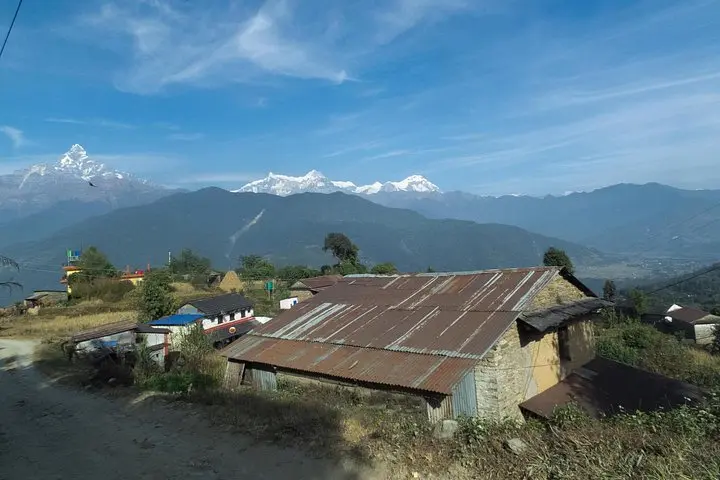
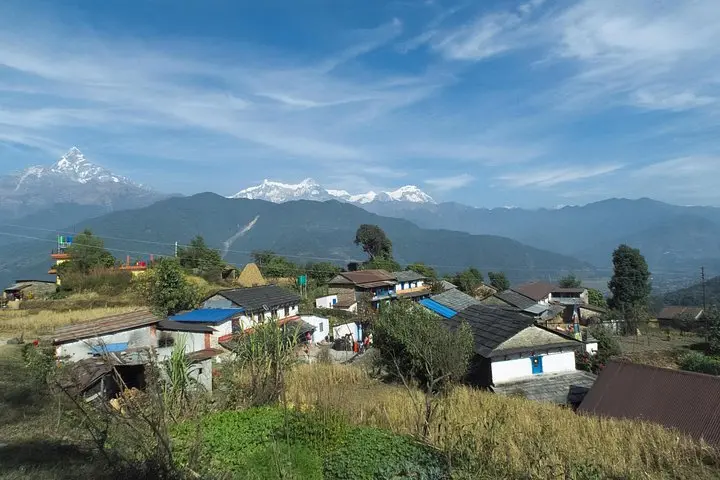
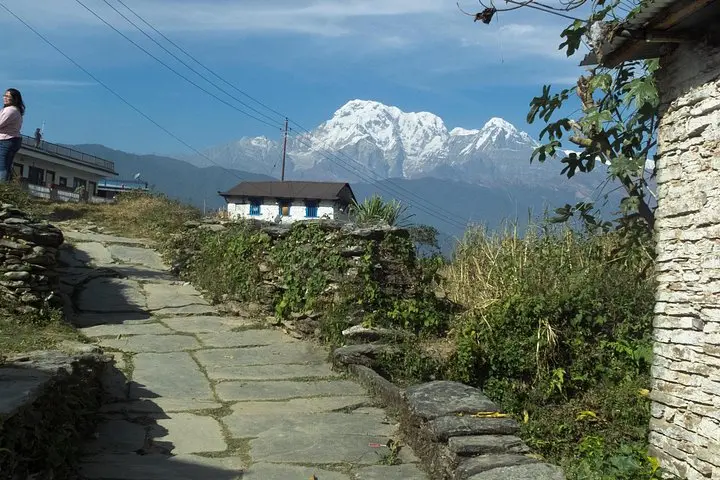
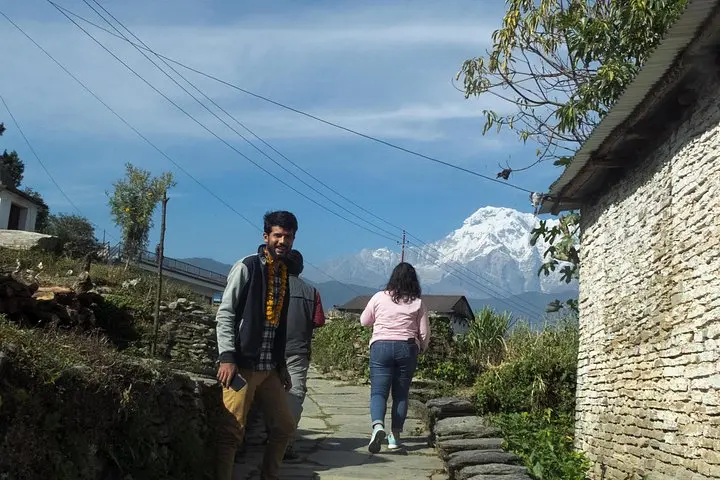
You start where the valley exhales: Hemjaphedi’s dusty lane, a local guide at your side, terraced fields stepping upward toward Dhampus. The air is sharp with pine and wood smoke; between villages the trail peels open to reveal the Annapurna range, peaks that seem to recompose themselves as you climb. Streams dare you across stone slabs; winds push mountain scent through the forest.
You start where the valley exhales: Hemjaphedi’s dusty lane, a local guide at your side, terraced fields stepping upward toward Dhampus. The air is sharp with pine and wood smoke; between villages the trail peels open to reveal the Annapurna range, peaks that seem to recompose themselves as you climb. Streams dare you across stone slabs; winds push mountain scent through the forest.
This route threads Gurung and Magar hamlets that have farmed and herded these slopes for generations. Geologically, the hike crosses young fold-and-thrust Himalaya—rocky outcrops, deep alluvial fans below, terraced soils shaped by centuries of cultivation. Culture is part of the trail: prayer flags at a chautara, children waving from courtyards, and the Hemjakot Community Homestay where lunch is prepared with local grains and ghee.
Expect a mix of compact dirt track and stone staircases, gentle ups and downs rather than steep alpine pitches; the full loop runs around five hours for a steady party. Best light and clearest mountain views come in winter mornings and spring afternoons after the monsoon clears.
Practical notes: wear sturdy hiking shoes with good grip for wet stone steps, carry 1–2 liters of water and a light layer for chilly ridge breezes. Bring cash for the homestay and small cultural gifts if you like. Start after breakfast to avoid mid-day heat and allow time for photos and a relaxed lunch with locals.