THE ADVENTURE COLLECTIVE® · Independent discovery and booking for outdoor travel

Experience a hands-on herbal tea workshop in Seoul with a Traditional Korean Medicine expert. Blend your own tea, tour the K‑Medi museum, and learn Yin–Yang basics in a small-group afternoon class.
Experience a hands-on herbal tea workshop in Seoul with a Traditional Korean Medicine expert. Blend your own tea, tour the K‑Medi museum, and learn Yin–Yang basics in a small-group afternoon class.
Steam curls from a porcelain bowl as you step into a small workshop in central Seoul, the air threaded with citrus peel, dried chrysanthemum and warm ginger. The host arranges wooden trays of roughly forty medicinal herbs, inviting touch and smell before explaining basic Yin–Yang balancing and the Five Elements that underpin Traditional Korean Medicine.
Verified experiences and guided adventures in the surrounding area.
Operated by 허준오빠 · Seoul, Seoul
Steam curls from a porcelain bowl as you step into a small workshop in central Seoul, the air threaded with citrus peel, dried chrysanthemum and warm ginger. The host arranges wooden trays of roughly forty medicinal herbs, inviting touch and smell before explaining basic Yin–Yang balancing and the Five Elements that underpin Traditional Korean Medicine.
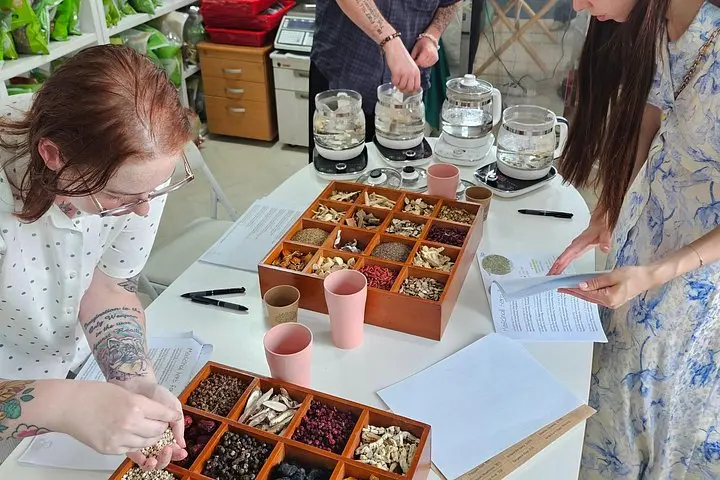
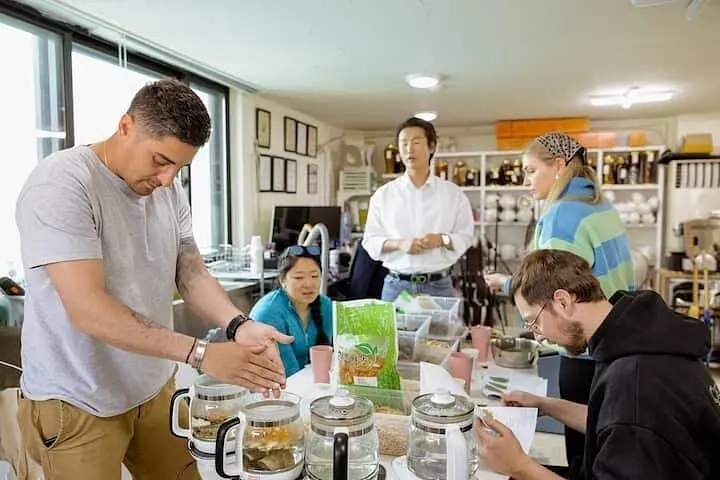
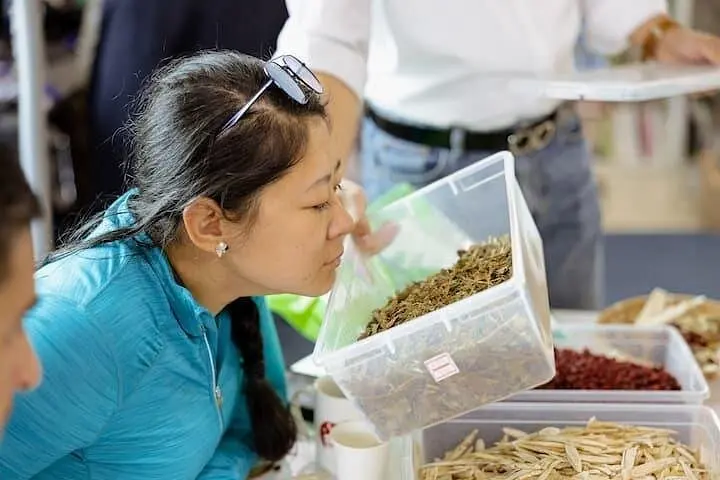
The session moves methodically: identify herbs by scent and texture, choose compatible pairs, and blend a personalized tea to steep and bottle. After a short break you walk to the K-Medi Center and its compact museum where cases display classical texts, measuring tools and references to Heo Jun’s Donguibogam — the 17th-century anchor of Korea’s herbal practice. Optional add-ons often include an introductory acupuncture demonstration, moxibustion explanation, shopping at a nearby herbal market, or an outdoor foot bath if the schedule allows.
This is low-intensity cultural immersion rather than a physical outing. Expect hands-on sensory learning, clear historical context, and practical takeaways like a labeled tea bottle and notes on contraindications. Bring a reusable water bottle, comfortable shoes for a brief walk between venues, and a notepad for recipes you’ll want to recreate.
Plan for roughly two and a half hours beginning mid-afternoon. Classes are adaptable — notify the host of allergies or health concerns in advance. Wheelchair access and public transit are available nearby, but museum add-ons may carry extra fees. Tours typically run with English explanations; small-group size keeps questions welcome. Confirm cancellation policy 24 hours prior and ask about translation options ahead.
The experience runs about 2 to 2.5 hours, typically starting mid‑afternoon and including the workshop and museum visit.
Yes; sessions are tailored to all levels with clear, practical explanations of Yin–Yang and the Five Elements.
Yes; the tour includes a bottle for you to take your personalized herbal tea home.
No; optional activities like acupuncture, moxibustion, or foot baths at the museum are extra and charged separately.
허준오빠 operates guided outdoor trips and adventures with an emphasis on safety, stewardship, and memorable experiences.
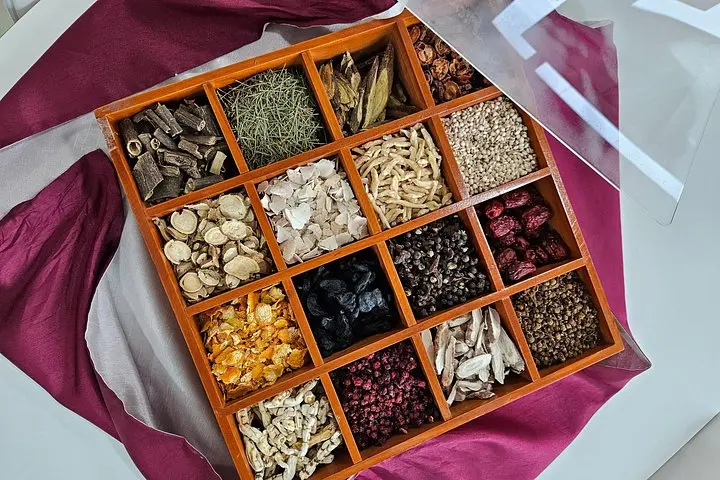
Steam curls from a porcelain bowl as you step into a small workshop in central Seoul, the air threaded with citrus peel, dried chrysanthemum and warm ginger. The host arranges wooden trays of roughly forty medicinal herbs, inviting touch and smell before explaining basic Yin–Yang balancing and the Five Elements that underpin Traditional Korean Medicine.
Steam curls from a porcelain bowl as you step into a small workshop in central Seoul, the air threaded with citrus peel, dried chrysanthemum and warm ginger. The host arranges wooden trays of roughly forty medicinal herbs, inviting touch and smell before explaining basic Yin–Yang balancing and the Five Elements that underpin Traditional Korean Medicine.
The session moves methodically: identify herbs by scent and texture, choose compatible pairs, and blend a personalized tea to steep and bottle. After a short break you walk to the K-Medi Center and its compact museum where cases display classical texts, measuring tools and references to Heo Jun’s Donguibogam — the 17th-century anchor of Korea’s herbal practice. Optional add-ons often include an introductory acupuncture demonstration, moxibustion explanation, shopping at a nearby herbal market, or an outdoor foot bath if the schedule allows.
This is low-intensity cultural immersion rather than a physical outing. Expect hands-on sensory learning, clear historical context, and practical takeaways like a labeled tea bottle and notes on contraindications. Bring a reusable water bottle, comfortable shoes for a brief walk between venues, and a notepad for recipes you’ll want to recreate.
Plan for roughly two and a half hours beginning mid-afternoon. Classes are adaptable — notify the host of allergies or health concerns in advance. Wheelchair access and public transit are available nearby, but museum add-ons may carry extra fees. Tours typically run with English explanations; small-group size keeps questions welcome. Confirm cancellation policy 24 hours prior and ask about translation options ahead.