THE ADVENTURE COLLECTIVE® · Independent discovery and booking for outdoor travel

Explore Honolulu on a private five-hour walk that connects the King Kamehameha Statue, Aliʻiolani Hale, Kawaiahaʻo Church and Thomas Square. This intimate tour blends royal history, civic architecture, and local stories with practical pacing for all fitness levels.
Explore Honolulu on a private five-hour walk that connects the King Kamehameha Statue, Aliʻiolani Hale, Kawaiahaʻo Church and Thomas Square. This intimate tour blends royal history, civic architecture, and local stories with practical pacing for all fitness levels.
The morning light hits the bronze of King Kamehameha and the city exhales — traffic fades, and a slow, deliberate walk through Honolulu’s civic heart begins. You follow wide sidewalks past Aliʻiolani Hale’s stone façade, pause where marble steps have witnessed courtroom arguments and political change, then move on to a quiet grave lined with coral and native plants: the Tomb of King Lunalilo.
Verified experiences and guided adventures in the surrounding area.
Operated by Opatrip.com USA · Honolulu, Hawaii
The morning light hits the bronze of King Kamehameha and the city exhales — traffic fades, and a slow, deliberate walk through Honolulu’s civic heart begins. You follow wide sidewalks past Aliʻiolani Hale’s stone façade, pause where marble steps have witnessed courtroom arguments and political change, then move on to a quiet grave lined with coral and native plants: the Tomb of King Lunalilo.
This five-hour private tour threads together Hawaii’s royal era and its 19th‑century pivot toward American governance. Geology underpins the city — low lava flows and coral reef terraces gave way to streets that now hold churches and government buildings — while cultural shifts from kapu to constitution, and kingdom to territory, ripple through each stop.
Expect a measured pace: the guide reads plaques and points out architectural details you’d miss alone, from Kawaiahaʻo Church’s coral block walls to Thomas Square’s role in sovereignty celebrations. The Honolulu Police Department Museum rounds out the story with artifacts that trace local law enforcement through changing times.
Practical guidance: wear supportive shoes for five hours of mostly flat walking, bring a refillable water bottle, and apply reef‑safe sunscreen — Oʻahu sun is direct year‑round. Photographs are welcomed, but treat memorials and church grounds with quiet respect. Private format means fewer interruptions and time to ask about genealogy, archaeology, and how downtown’s streets map onto older Hawaiian pathways.
This is a history walk that keeps its feet on the pavement: sensory, explanatory, and paced for travelers who want context as much as views.
The private tour runs about five hours and covers a few miles of mostly flat, paved routes through downtown Honolulu with frequent stops.
Much of the route is on paved surfaces and curb cuts exist, but some historic sites may have steps; contact the operator ahead to discuss accessibility needs.
The group meets at the King Kamehameha Statue in downtown Honolulu and concludes at the Honolulu Police Department Museum as listed in your confirmation.
This itinerary focuses on exterior and public‑space visits; admissions are generally not required or included — the tour specifies which stops have entry fees if applicable.
Opatrip.com USA operates guided outdoor trips and adventures with an emphasis on safety, stewardship, and memorable experiences.
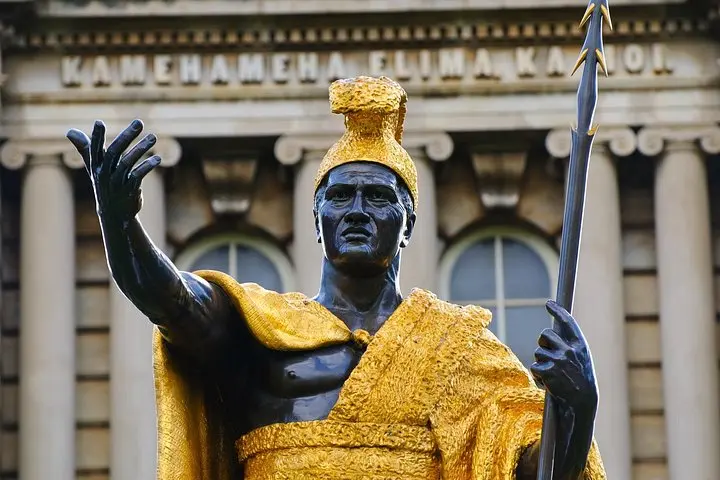


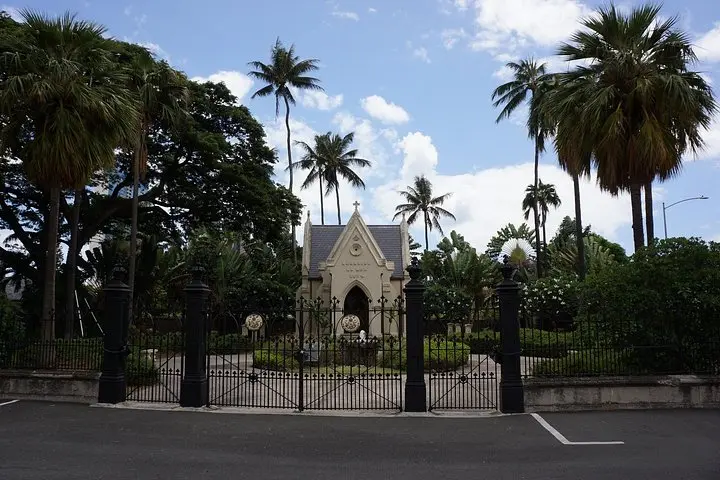
The morning light hits the bronze of King Kamehameha and the city exhales — traffic fades, and a slow, deliberate walk through Honolulu’s civic heart begins. You follow wide sidewalks past Aliʻiolani Hale’s stone façade, pause where marble steps have witnessed courtroom arguments and political change, then move on to a quiet grave lined with coral and native plants: the Tomb of King Lunalilo.
The morning light hits the bronze of King Kamehameha and the city exhales — traffic fades, and a slow, deliberate walk through Honolulu’s civic heart begins. You follow wide sidewalks past Aliʻiolani Hale’s stone façade, pause where marble steps have witnessed courtroom arguments and political change, then move on to a quiet grave lined with coral and native plants: the Tomb of King Lunalilo.
This five-hour private tour threads together Hawaii’s royal era and its 19th‑century pivot toward American governance. Geology underpins the city — low lava flows and coral reef terraces gave way to streets that now hold churches and government buildings — while cultural shifts from kapu to constitution, and kingdom to territory, ripple through each stop.
Expect a measured pace: the guide reads plaques and points out architectural details you’d miss alone, from Kawaiahaʻo Church’s coral block walls to Thomas Square’s role in sovereignty celebrations. The Honolulu Police Department Museum rounds out the story with artifacts that trace local law enforcement through changing times.
Practical guidance: wear supportive shoes for five hours of mostly flat walking, bring a refillable water bottle, and apply reef‑safe sunscreen — Oʻahu sun is direct year‑round. Photographs are welcomed, but treat memorials and church grounds with quiet respect. Private format means fewer interruptions and time to ask about genealogy, archaeology, and how downtown’s streets map onto older Hawaiian pathways.
This is a history walk that keeps its feet on the pavement: sensory, explanatory, and paced for travelers who want context as much as views.