THE ADVENTURE COLLECTIVE® · Independent discovery and booking for outdoor travel

Drive from Cape Town to the southernmost point of Africa on a private day trip that pairs Hermanus whale cliffs with the official meeting point of the Indian and Atlantic Oceans and a visit to Stony Point penguins.
Drive from Cape Town to the southernmost point of Africa on a private day trip that pairs Hermanus whale cliffs with the official meeting point of the Indian and Atlantic Oceans and a visit to Stony Point penguins.
A cold wind from the south pushes foam along the rocks as the road narrows toward a low, rocky headland where two oceans argue in surf and current. Visitors step from the vehicle onto gravel-swept paths and the world opens: a squat lighthouse, wind-scoured lichens, and a small plaque marking the official meeting point of the Indian and Atlantic.
Verified experiences and guided adventures in the surrounding area.
Operated by African Xplora · Cape Town, Western Cape
A cold wind from the south pushes foam along the rocks as the road narrows toward a low, rocky headland where two oceans argue in surf and current. Visitors step from the vehicle onto gravel-swept paths and the world opens: a squat lighthouse, wind-scoured lichens, and a small plaque marking the official meeting point of the Indian and Atlantic.
This route links Hermanus—famed for cliffside whale-watching and Cape Fynbos—to Cape Agulhas, the geographic southern tip of Africa. Geologically the coast is late‑Paleozoic to Mesozoic sedimentary rock cut by rugged wave action; the lighthouse (mid‑19th century heritage) guided early sailors around dangerous shoals, and the cape’s name—“Agulhas,” Portuguese for needles—reflects its early use as a magnetic reference.
The day also moves through Gansbaai’s fishing landscape and concludes with a visit to Stony Point penguin colony, home to thousands of endangered African penguins. Local culture is maritime: small fishing harbors and seaside towns with seafood kiosks and craft markets.
Practicalities: expect 10–12 hours with private pickup and door‑to‑door transport. Walks at Cape Agulhas and Stony Point are short but exposed; wear layers, sturdy shoes, and sun protection. Peak whale season runs June–November; penguin viewing is year‑round but best in calm weather. Bring water, a camera with zoom, and binoculars for cliffs around Hermanus. The operator usually includes entrance to Stony Point and a registered driver; plan for basic facilities in towns and limited services on the cape itself.
Yes—this is a private tour that typically includes door‑to‑door pickup and drop‑off; confirm your exact pickup point at booking.
Southern Right whales are most commonly seen from June through November when they frequent Walker Bay near Hermanus.
The tour lists entrance to Stony Point as included—confirm with the operator for any changes to access or conservation restrictions.
You’ll stop in towns like Hermanus and Gansbaai where basic facilities and eateries are available; services at Cape Agulhas are limited, so use facilities when offered.
African Xplora operates guided outdoor trips and adventures with an emphasis on safety, stewardship, and memorable experiences.

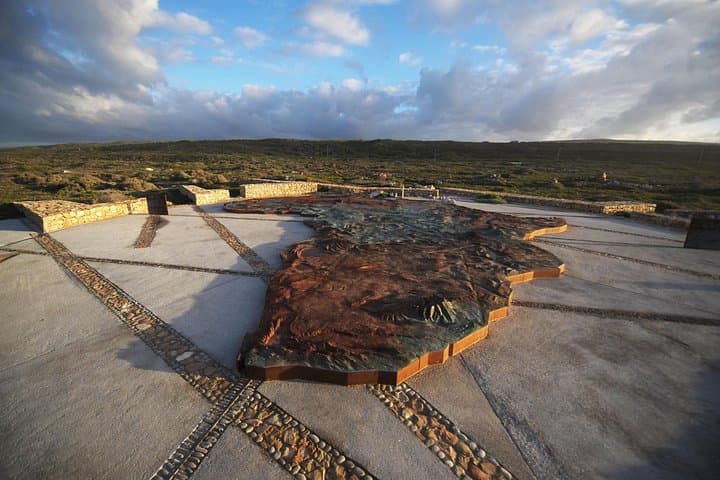

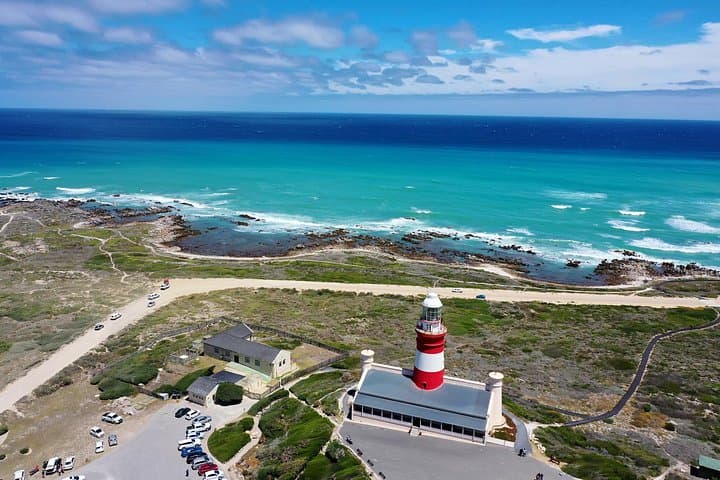
A cold wind from the south pushes foam along the rocks as the road narrows toward a low, rocky headland where two oceans argue in surf and current. Visitors step from the vehicle onto gravel-swept paths and the world opens: a squat lighthouse, wind-scoured lichens, and a small plaque marking the official meeting point of the Indian and Atlantic.
A cold wind from the south pushes foam along the rocks as the road narrows toward a low, rocky headland where two oceans argue in surf and current. Visitors step from the vehicle onto gravel-swept paths and the world opens: a squat lighthouse, wind-scoured lichens, and a small plaque marking the official meeting point of the Indian and Atlantic.
This route links Hermanus—famed for cliffside whale-watching and Cape Fynbos—to Cape Agulhas, the geographic southern tip of Africa. Geologically the coast is late‑Paleozoic to Mesozoic sedimentary rock cut by rugged wave action; the lighthouse (mid‑19th century heritage) guided early sailors around dangerous shoals, and the cape’s name—“Agulhas,” Portuguese for needles—reflects its early use as a magnetic reference.
The day also moves through Gansbaai’s fishing landscape and concludes with a visit to Stony Point penguin colony, home to thousands of endangered African penguins. Local culture is maritime: small fishing harbors and seaside towns with seafood kiosks and craft markets.
Practicalities: expect 10–12 hours with private pickup and door‑to‑door transport. Walks at Cape Agulhas and Stony Point are short but exposed; wear layers, sturdy shoes, and sun protection. Peak whale season runs June–November; penguin viewing is year‑round but best in calm weather. Bring water, a camera with zoom, and binoculars for cliffs around Hermanus. The operator usually includes entrance to Stony Point and a registered driver; plan for basic facilities in towns and limited services on the cape itself.