THE ADVENTURE COLLECTIVE® · Independent discovery and booking for outdoor travel

Combine up-close Southern Right Whale encounters with a Benguela wine tasting on this 5-hour Hermanus shoreline activity. Expert naturalists and sommeliers guide the day—expect calm mornings, layered clothing, and binocular-worthy moments.
Combine up-close Southern Right Whale encounters with a Benguela wine tasting on this 5-hour Hermanus shoreline activity. Expert naturalists and sommeliers guide the day—expect calm mornings, layered clothing, and binocular-worthy moments.
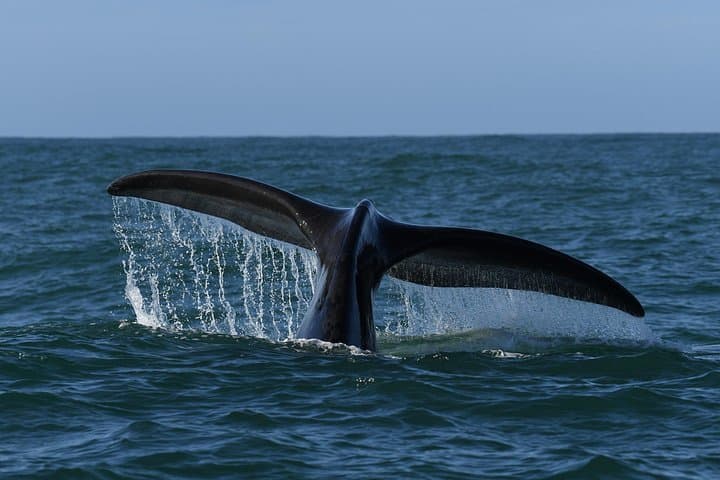
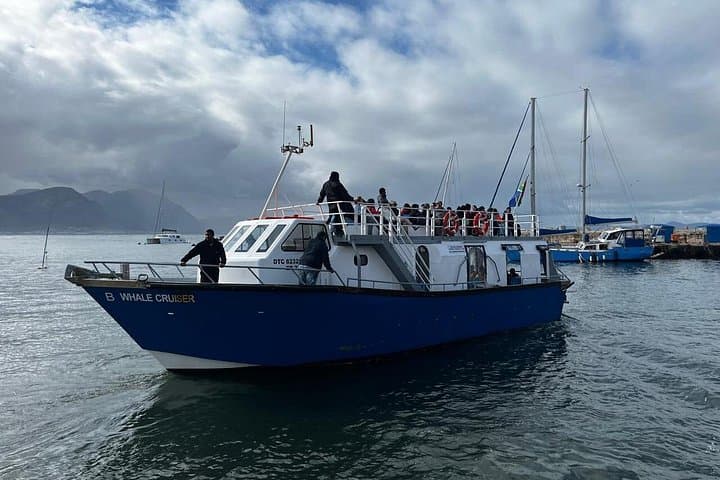
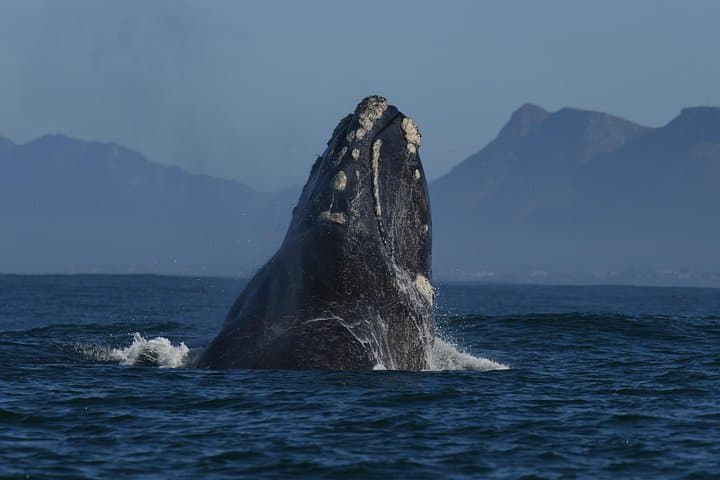
Salt air cuts sharp along the shoreline as the boat slips from Hermanus harbor; gulls wheel and the ocean shakes with the roll of a distant tail. On clear days the sea flashes turquoise, and when a Southern Right Whale rises the surface, it alters the whole rhythm of the bay—breaching, tail-slapping, daring you to look away.
Verified experiences and guided adventures in the surrounding area.
Operated by KJA Tours (Pty)Ltd · Hermanus, Western Cape
Salt air cuts sharp along the shoreline as the boat slips from Hermanus harbor; gulls wheel and the ocean shakes with the roll of a distant tail. On clear days the sea flashes turquoise, and when a Southern Right Whale rises the surface, it alters the whole rhythm of the bay—breaching, tail-slapping, daring you to look away.
Hermanus sits on Walker Bay, an area shaped by Cape Fold Mountains and cool Atlantic currents that bring nutrients and, each winter, migrating whales. The town’s fishing and whaling past has shifted toward conservation: whale-spotting here mixes natural history with local viticulture, where Benguela wines reflect the cool coastal climate and shale-rich soils.
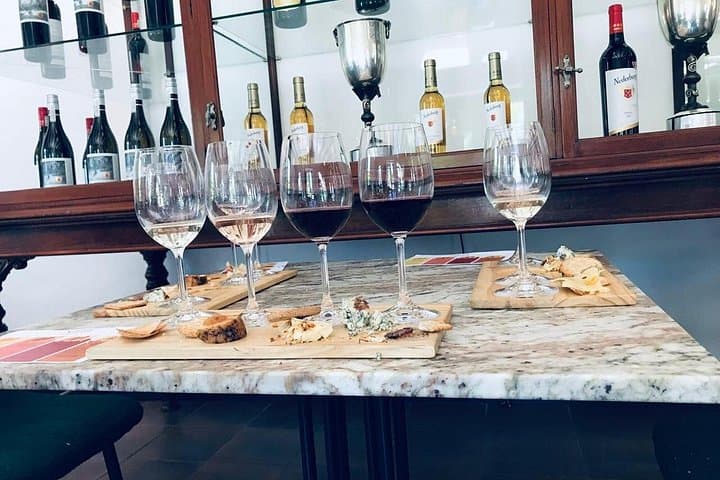
Naturalists aboard explain whale behavior and calving cycles while sommeliers guide a tasting that ties marine life to terroir—the same cold Benguela Current that feeds krill also cools the vine-ripening window. Cultural touches include visits to small cellar doors and a sense of community that orients around sea and harvest.
Practical guidance: plan for 5 hours, dress in windproof layers and non-slip shoes, and bring binoculars and motion-sickness remedies if you’re prone to seasickness. Mornings offer calmer seas and more consistent light for photography; afternoons can stiffen in the bay. Respect distance rules—viewing is best when quiet and patient. If you’re staying in Hermanus, allow time for a short walk along the cliff path after the trip; the town’s whale museum and Stony Point penguin colony make good bookends to the day.
Whales are most commonly seen between June and November, with peak sightings often in winter (July–August) when Southern Right Whales come close to breed and calve.
Yes—infants are allowed but must sit on an adult’s lap; specialized infant seats may be available. Check operator guidelines for age limits.
Operators monitor sea conditions; mild wind is common but trips may be altered for safety—cancel at least 24 hours in advance for a full refund under the listed policy.
Yes—there are meeting points in town such as The Barbourin Hermanus, and public transport options exist nearby; confirm pickup details when booking.
KJA Tours (Pty)Ltd operates guided outdoor trips and adventures with an emphasis on safety, stewardship, and memorable experiences.
Salt air cuts sharp along the shoreline as the boat slips from Hermanus harbor; gulls wheel and the ocean shakes with the roll of a distant tail. On clear days the sea flashes turquoise, and when a Southern Right Whale rises the surface, it alters the whole rhythm of the bay—breaching, tail-slapping, daring you to look away.
Salt air cuts sharp along the shoreline as the boat slips from Hermanus harbor; gulls wheel and the ocean shakes with the roll of a distant tail. On clear days the sea flashes turquoise, and when a Southern Right Whale rises the surface, it alters the whole rhythm of the bay—breaching, tail-slapping, daring you to look away.
Hermanus sits on Walker Bay, an area shaped by Cape Fold Mountains and cool Atlantic currents that bring nutrients and, each winter, migrating whales. The town’s fishing and whaling past has shifted toward conservation: whale-spotting here mixes natural history with local viticulture, where Benguela wines reflect the cool coastal climate and shale-rich soils.
Naturalists aboard explain whale behavior and calving cycles while sommeliers guide a tasting that ties marine life to terroir—the same cold Benguela Current that feeds krill also cools the vine-ripening window. Cultural touches include visits to small cellar doors and a sense of community that orients around sea and harvest.
Practical guidance: plan for 5 hours, dress in windproof layers and non-slip shoes, and bring binoculars and motion-sickness remedies if you’re prone to seasickness. Mornings offer calmer seas and more consistent light for photography; afternoons can stiffen in the bay. Respect distance rules—viewing is best when quiet and patient. If you’re staying in Hermanus, allow time for a short walk along the cliff path after the trip; the town’s whale museum and Stony Point penguin colony make good bookends to the day.