THE ADVENTURE COLLECTIVE® · Independent discovery and booking for outdoor travel

Set off from Hermanus for a full-day boat tour into Walker Bay where Southern Right whales and other marine life gather. Expect close natural encounters, practical guidance on sea conditions, and local insights into conservation and coastal geology.
Set off from Hermanus for a full-day boat tour into Walker Bay where Southern Right whales and other marine life gather. Expect close natural encounters, practical guidance on sea conditions, and local insights into conservation and coastal geology.
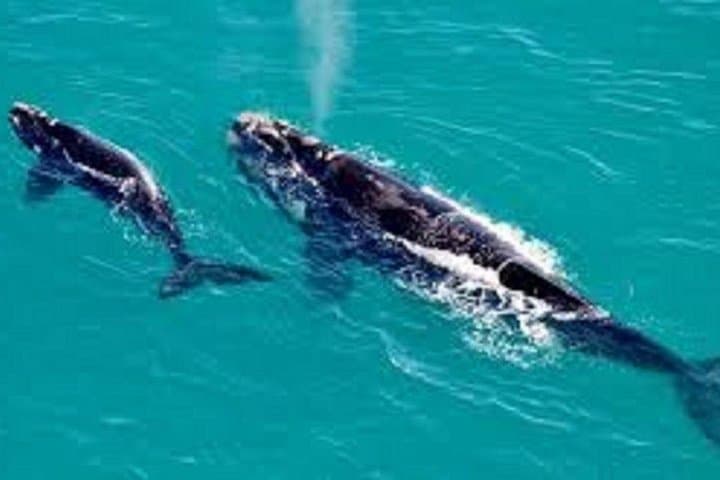
You step from the cliff path into the harbor and the sea opens up like a challenge: cool, flat expanses interrupted by blows and the black backs of whales rolling in Walker Bay. The boat shudders off the jetty, gulls wheel, and the shoreline—folded sandstone cliffs and low scrub—slides away until the only landmarks are the white blows and the slow, deliberate spouts breaking the horizon.
Verified experiences and guided adventures in the surrounding area.
Operated by Explore Africa Tours (Pty) Ltd · Hermanus, Western Cape
You step from the cliff path into the harbor and the sea opens up like a challenge: cool, flat expanses interrupted by blows and the black backs of whales rolling in Walker Bay. The boat shudders off the jetty, gulls wheel, and the shoreline—folded sandstone cliffs and low scrub—slides away until the only landmarks are the white blows and the slow, deliberate spouts breaking the horizon.
Hermanus sits on a bay carved by nearby Table Mountain-era geology; the same currents that sweep nutrients into Walker Bay once made this area a whaling center in the 19th and early 20th centuries. Today the town is a hub for marine tourism and conservation, with viewing regulations and a marine protected area that helped Southern Right populations rebound.
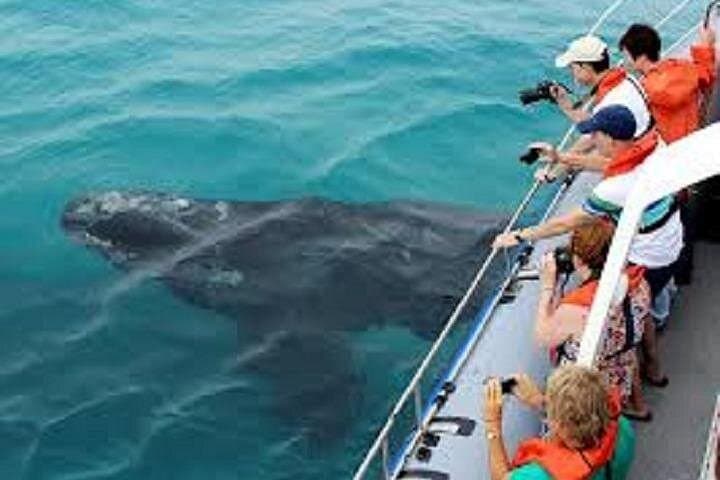
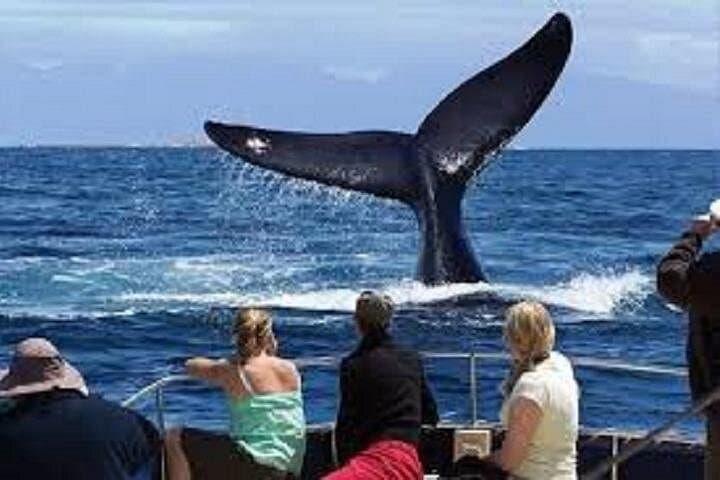
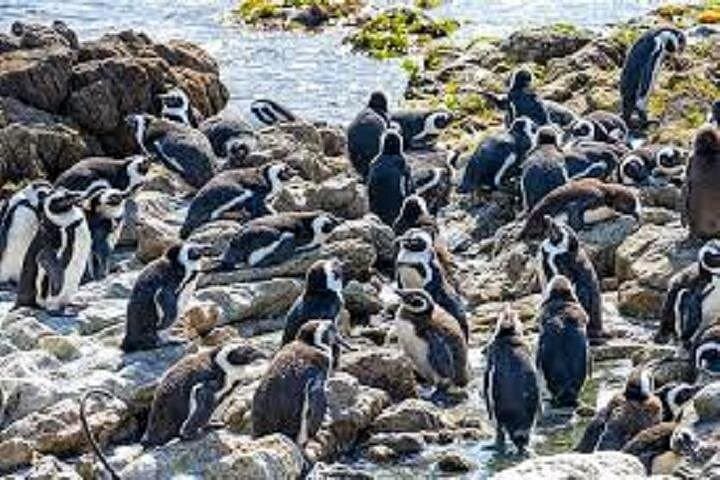
On a full-day trip you’ll cross productive shelf waters where whales come to breed and calve. Captains listen for blows, watch for tail flukes, and hand down quiet guidance to keep encounters respectful. You may also visit coastal bird colonies and stop near a penguin roost for a quick look.
Practical edge: expect wind and spray—layers and a waterproof outer shell are non-negotiable. Take seasickness prevention before boarding if you’re sensitive; boats can roll even on calm days. Binoculars and a telephoto lens will reward patient observers, but keep your camera ready for sudden blows and spy-hops.
Timing matters: the best months concentrate in the southern winter and spring. Book morning departures for lighter swell and clearer light. Follow your guide’s safety briefing, respect wildlife-distance rules, and you’ll come away with real sightings and a clearer sense of why these waters matter.
Southern Right whales are most commonly seen from late winter into spring—roughly June through November—with peaks around August–October.
This is a full-day tour (about nine hours) that typically includes boat time in Walker Bay, commentary from a guide, and any boat/harbor fees as listed.
Trips are suitable for most ages but not recommended for pregnant people or those with serious back or heart conditions; infants must sit on laps per operator policy.
Walker Bay is a productive habitat and sightings are common during season, but wildlife is never guaranteed—operators often adjust routes to maximize opportunities.
Explore Africa Tours (Pty) Ltd operates guided outdoor trips and adventures with an emphasis on safety, stewardship, and memorable experiences.
You step from the cliff path into the harbor and the sea opens up like a challenge: cool, flat expanses interrupted by blows and the black backs of whales rolling in Walker Bay. The boat shudders off the jetty, gulls wheel, and the shoreline—folded sandstone cliffs and low scrub—slides away until the only landmarks are the white blows and the slow, deliberate spouts breaking the horizon.
You step from the cliff path into the harbor and the sea opens up like a challenge: cool, flat expanses interrupted by blows and the black backs of whales rolling in Walker Bay. The boat shudders off the jetty, gulls wheel, and the shoreline—folded sandstone cliffs and low scrub—slides away until the only landmarks are the white blows and the slow, deliberate spouts breaking the horizon.
Hermanus sits on a bay carved by nearby Table Mountain-era geology; the same currents that sweep nutrients into Walker Bay once made this area a whaling center in the 19th and early 20th centuries. Today the town is a hub for marine tourism and conservation, with viewing regulations and a marine protected area that helped Southern Right populations rebound.
On a full-day trip you’ll cross productive shelf waters where whales come to breed and calve. Captains listen for blows, watch for tail flukes, and hand down quiet guidance to keep encounters respectful. You may also visit coastal bird colonies and stop near a penguin roost for a quick look.
Practical edge: expect wind and spray—layers and a waterproof outer shell are non-negotiable. Take seasickness prevention before boarding if you’re sensitive; boats can roll even on calm days. Binoculars and a telephoto lens will reward patient observers, but keep your camera ready for sudden blows and spy-hops.
Timing matters: the best months concentrate in the southern winter and spring. Book morning departures for lighter swell and clearer light. Follow your guide’s safety briefing, respect wildlife-distance rules, and you’ll come away with real sightings and a clearer sense of why these waters matter.