THE ADVENTURE COLLECTIVE® · Independent discovery and booking for outdoor travel

Spend an 8-hour day from Konjic through Mostar, Blagaj, Počitelj and Kravice Waterfalls—an accessible route combining Ottoman history, karst springs and a dramatic waterfall. This tour pairs easy walking with striking photo stops and a swim option in summer.
Spend an 8-hour day from Konjic through Mostar, Blagaj, Počitelj and Kravice Waterfalls—an accessible route combining Ottoman history, karst springs and a dramatic waterfall. This tour pairs easy walking with striking photo stops and a swim option in summer.
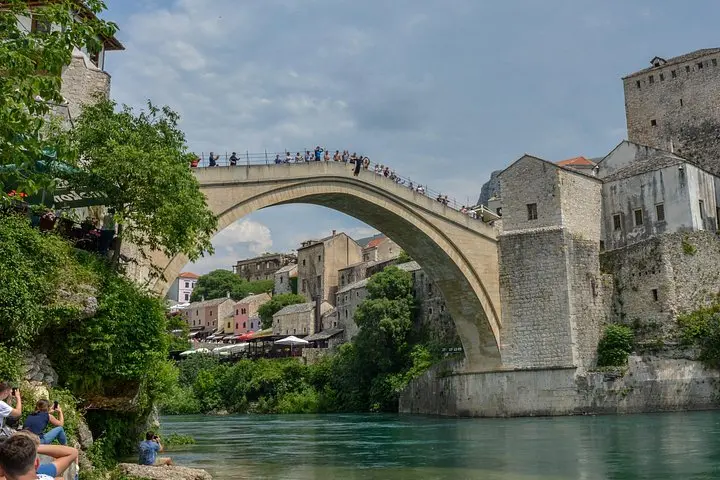
The bus eases out of Konjic as the Neretva valley opens—green terraces give way to limestone slopes and the river narrows into a throat of turquoise. You step off at Mostar and the Old Bridge greets you: stone arches, fishermen on the banks, and the low rush of river water daring you to look closer.
Verified experiences and guided adventures in the surrounding area.
Operated by Visit Konjic · Mostar, Federation of Bosnia and Herzegovina
The bus eases out of Konjic as the Neretva valley opens—green terraces give way to limestone slopes and the river narrows into a throat of turquoise. You step off at Mostar and the Old Bridge greets you: stone arches, fishermen on the banks, and the low rush of river water daring you to look closer.
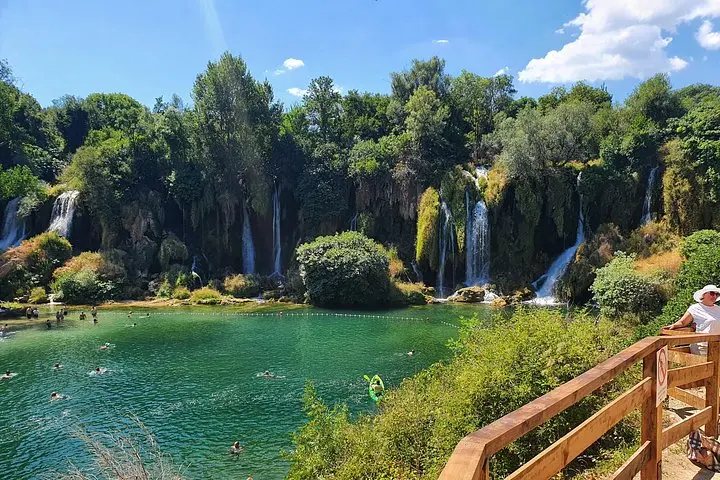
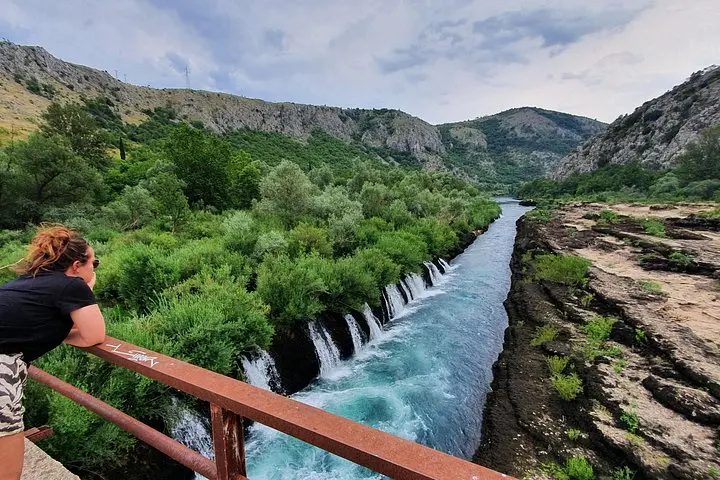
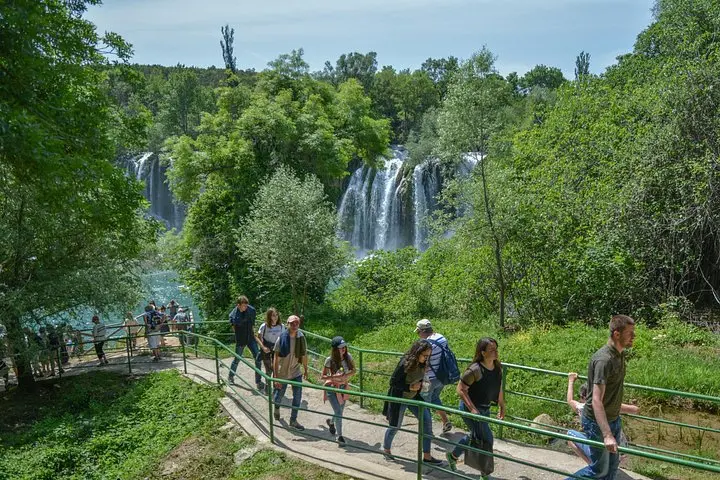
This loop through southern Bosnia and Herzegovina stitches together Ottoman-era towns, medieval fortresses and karst geology. Mostar’s Stari Most (16th century) marks the meeting of cultures; downstream at Blagaj, the Buna springs spill from a cave beneath a cliff and feed a riverside tekke—an Ottoman Sufi house built beside the surge. Počitelj sits on a bluff with a 15th-century citadel where Bosnian kings and later Ottoman governors watched the Neretva corridor. Kravice Waterfalls, a 120m-wide curtain dropping up to 25m over tufa steps, shows how limestone, water and time sculpt dramatic falls.
Expect easy walking with short stair climbs, photo stops and a lunch break—transport, guide and entrance fees are included. Terrain varies from cobbled streets to riverbank paths; bring footwear with traction if planning to approach the water. Summer invites swimming; spring and autumn offer cooler light and fewer crowds. Be prepared to move at a travel-group pace and to leave no trace at fragile karst sites.
Practical tip: carry local cash for small vendors, wear layered clothing for sudden mountain breezes, and plan for an 8-hour day that delivers history, geology and one of the region’s most memorable waterfalls.
Yes—round-trip transport between the meeting point in Konjic and all itinerary stops is included.
Swimming is generally allowed in summer when conditions are safe; lifeguards are not guaranteed, so swim at your own risk and follow guide instructions.
Walking is light to moderate: short strolls through Old Towns, stairs up to viewpoints, and brief walks at each stop—no technical hiking required.
The tour listing specifies entrance tickets and lunch are included, but confirm dietary needs when booking.
Visit Konjic operates guided outdoor trips and adventures with an emphasis on safety, stewardship, and memorable experiences.
The bus eases out of Konjic as the Neretva valley opens—green terraces give way to limestone slopes and the river narrows into a throat of turquoise. You step off at Mostar and the Old Bridge greets you: stone arches, fishermen on the banks, and the low rush of river water daring you to look closer.
The bus eases out of Konjic as the Neretva valley opens—green terraces give way to limestone slopes and the river narrows into a throat of turquoise. You step off at Mostar and the Old Bridge greets you: stone arches, fishermen on the banks, and the low rush of river water daring you to look closer.
This loop through southern Bosnia and Herzegovina stitches together Ottoman-era towns, medieval fortresses and karst geology. Mostar’s Stari Most (16th century) marks the meeting of cultures; downstream at Blagaj, the Buna springs spill from a cave beneath a cliff and feed a riverside tekke—an Ottoman Sufi house built beside the surge. Počitelj sits on a bluff with a 15th-century citadel where Bosnian kings and later Ottoman governors watched the Neretva corridor. Kravice Waterfalls, a 120m-wide curtain dropping up to 25m over tufa steps, shows how limestone, water and time sculpt dramatic falls.
Expect easy walking with short stair climbs, photo stops and a lunch break—transport, guide and entrance fees are included. Terrain varies from cobbled streets to riverbank paths; bring footwear with traction if planning to approach the water. Summer invites swimming; spring and autumn offer cooler light and fewer crowds. Be prepared to move at a travel-group pace and to leave no trace at fragile karst sites.
Practical tip: carry local cash for small vendors, wear layered clothing for sudden mountain breezes, and plan for an 8-hour day that delivers history, geology and one of the region’s most memorable waterfalls.