THE ADVENTURE COLLECTIVE® · Independent discovery and booking for outdoor travel

Drive from Dubrovnik into Herzegovina for a two-day family farm stay where stone ovens, peka roasts, and the ribboned Trebižet River set the pace. Expect honest, home-cooked meals, short village walks, and visits to Koćuša and Mostar with comfortable private lodging.
Drive from Dubrovnik into Herzegovina for a two-day family farm stay where stone ovens, peka roasts, and the ribboned Trebižet River set the pace. Expect honest, home-cooked meals, short village walks, and visits to Koćuša and Mostar with comfortable private lodging.
A low-slung stone house appears after a coastal drive and a quiet border crossing; olive trees cast quick shadows and the Trebižet River calls out with a soft, urgent rush. Guests arrive from Dubrovnik to a working family farm where ovens, iron-dome pekas, and wooden presses are part of daily rhythm. The first morning often begins with homemade bread, strong coffee, and a walk to Koćuša’s ribbon-like falls where limestone ledges shape the water and the river seems to dare you to linger.
Verified experiences and guided adventures in the surrounding area.
Operated by Private Tours Travel Agency · Dubrovnik, Dubrovnik-Neretva County
A low-slung stone house appears after a coastal drive and a quiet border crossing; olive trees cast quick shadows and the Trebižet River calls out with a soft, urgent rush. Guests arrive from Dubrovnik to a working family farm where ovens, iron-dome pekas, and wooden presses are part of daily rhythm. The first morning often begins with homemade bread, strong coffee, and a walk to Koćuša’s ribbon-like falls where limestone ledges shape the water and the river seems to dare you to linger.
This route sits in Herzegovina, a landscape carved by karst geology and centuries of mixed Ottoman and Austro-Hungarian influence that shaped local food, crafts, and village life. The culture here is agricultural: families have tended terraces, vineyards, and orchards for generations, and farm-to-table is lived rather than staged. Nearby Mostar and its Old Bridge carry layers of history; the region’s stone, spring-fed rivers, and microclimates produce olives, figs, and wine with distinct regional character.
Practically, expect two days of simple, comfortable accommodation in a private house, with meals included and short drives between points of interest. Paths are village lanes and dirt tracks—good footwear and a light rain shell are sensible. Bring a passport for border formalities, modest swimwear if you plan to paddle at permitted pools, and respect farm routines: help with simple tasks if invited, and avoid single-use plastics. The experience combines easy walking, culinary immersion, and direct contact with rural life—rewarding for travelers who want hands-on food culture and calm riverside scenery.
Yes—round-trip private transfer from Dubrovnik is included according to the itinerary.
Accommodation is a private house operated by the host family for overnight stays on the tour.
Hosts work with fresh, local ingredients—notify booking of restrictions in advance so menus can be adjusted.
Many nationalities enter Bosnia and Herzegovina without a visa for short visits, but travelers should verify entry requirements for their passport prior to travel.
Private Tours Travel Agency operates guided outdoor trips and adventures with an emphasis on safety, stewardship, and memorable experiences.
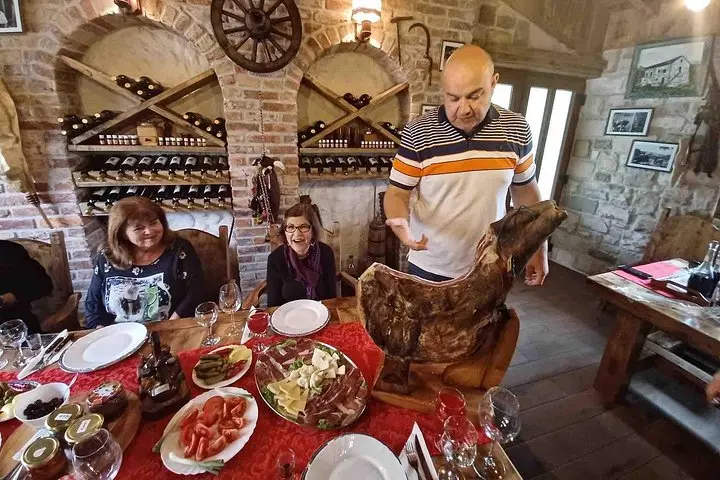
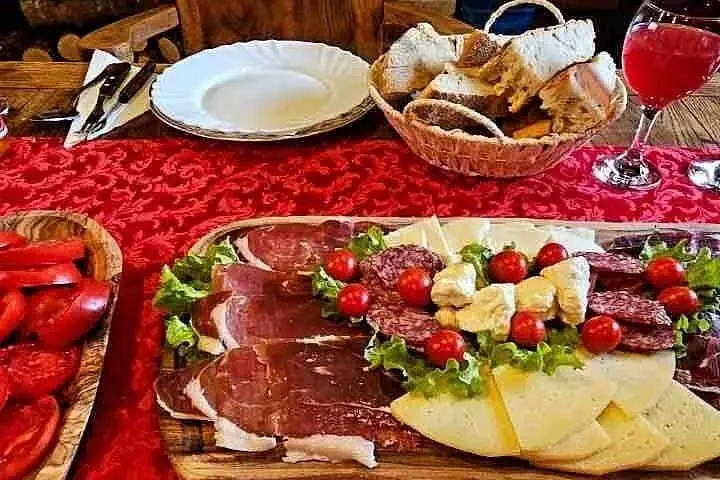
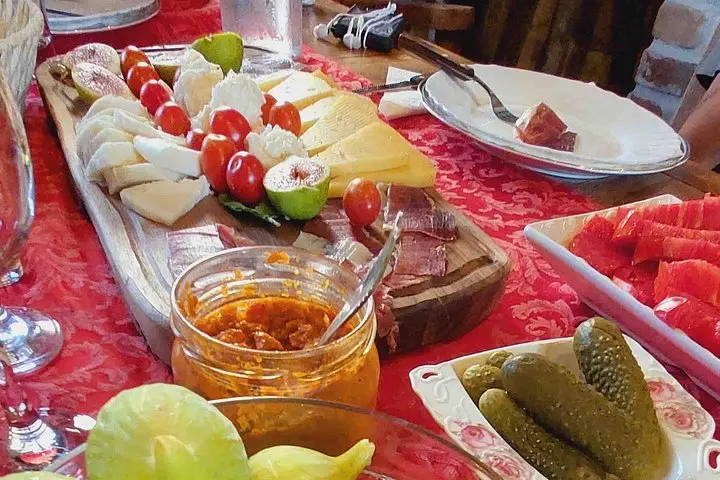

A low-slung stone house appears after a coastal drive and a quiet border crossing; olive trees cast quick shadows and the Trebižet River calls out with a soft, urgent rush. Guests arrive from Dubrovnik to a working family farm where ovens, iron-dome pekas, and wooden presses are part of daily rhythm. The first morning often begins with homemade bread, strong coffee, and a walk to Koćuša’s ribbon-like falls where limestone ledges shape the water and the river seems to dare you to linger.
A low-slung stone house appears after a coastal drive and a quiet border crossing; olive trees cast quick shadows and the Trebižet River calls out with a soft, urgent rush. Guests arrive from Dubrovnik to a working family farm where ovens, iron-dome pekas, and wooden presses are part of daily rhythm. The first morning often begins with homemade bread, strong coffee, and a walk to Koćuša’s ribbon-like falls where limestone ledges shape the water and the river seems to dare you to linger.
This route sits in Herzegovina, a landscape carved by karst geology and centuries of mixed Ottoman and Austro-Hungarian influence that shaped local food, crafts, and village life. The culture here is agricultural: families have tended terraces, vineyards, and orchards for generations, and farm-to-table is lived rather than staged. Nearby Mostar and its Old Bridge carry layers of history; the region’s stone, spring-fed rivers, and microclimates produce olives, figs, and wine with distinct regional character.
Practically, expect two days of simple, comfortable accommodation in a private house, with meals included and short drives between points of interest. Paths are village lanes and dirt tracks—good footwear and a light rain shell are sensible. Bring a passport for border formalities, modest swimwear if you plan to paddle at permitted pools, and respect farm routines: help with simple tasks if invited, and avoid single-use plastics. The experience combines easy walking, culinary immersion, and direct contact with rural life—rewarding for travelers who want hands-on food culture and calm riverside scenery.