THE ADVENTURE COLLECTIVE® · Independent discovery and booking for outdoor travel

Taste centuries of Black Forest tradition on a one-hour farm smoke tour in Herzogsweiler. Learn how local wood, weather, and curing techniques create the region’s iconic smoked hams, then sample the results.
Taste centuries of Black Forest tradition on a one-hour farm smoke tour in Herzogsweiler. Learn how local wood, weather, and curing techniques create the region’s iconic smoked hams, then sample the results.
The aroma hits before you see the smoke: wood and spice curling from a low-slung smokehouse while pine needles crackle underfoot. In Herzogsweiler, a compact farming community deep in the central Black Forest, the farm’s wooden door opens onto a room of hanging hams and racks of sausages — an honest, hands-on look at centuries-old smoking techniques.
Verified experiences and guided adventures in the surrounding area.
Operated by Räucherspezialitäten Pfau · Herzogsweiler, Baden-Württemberg
The aroma hits before you see the smoke: wood and spice curling from a low-slung smokehouse while pine needles crackle underfoot. In Herzogsweiler, a compact farming community deep in the central Black Forest, the farm’s wooden door opens onto a room of hanging hams and racks of sausages — an honest, hands-on look at centuries-old smoking techniques.
The Black Forest’s food culture grew from climate and geology: cool, damp valleys and abundant spruce and beech made smoking a practical way to preserve meat through long winters. Local farmers refined flavors over generations, combining salt, cold smoke, and slow aging. The smoke tour walks you through that lineage — from the curing rooms to the tasting table — while the guide explains wood choices, salting ratios, and how the region’s peat and fir influence taste.
Expect a small-group, accessible experience that blends food history with sensory demonstration. You’ll sample hearty ham and house-made specialties alongside brief insights into local farm life and regional customs. The farm sits near trails where the forest seems to press close, and the landscape’s rolling moraine and densely wooded slopes remind you why preservation and low-impact farming matter here.
Practical notes: the tour lasts about an hour, is mostly indoors and level underfoot, and accepts public-transport connections. Wear sensible shoes for the yard, bring a light jacket for the curing room’s cool air, and plan to taste several smoked varieties — some are salty and robust, others delicate and subtly resinous. Book ahead for private slots and check allergy options if you have dietary restrictions.
The guided farm smoke inspection and tasting runs about 60 minutes.
Yes — indoor areas, surfaces, and transportation options are listed as wheelchair accessible.
Children can attend; the tour contains food samples, but strong flavors may not appeal to very young kids.
For a full refund, cancel at least 24 hours before the scheduled departure time; same-day cancellations are non-refundable.
Räucherspezialitäten Pfau operates guided outdoor trips and adventures with an emphasis on safety, stewardship, and memorable experiences.
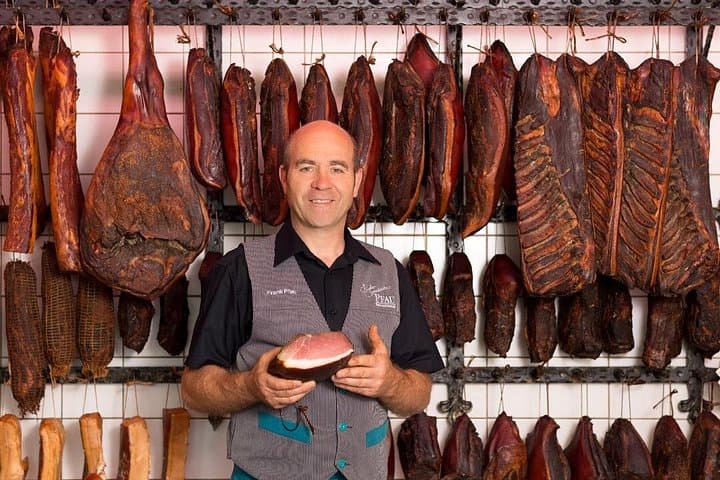


The aroma hits before you see the smoke: wood and spice curling from a low-slung smokehouse while pine needles crackle underfoot. In Herzogsweiler, a compact farming community deep in the central Black Forest, the farm’s wooden door opens onto a room of hanging hams and racks of sausages — an honest, hands-on look at centuries-old smoking techniques.
The aroma hits before you see the smoke: wood and spice curling from a low-slung smokehouse while pine needles crackle underfoot. In Herzogsweiler, a compact farming community deep in the central Black Forest, the farm’s wooden door opens onto a room of hanging hams and racks of sausages — an honest, hands-on look at centuries-old smoking techniques.
The Black Forest’s food culture grew from climate and geology: cool, damp valleys and abundant spruce and beech made smoking a practical way to preserve meat through long winters. Local farmers refined flavors over generations, combining salt, cold smoke, and slow aging. The smoke tour walks you through that lineage — from the curing rooms to the tasting table — while the guide explains wood choices, salting ratios, and how the region’s peat and fir influence taste.
Expect a small-group, accessible experience that blends food history with sensory demonstration. You’ll sample hearty ham and house-made specialties alongside brief insights into local farm life and regional customs. The farm sits near trails where the forest seems to press close, and the landscape’s rolling moraine and densely wooded slopes remind you why preservation and low-impact farming matter here.
Practical notes: the tour lasts about an hour, is mostly indoors and level underfoot, and accepts public-transport connections. Wear sensible shoes for the yard, bring a light jacket for the curing room’s cool air, and plan to taste several smoked varieties — some are salty and robust, others delicate and subtly resinous. Book ahead for private slots and check allergy options if you have dietary restrictions.