THE ADVENTURE COLLECTIVE® · Independent discovery and booking for outdoor travel

Skip the main squares and discover Venice through its quiet calli, working boatyards and local markets. This two-hour guided walk in Dorsoduro reveals hidden churches, a colossal canvas ceiling, and everyday Venetian rhythms.
Skip the main squares and discover Venice through its quiet calli, working boatyards and local markets. This two-hour guided walk in Dorsoduro reveals hidden churches, a colossal canvas ceiling, and everyday Venetian rhythms.
The morning light skims a quiet fundamental as you step off the talking points and into narrow calle where laundry swings and the smell of espresso follows you like a small companion.
Verified experiences and guided adventures in the surrounding area.
Operated by deTourist Venice Valerio Coppo · Venice, Veneto
The morning light skims a quiet fundamental as you step off the talking points and into narrow calle where laundry swings and the smell of espresso follows you like a small companion.
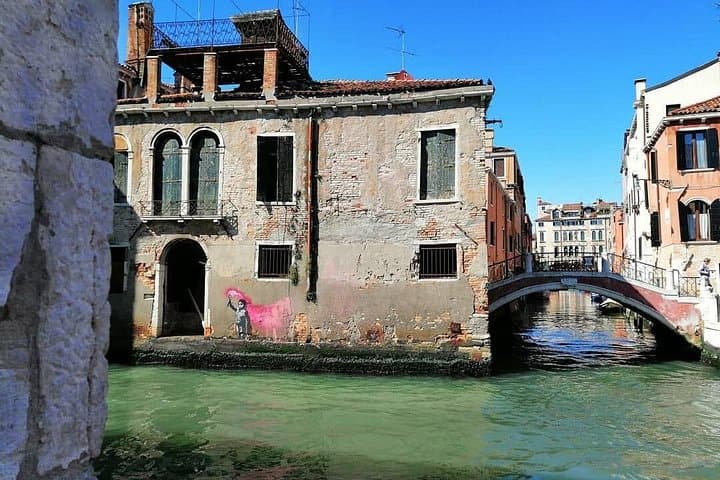
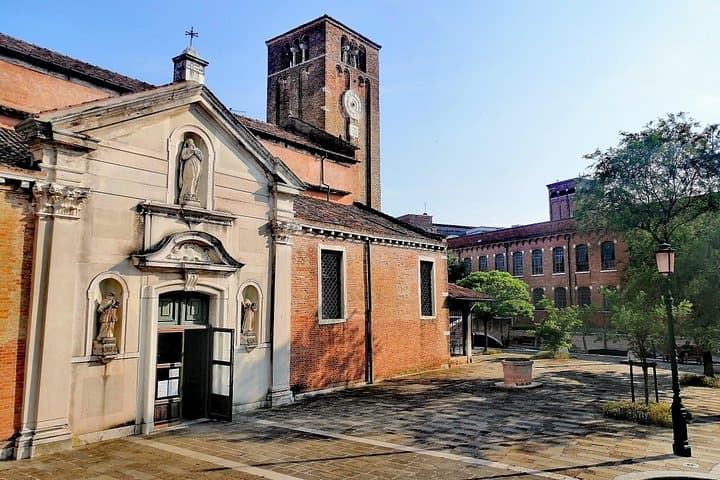
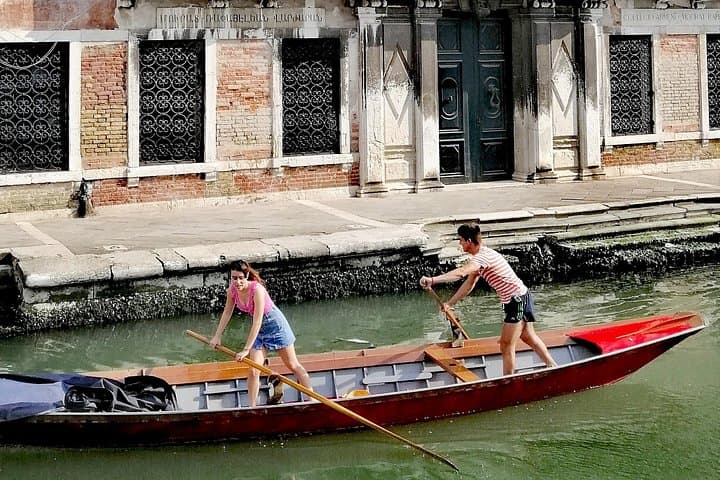
This two-hour walk moves through Dorsoduro and nearby sestieri, following canals that once carried timber and coal and now reflect courtyard facades. Guides point out Ca’ Foscari’s Venetian Gothic windows, the vast painted ceiling of San Pantalon, and the 19th-century Molino Stucky across the Giudecca—each site a page in Venice’s long maritime and civic history. You’ll pass a working squero where gondolas are still shaped by hand, and pause at Campo Santa Margherita to watch local life unfold.
Geology is subtle here: the city sits on lagoon sediments and timber piles, which is why narrow streets and low bridges feel immediate—Venice’s landscape demands a slow, careful pace. Culturally, these neighborhoods are lived-in: kids play in campos, markets arrive by boat, and façades show layers of reuse from the Republic to modern hospitality.
Practical notes: travel early to avoid larger crowds and to see produce boats unloaded at the riverside market; wear non-slip shoes—the ground can be damp and uneven; carry a refillable water bottle and a lightweight rain layer; bring small-change euros for coffees and the occasional church donation. The walk is low-impact but tight in places, so be prepared to step aside for locals and boats. Respect private entrances and avoid feeding birds—the city’s balance depends on small acts of care.
Meeting is usually in a small campiello near Ca’ Foscari; the exact location is provided after booking and is accessible by foot or vaporetto.
Strollers can be used in many sections but expect steps and narrow bridges; full wheelchair access is limited by bridges and uneven pavements—contact the operator for options.
Admissions are generally not included; the tour focuses on exterior views and selected interior visits where stated—bring cash for small entrance donations.
Yes—private groups can request alternative neighborhoods like Cannaregio or San Polo; shared itineraries follow the standard route.
deTourist Venice Valerio Coppo operates guided outdoor trips and adventures with an emphasis on safety, stewardship, and memorable experiences.
The morning light skims a quiet fundamental as you step off the talking points and into narrow calle where laundry swings and the smell of espresso follows you like a small companion.
The morning light skims a quiet fundamental as you step off the talking points and into narrow calle where laundry swings and the smell of espresso follows you like a small companion.
This two-hour walk moves through Dorsoduro and nearby sestieri, following canals that once carried timber and coal and now reflect courtyard facades. Guides point out Ca’ Foscari’s Venetian Gothic windows, the vast painted ceiling of San Pantalon, and the 19th-century Molino Stucky across the Giudecca—each site a page in Venice’s long maritime and civic history. You’ll pass a working squero where gondolas are still shaped by hand, and pause at Campo Santa Margherita to watch local life unfold.
Geology is subtle here: the city sits on lagoon sediments and timber piles, which is why narrow streets and low bridges feel immediate—Venice’s landscape demands a slow, careful pace. Culturally, these neighborhoods are lived-in: kids play in campos, markets arrive by boat, and façades show layers of reuse from the Republic to modern hospitality.
Practical notes: travel early to avoid larger crowds and to see produce boats unloaded at the riverside market; wear non-slip shoes—the ground can be damp and uneven; carry a refillable water bottle and a lightweight rain layer; bring small-change euros for coffees and the occasional church donation. The walk is low-impact but tight in places, so be prepared to step aside for locals and boats. Respect private entrances and avoid feeding birds—the city’s balance depends on small acts of care.