THE ADVENTURE COLLECTIVE® · Independent discovery and booking for outdoor travel

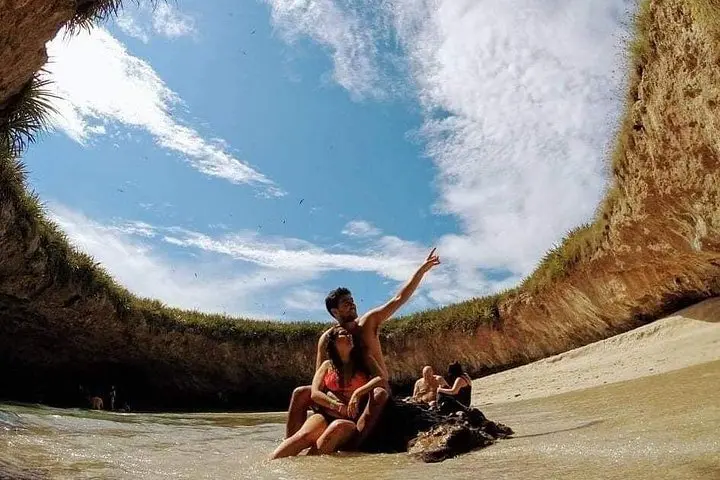
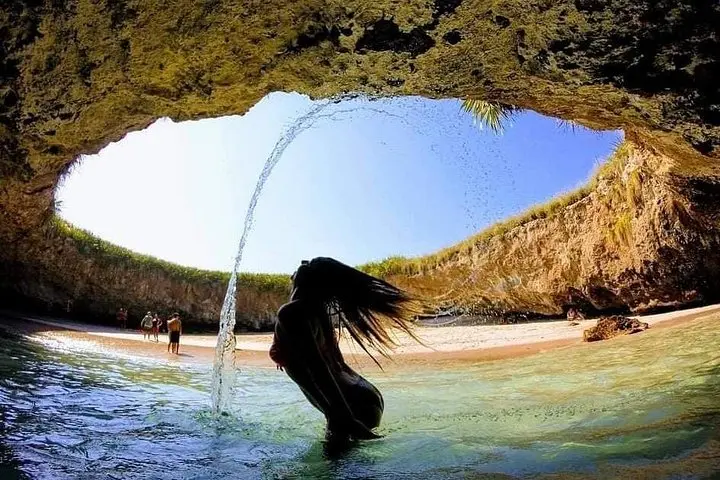
Short boat rides from Punta de Mita open onto a pocket of volcanic rock, white sand and a dramatic flooded crater — the Marietas’ famous hidden beach. This guided snorkel and boat tour pairs reef swims, birdwatching and a regulated landing at Playa Nopalera.
Short boat rides from Punta de Mita open onto a pocket of volcanic rock, white sand and a dramatic flooded crater — the Marietas’ famous hidden beach. This guided snorkel and boat tour pairs reef swims, birdwatching and a regulated landing at Playa Nopalera.
The morning air off Punta de Mita tastes of salt and diesel; a small fleet rocks at the jetty, engines ticking like impatient hearts. Within 20–30 minutes the coastline falls away and the Marietas rise from the Pacific — low, pockmarked volcanic islets where surf grooms the rock and seabirds wheel overhead.
Verified experiences and guided adventures in the surrounding area.
Operated by Marieta Sport Fishing · Punta de Mita, Nayarit
The morning air off Punta de Mita tastes of salt and diesel; a small fleet rocks at the jetty, engines ticking like impatient hearts. Within 20–30 minutes the coastline falls away and the Marietas rise from the Pacific — low, pockmarked volcanic islets where surf grooms the rock and seabirds wheel overhead.
These islands are volcanic remnants sculpted by waves and wind, later scarred by mid-20th-century military testing and now protected as a national marine park. Currents around the reefs push nutrient-rich water through rocky walls, making the shallows a compact cathedral for coral and schooling fish. Local fishers and guides in Nayarit know the islands for blue-footed boobies, manta rays, and seasonal humpback whales that pass close enough to hear.
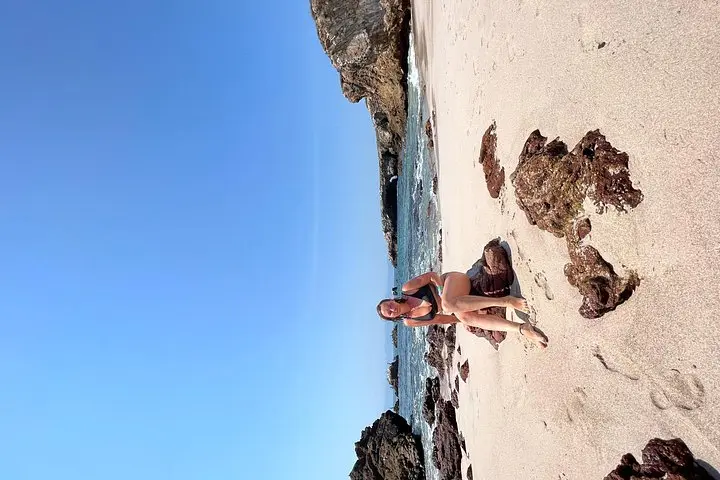
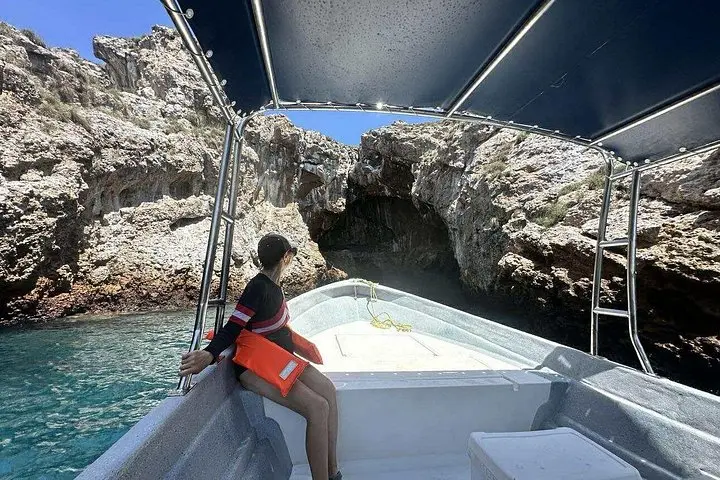
On this 3–4 hour trip visitors meet at the Punta de Mita jetty, board an outboard boat, and work with park rangers to enter regulated zones. Snorkeling is the main draw — masks reveal colorful parrotfish, angelfish, and coral heads — followed by a stop on Playa Nopalera and a close approach to the hidden beach crater when conditions and ranger rules allow.
Practical notes: bring reef-safe sunscreen, a snug mask, and a sense of balance for boarding pangas. Landings are small and sometimes require light swimming; rangers limit time ashore to protect nesting birds and fragile substrate. Tours run mornings for calmer seas and clearer snorkeling. Respect closures, keep distance from wildlife, and pack out any waste — the archipelago is small and fragile, and visitors help keep it that way.
You don’t need to be an expert, but you should be comfortable swimming short distances and floating in open water; guides can assist with entry and exit.
No — landings are controlled by park rangers and depend on tides, swell and protection rules; sometimes the visit is from the water only.
Most tours include snorkel gear and life vests; bringing your own mask often improves comfort and fit.
Humpback whales are most common in winter months (December–March); manta ray sightings vary but are more likely in productive, calm-water periods.
Marieta Sport Fishing operates guided outdoor trips and adventures with an emphasis on safety, stewardship, and memorable experiences.
The morning air off Punta de Mita tastes of salt and diesel; a small fleet rocks at the jetty, engines ticking like impatient hearts. Within 20–30 minutes the coastline falls away and the Marietas rise from the Pacific — low, pockmarked volcanic islets where surf grooms the rock and seabirds wheel overhead.
The morning air off Punta de Mita tastes of salt and diesel; a small fleet rocks at the jetty, engines ticking like impatient hearts. Within 20–30 minutes the coastline falls away and the Marietas rise from the Pacific — low, pockmarked volcanic islets where surf grooms the rock and seabirds wheel overhead.
These islands are volcanic remnants sculpted by waves and wind, later scarred by mid-20th-century military testing and now protected as a national marine park. Currents around the reefs push nutrient-rich water through rocky walls, making the shallows a compact cathedral for coral and schooling fish. Local fishers and guides in Nayarit know the islands for blue-footed boobies, manta rays, and seasonal humpback whales that pass close enough to hear.
On this 3–4 hour trip visitors meet at the Punta de Mita jetty, board an outboard boat, and work with park rangers to enter regulated zones. Snorkeling is the main draw — masks reveal colorful parrotfish, angelfish, and coral heads — followed by a stop on Playa Nopalera and a close approach to the hidden beach crater when conditions and ranger rules allow.
Practical notes: bring reef-safe sunscreen, a snug mask, and a sense of balance for boarding pangas. Landings are small and sometimes require light swimming; rangers limit time ashore to protect nesting birds and fragile substrate. Tours run mornings for calmer seas and clearer snorkeling. Respect closures, keep distance from wildlife, and pack out any waste — the archipelago is small and fragile, and visitors help keep it that way.