THE ADVENTURE COLLECTIVE® · Independent discovery and booking for outdoor travel

Discover the French Quarter’s secret courtyards on a two-hour walking tour that explores historic homes, horticultural surprises, and urban design adapted to delta life. Expect shady gardens, ironwork gates, and stories that connect architecture to climate and culture.
Discover the French Quarter’s secret courtyards on a two-hour walking tour that explores historic homes, horticultural surprises, and urban design adapted to delta life. Expect shady gardens, ironwork gates, and stories that connect architecture to climate and culture.
The tour begins at a wrought-iron gate on Royal Street where morning light slices through magnolia leaves and the city’s heartbeat softens to the whisper of courtyard fountains. Guides lead small groups past the Hermann-Grima House and along narrow alleys where brick and stucco facades give way to secret garden rooms—shade-draped, humid, and intensely green—an unexpected contrast to the busy streets outside.
Verified experiences and guided adventures in the surrounding area.
Operated by Opatrip.com USA · New Orleans, Louisiana
The tour begins at a wrought-iron gate on Royal Street where morning light slices through magnolia leaves and the city’s heartbeat softens to the whisper of courtyard fountains. Guides lead small groups past the Hermann-Grima House and along narrow alleys where brick and stucco facades give way to secret garden rooms—shade-draped, humid, and intensely green—an unexpected contrast to the busy streets outside.
The walk traces layers of New Orleans history: 18th- and 19th-century French and Spanish planning, American Federal and Victorian architecture, and the Creole domestic traditions that shaped these private outdoor spaces. Geologically the Quarter sits on Mississippi River delta sediments; heavy clay and high water tables influenced raised homes and interior courtyards designed to improve airflow and shed rain.
Culturally, courtyards are living rooms that once held cisterns, kitchens, and social life; they still hold botanicals brought from the Caribbean and West Africa, palms and Confederate jasmines that give the Quarter its particular scent. Locals treat these spaces with quiet respect—many are private, framed behind ironwork and narrow entries.
Practical guidance: wear sturdy walking shoes for uneven sidewalks and occasional cobbles, bring a refillable water bottle for humid days, and time your visit for morning or late afternoon to enjoy cooler light and fewer crowds. Photography is welcomed but be mindful of residents and private property. The tour is about two hours of easy walking, primarily on flat urban terrain, with a steady procession of architectural and horticultural highlights that reveal how human design tamed heat, humidity, and city life into these green refuges.
This tour focuses on exteriors and courtyard views; interior admission is not included but the guide will provide historical context.
The French Quarter has uneven sidewalks and narrow passages; some sections may be challenging—contact the operator about accessibility accommodations before booking.
Tours are conducted as private small-group experiences to keep movement through narrow streets manageable and respectful to residents.
Full refunds are available if you cancel at least 24 hours before the scheduled departure time.
Opatrip.com USA operates guided outdoor trips and adventures with an emphasis on safety, stewardship, and memorable experiences.



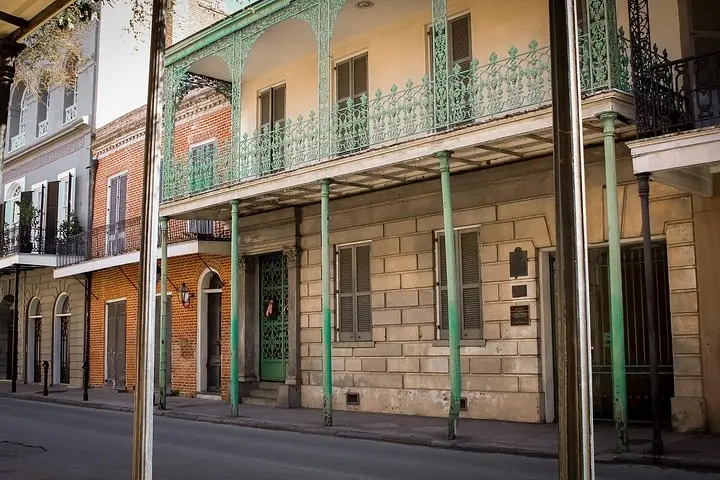
The tour begins at a wrought-iron gate on Royal Street where morning light slices through magnolia leaves and the city’s heartbeat softens to the whisper of courtyard fountains. Guides lead small groups past the Hermann-Grima House and along narrow alleys where brick and stucco facades give way to secret garden rooms—shade-draped, humid, and intensely green—an unexpected contrast to the busy streets outside.
The tour begins at a wrought-iron gate on Royal Street where morning light slices through magnolia leaves and the city’s heartbeat softens to the whisper of courtyard fountains. Guides lead small groups past the Hermann-Grima House and along narrow alleys where brick and stucco facades give way to secret garden rooms—shade-draped, humid, and intensely green—an unexpected contrast to the busy streets outside.
The walk traces layers of New Orleans history: 18th- and 19th-century French and Spanish planning, American Federal and Victorian architecture, and the Creole domestic traditions that shaped these private outdoor spaces. Geologically the Quarter sits on Mississippi River delta sediments; heavy clay and high water tables influenced raised homes and interior courtyards designed to improve airflow and shed rain.
Culturally, courtyards are living rooms that once held cisterns, kitchens, and social life; they still hold botanicals brought from the Caribbean and West Africa, palms and Confederate jasmines that give the Quarter its particular scent. Locals treat these spaces with quiet respect—many are private, framed behind ironwork and narrow entries.
Practical guidance: wear sturdy walking shoes for uneven sidewalks and occasional cobbles, bring a refillable water bottle for humid days, and time your visit for morning or late afternoon to enjoy cooler light and fewer crowds. Photography is welcomed but be mindful of residents and private property. The tour is about two hours of easy walking, primarily on flat urban terrain, with a steady procession of architectural and horticultural highlights that reveal how human design tamed heat, humidity, and city life into these green refuges.