THE ADVENTURE COLLECTIVE® · Independent discovery and booking for outdoor travel

Visit Tipón’s living irrigation terraces, the Wari city of Pikillacta, and the ornate San Pedro de Andahuaylillas chapel in a single day from Cusco. This practical guide outlines what to expect, why these sites matter, and how to plan for altitude and walking on uneven terrain.
Visit Tipón’s living irrigation terraces, the Wari city of Pikillacta, and the ornate San Pedro de Andahuaylillas chapel in a single day from Cusco. This practical guide outlines what to expect, why these sites matter, and how to plan for altitude and walking on uneven terrain.
A thin mountain light slices across terraced stone as the van winds south from Cusco, dropping into a patchwork of irrigated fields and adobe hamlets. The day begins with Tipón’s precise channels whispering water engineering that still moves like clockwork; later, the low, grid-like walls of Pikillacta open out—an expansive pre-Inca settlement that feels more civic plan than temple. In between, the church of San Pedro de Andahuaylillas greets visitors with gilded frescoes and a painted ceiling that earned it the nickname “the Sistine Chapel of the Americas.”
Verified experiences and guided adventures in the surrounding area.
Operated by Peru4Fun Servicios Turísticos EIRL · Cusco, Cusco
A thin mountain light slices across terraced stone as the van winds south from Cusco, dropping into a patchwork of irrigated fields and adobe hamlets. The day begins with Tipón’s precise channels whispering water engineering that still moves like clockwork; later, the low, grid-like walls of Pikillacta open out—an expansive pre-Inca settlement that feels more civic plan than temple. In between, the church of San Pedro de Andahuaylillas greets visitors with gilded frescoes and a painted ceiling that earned it the nickname “the Sistine Chapel of the Americas.”
This route threads Inca hydraulic mastery, Wari urban planning (occupied c. 550–1100 AD), and colonial evangelism into a compact cultural corridor in the South Valley of Cusco. Geologically the area sits on Andean foothills and volcanic-derived soils, creating fertile terraces and views across high puna grasslands. Local communities still farm many of the terraces and maintain water channels that echo ancient practices.
Practical guidance: the full loop runs about a 7-hour day with short, uneven walking at each site; expect high-elevation air (3,200–3,600 m) and intermittent sun and wind. Guides typically include admissions and hotel transfers; bring water, sunscreen, and layered clothing for sudden shifts in temperature. Cameras and respect for fragile stonework are essential—stay on marked paths and follow your guide’s instructions to protect fragile archaeology. This is a low-impact cultural day trip that rewards curiosity, steady pacing, and basic altitude preparation.
The tour is about 7 hours and most operators include admission fees to Tipón and Pikillacta and the church visit; confirm specifics when booking.
The itinerary involves walking on uneven ground at altitude; operators often advise against the tour for pregnant travelers and recommend caution with young children.
Guides usually allot 45–180 minutes per stop depending on the itinerary; you’ll have guided explanations plus short independent time to photograph and walk designated paths.
Acclimatize in Cusco before the tour, hydrate, avoid alcohol the night before, eat lightly, and speak to your guide about taking it easy or using medication if you have prior issues.
Peru4Fun Servicios Turísticos EIRL operates guided outdoor trips and adventures with an emphasis on safety, stewardship, and memorable experiences.
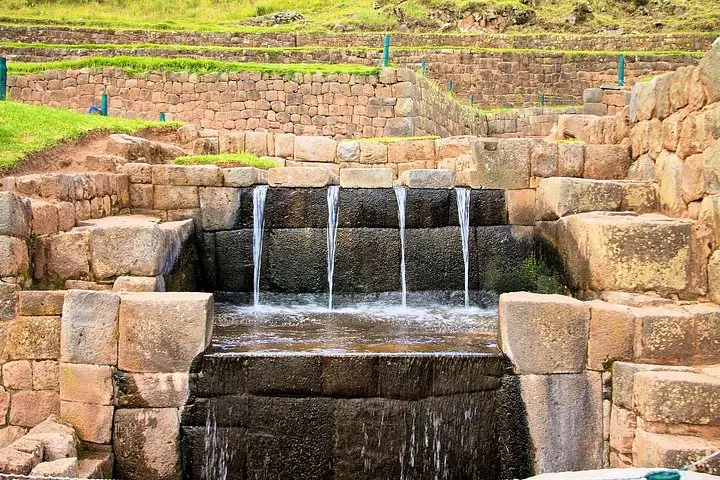
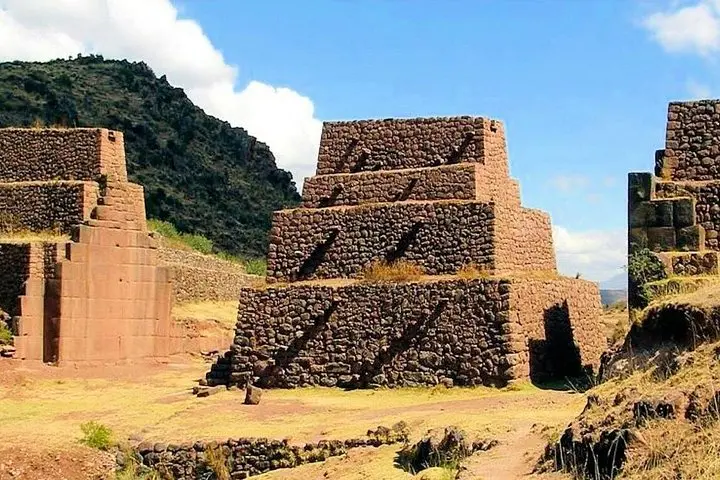
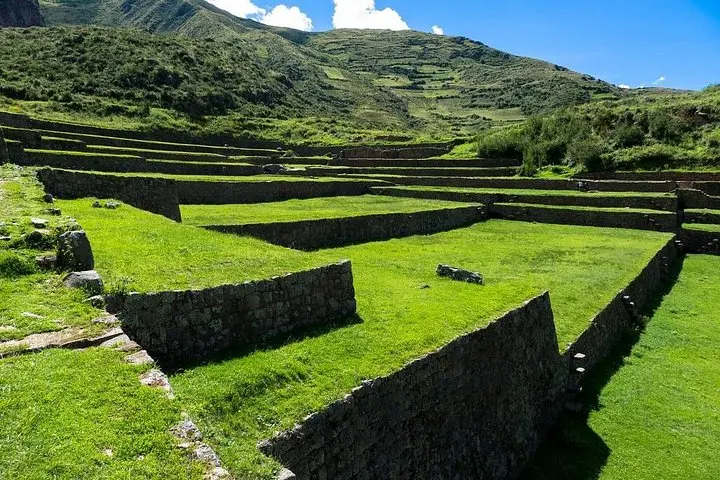
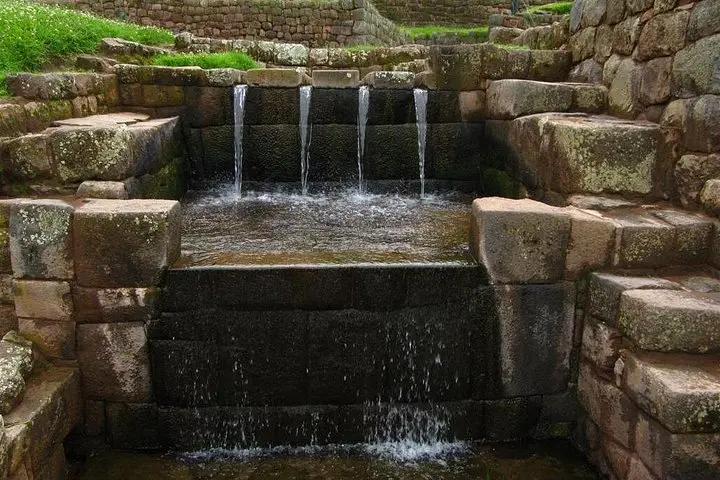
A thin mountain light slices across terraced stone as the van winds south from Cusco, dropping into a patchwork of irrigated fields and adobe hamlets. The day begins with Tipón’s precise channels whispering water engineering that still moves like clockwork; later, the low, grid-like walls of Pikillacta open out—an expansive pre-Inca settlement that feels more civic plan than temple. In between, the church of San Pedro de Andahuaylillas greets visitors with gilded frescoes and a painted ceiling that earned it the nickname “the Sistine Chapel of the Americas.”
A thin mountain light slices across terraced stone as the van winds south from Cusco, dropping into a patchwork of irrigated fields and adobe hamlets. The day begins with Tipón’s precise channels whispering water engineering that still moves like clockwork; later, the low, grid-like walls of Pikillacta open out—an expansive pre-Inca settlement that feels more civic plan than temple. In between, the church of San Pedro de Andahuaylillas greets visitors with gilded frescoes and a painted ceiling that earned it the nickname “the Sistine Chapel of the Americas.”
This route threads Inca hydraulic mastery, Wari urban planning (occupied c. 550–1100 AD), and colonial evangelism into a compact cultural corridor in the South Valley of Cusco. Geologically the area sits on Andean foothills and volcanic-derived soils, creating fertile terraces and views across high puna grasslands. Local communities still farm many of the terraces and maintain water channels that echo ancient practices.
Practical guidance: the full loop runs about a 7-hour day with short, uneven walking at each site; expect high-elevation air (3,200–3,600 m) and intermittent sun and wind. Guides typically include admissions and hotel transfers; bring water, sunscreen, and layered clothing for sudden shifts in temperature. Cameras and respect for fragile stonework are essential—stay on marked paths and follow your guide’s instructions to protect fragile archaeology. This is a low-impact cultural day trip that rewards curiosity, steady pacing, and basic altitude preparation.