THE ADVENTURE COLLECTIVE® · Independent discovery and booking for outdoor travel

Drive into Wazuka’s green tea country for terraces that climb the hills and hands-on tasting at farmer-run cafés. This private half-day tour pairs matcha sampling and tea shopping with a cultural stop at Byodoin’s Phoenix Hall.
Drive into Wazuka’s green tea country for terraces that climb the hills and hands-on tasting at farmer-run cafés. This private half-day tour pairs matcha sampling and tea shopping with a cultural stop at Byodoin’s Phoenix Hall.
Mist rises from the rows of clipped tea bushes as the van eases onto a country lane — a colour so relentless it feels purposeful. You step out into terraces where the fields slope like green steps toward the valley and the air smells faintly of steam and sweet leaves. The tour threads through Wazuka’s tea farms, pauses at a farmer-run café for steaming matcha desserts, and folds in a stop at Byodoin’s Phoenix Hall, the Heian-period temple immortalized on Japan’s 10-yen coin.
Verified experiences and guided adventures in the surrounding area.
Operated by WadaF Tours · Wazuka, Kyoto Prefecture
Mist rises from the rows of clipped tea bushes as the van eases onto a country lane — a colour so relentless it feels purposeful. You step out into terraces where the fields slope like green steps toward the valley and the air smells faintly of steam and sweet leaves. The tour threads through Wazuka’s tea farms, pauses at a farmer-run café for steaming matcha desserts, and folds in a stop at Byodoin’s Phoenix Hall, the Heian-period temple immortalized on Japan’s 10-yen coin.
The region’s tea culture grew from medieval temple gardens and samurai patronage; Uji and nearby Wazuka refined cultivation and grinding methods that made matcha into a ceremonial art. The terraces sit on weathered sediment and volcanic soils that drain well and concentrate flavor in the tea leaves. Local farmers still use hand-pruning and seasonal shading to tune umami and astringency.
Expect low-impact rural roads, short walks through planted plots, and a chance to meet producers who sell freshly milled matcha at direct-farm prices. Photography opportunities are everywhere, but etiquette matters: stay on paths, don’t step into rows, and ask before entering private plots.
Practical guide: the full private excursion lasts about 5–6 hours with a mix of vehicle time and short walks; comfortable shoes with good grip are best, and layers are useful — mornings can be cool and fields exposed to wind. Bring a reusable water bottle, a camera with a flexible lens, and cash for small purchases at farm stalls. Morning light is best for photos and cooler conditions for walking; book early in spring or autumn for optimal colour and fewer crowds.
The private tour runs about 5–6 hours and includes transportation in a comfortable vehicle, visits to tea fields, a farmer-run café tasting, and cultural stops such as Byodoin; some admissions may not be included.
Yes — local farmers often sell fresh matcha and sencha at lower prices than the city; small packets make good souvenirs but bring cash for some stalls.
The itinerary is classified as physically easy with short walks and some stairs; infants and small children can join, but participants with limited mobility should check specific pickup and drop-off options in advance.
Drone use is generally restricted over private farmland and temple grounds; always ask for explicit permission from landowners and respect local regulations.
WadaF Tours operates guided outdoor trips and adventures with an emphasis on safety, stewardship, and memorable experiences.
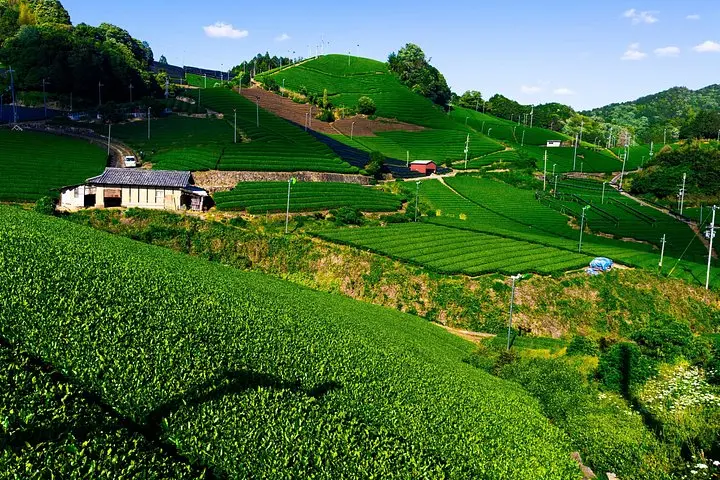
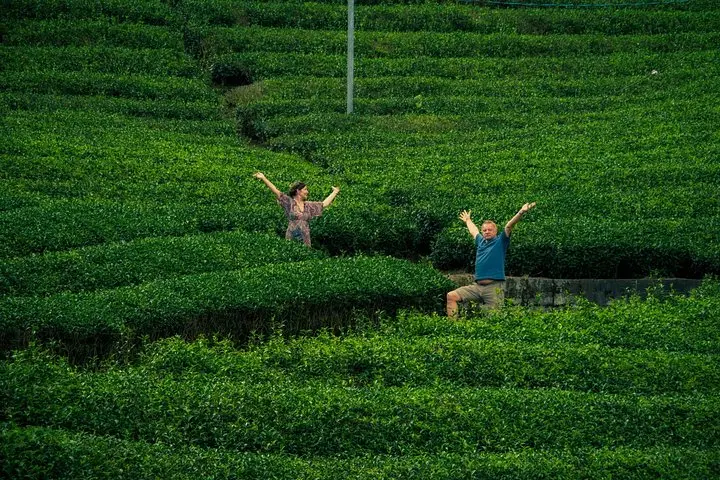
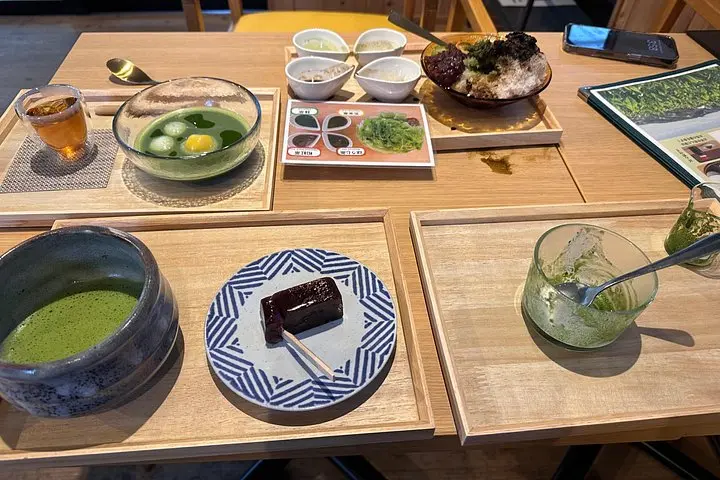

Mist rises from the rows of clipped tea bushes as the van eases onto a country lane — a colour so relentless it feels purposeful. You step out into terraces where the fields slope like green steps toward the valley and the air smells faintly of steam and sweet leaves. The tour threads through Wazuka’s tea farms, pauses at a farmer-run café for steaming matcha desserts, and folds in a stop at Byodoin’s Phoenix Hall, the Heian-period temple immortalized on Japan’s 10-yen coin.
Mist rises from the rows of clipped tea bushes as the van eases onto a country lane — a colour so relentless it feels purposeful. You step out into terraces where the fields slope like green steps toward the valley and the air smells faintly of steam and sweet leaves. The tour threads through Wazuka’s tea farms, pauses at a farmer-run café for steaming matcha desserts, and folds in a stop at Byodoin’s Phoenix Hall, the Heian-period temple immortalized on Japan’s 10-yen coin.
The region’s tea culture grew from medieval temple gardens and samurai patronage; Uji and nearby Wazuka refined cultivation and grinding methods that made matcha into a ceremonial art. The terraces sit on weathered sediment and volcanic soils that drain well and concentrate flavor in the tea leaves. Local farmers still use hand-pruning and seasonal shading to tune umami and astringency.
Expect low-impact rural roads, short walks through planted plots, and a chance to meet producers who sell freshly milled matcha at direct-farm prices. Photography opportunities are everywhere, but etiquette matters: stay on paths, don’t step into rows, and ask before entering private plots.
Practical guide: the full private excursion lasts about 5–6 hours with a mix of vehicle time and short walks; comfortable shoes with good grip are best, and layers are useful — mornings can be cool and fields exposed to wind. Bring a reusable water bottle, a camera with a flexible lens, and cash for small purchases at farm stalls. Morning light is best for photos and cooler conditions for walking; book early in spring or autumn for optimal colour and fewer crowds.