THE ADVENTURE COLLECTIVE® · Independent discovery and booking for outdoor travel

Skip the crowds and let an electric golf cart ferry you between Rome’s quieter treasures—from subterranean catacombs to nearly intact temples and sleepy piazzas. Small groups and a local guide make this 2–3 hour loop a compact, revealing introduction to the Eternal City.
Skip the crowds and let an electric golf cart ferry you between Rome’s quieter treasures—from subterranean catacombs to nearly intact temples and sleepy piazzas. Small groups and a local guide make this 2–3 hour loop a compact, revealing introduction to the Eternal City.
You slide away from a busy piazza and the cobblestones hush under soft electric wheels—Rome’s noise recedes while ancient stones and olive trees reassert themselves. The golf cart threads narrow lanes, parks by a basilica portico where pigeons watch like neighborhood elders, and then hums toward the darker cut of the Appian Way where the catacombs open like a waiting secret.
Verified experiences and guided adventures in the surrounding area.
Operated by Rome guided tours · Rome, Lazio
You slide away from a busy piazza and the cobblestones hush under soft electric wheels—Rome’s noise recedes while ancient stones and olive trees reassert themselves. The golf cart threads narrow lanes, parks by a basilica portico where pigeons watch like neighborhood elders, and then hums toward the darker cut of the Appian Way where the catacombs open like a waiting secret.
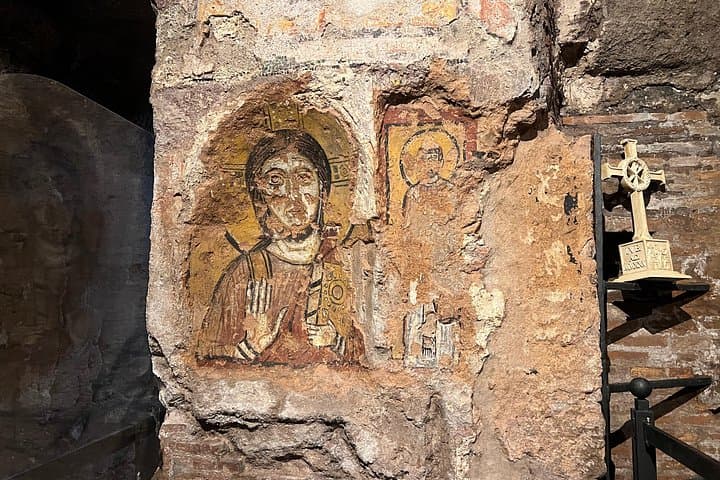
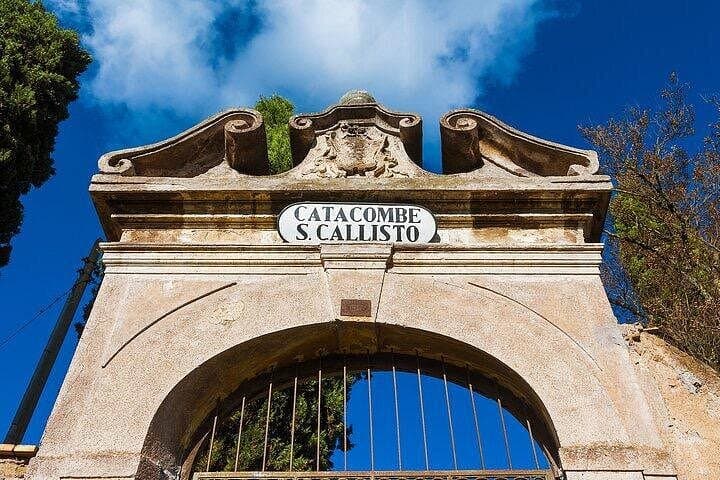
This small-group route pairs late‑Republic and imperial-era ruins with quieter Baroque squares and early-Christian burial sites. The Catacombs of St. Callixtus (or a nearby catacomb, if closures occur) reveal subterranean galleries hewn in tufo and travertine—geology shaped by volcanic tuff and centuries of reuse. Above ground, the Circus Maximus’ long green spine and the compact, well-preserved Pantheon contrast Roman engineering with civic life; Piazza Navona and Teatro di Marcello showcase Renaissance and Augustan layers of culture.
Expect local color: guides point out hidden churches, family-run trattorie, and the odd Roman custom observed at a fountain. Practicalities matter: the tour is 2–3 hours with modest walking at each stop—steps, uneven paths in catacombs, and short transfers between sites (typically a few kilometers). Bring ID for site entries; wear comfortable, grippy shoes and a light layer for underground coolness. Morning departures avoid midday heat and long queues; small groups (max seven) let you time photos and ask questions without battling the crowds.
This is urban exploration with a practical edge—fast enough to see varied chapters of Rome, slow enough to listen to its stones.
Admission to the primary catacomb listed is typically included, but operators may substitute another catacomb if closures occur; guides will confirm on arrival.
This tour is not suitable for babies/young children due to underground passages and limited seating; infants must sit on an adult’s lap when required.
Some stops involve stairs and uneven paths; contact the operator ahead to confirm accessibility options and possible route adjustments.
Bring a photo ID or passport for site entry, and expect occasional bag checks or security lines at major attractions.
Rome guided tours operates guided outdoor trips and adventures with an emphasis on safety, stewardship, and memorable experiences.
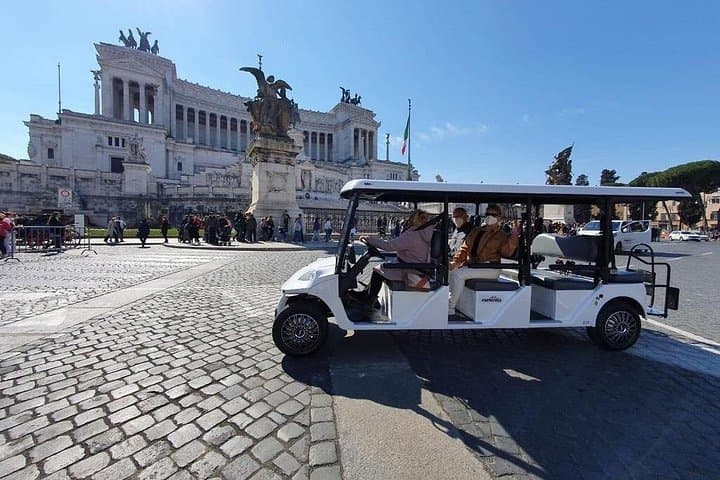

You slide away from a busy piazza and the cobblestones hush under soft electric wheels—Rome’s noise recedes while ancient stones and olive trees reassert themselves. The golf cart threads narrow lanes, parks by a basilica portico where pigeons watch like neighborhood elders, and then hums toward the darker cut of the Appian Way where the catacombs open like a waiting secret.
You slide away from a busy piazza and the cobblestones hush under soft electric wheels—Rome’s noise recedes while ancient stones and olive trees reassert themselves. The golf cart threads narrow lanes, parks by a basilica portico where pigeons watch like neighborhood elders, and then hums toward the darker cut of the Appian Way where the catacombs open like a waiting secret.
This small-group route pairs late‑Republic and imperial-era ruins with quieter Baroque squares and early-Christian burial sites. The Catacombs of St. Callixtus (or a nearby catacomb, if closures occur) reveal subterranean galleries hewn in tufo and travertine—geology shaped by volcanic tuff and centuries of reuse. Above ground, the Circus Maximus’ long green spine and the compact, well-preserved Pantheon contrast Roman engineering with civic life; Piazza Navona and Teatro di Marcello showcase Renaissance and Augustan layers of culture.
Expect local color: guides point out hidden churches, family-run trattorie, and the odd Roman custom observed at a fountain. Practicalities matter: the tour is 2–3 hours with modest walking at each stop—steps, uneven paths in catacombs, and short transfers between sites (typically a few kilometers). Bring ID for site entries; wear comfortable, grippy shoes and a light layer for underground coolness. Morning departures avoid midday heat and long queues; small groups (max seven) let you time photos and ask questions without battling the crowds.
This is urban exploration with a practical edge—fast enough to see varied chapters of Rome, slow enough to listen to its stones.